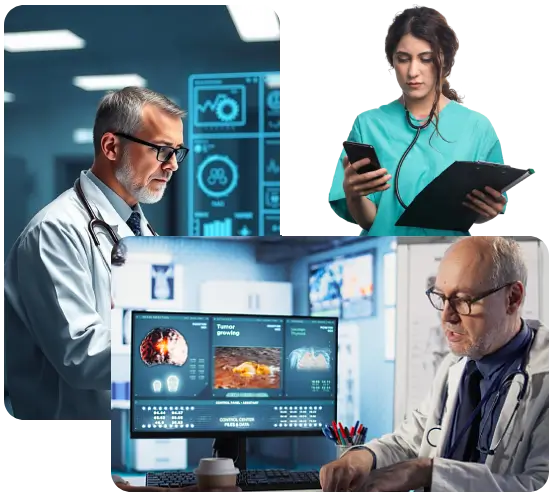
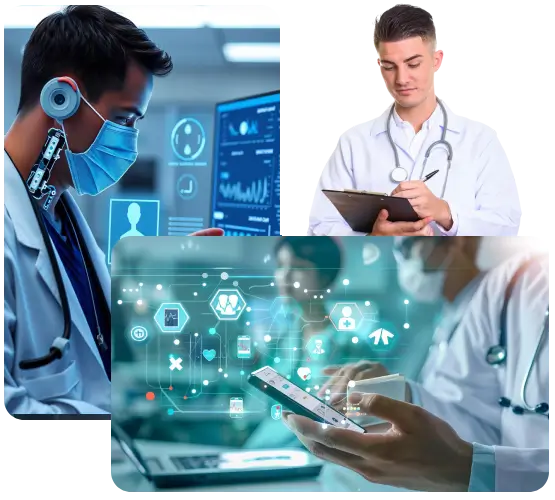
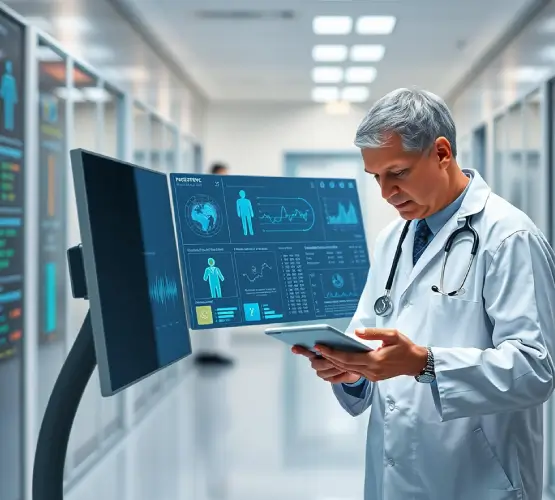
Explore how the Internet of Things healthcare market is changing patient monitoring and operations through increasing adoption and technologies.
01
The global healthcare IoT market is estimated to exceed $170 billion by 2030 from $93.28 billion in 2025.
02
The healthcare IoT market will increase at a CAGR of 13.3% between 2024 and 2031 due to increasing need for connected care solutions.
03
The medical sensors market is forecasted to surpass beyond $3.6 billion by 2029 growing at an 8.1% CAGR.AI, predictive healthcare, remote monitoring, and smart hospitals are among the key trends shaping IoMT growth.
04
The use of AI, predictive healthcare, remote monitoring, and smart hospitals are some of the major trends that drive the development of IoMT.
05
The adoption of intelligent device-based drug delivery systems is expected to increase 3X by 2027 because of rising demands for home care.
06
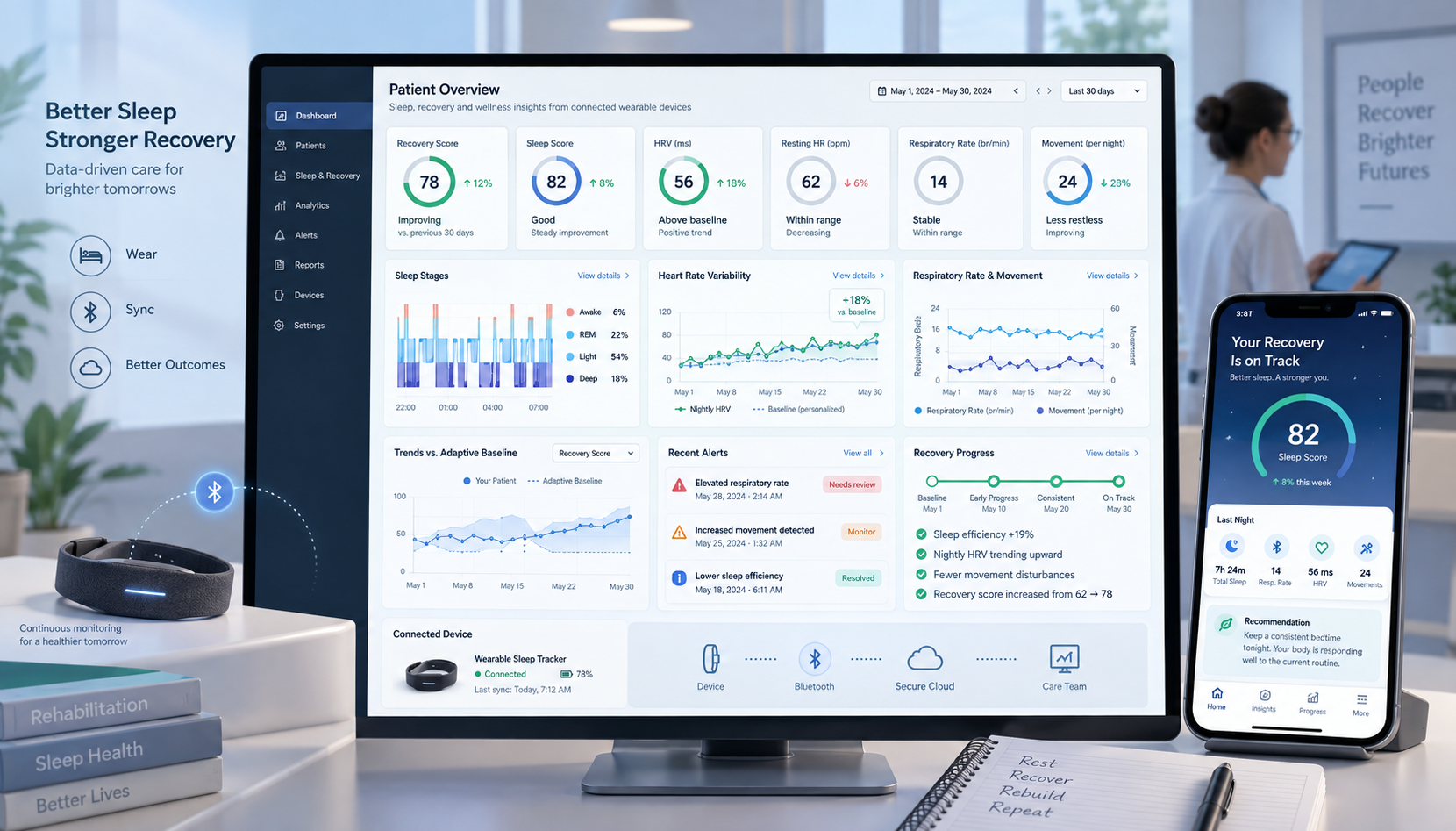
The worldwide market for sleep tracking devices is predicted to have a revenue of $58.2 billion by 2030, rising at a CAGR of 11.9% from 2024 to 2030.
IoT enabled healthcare devices help manage chronic diseases via constant monitoring of patient health parameters and provision of precise insights to clinicians for individualized treatment planning.
Medical IoT helps hospitals create connected environments by integrating devices and healthcare systems that help enhance patient safety, efficiency, and resource utilization.
The Internet of Things in healthcare extends care beyond clinical settings by connecting patients and medical devices for constant monitoring and timely intervention.
Healthcare IoT applications can help with diagnosis and treatment compliance by incorporating medical devices with platforms to analyze patient data and manage medication schedules.
IoT in healthcare industry helps connect robotic platforms and clinical data systems in surgical environments to improve precision and support advanced surgical procedures.
IoT technology-enabled medication systems aim at ensuring better adherence to medication regimens, monitoring of medication consumption, and improved pharmaceutical management.
Deliver better patient outcomes with our healthcare IoT services, from connected medical devices and remote monitoring to secure healthcare software development and data analytics.
A successful IoT initiative begins with making a suitable strategy. At Suffescom, we evaluate clinical workflows and interoperability needs to create an implementation roadmap that completely aligns with operational goals and budget.
Connected medical devices need to operate reliably in care environments. Our medical IoT development services cover software development for wearables and different monitoring devices. Every implementation is designed to guarantee secure communication.
We develop healthcare IoT software that allows device management and instant health data processing. Our IoT healthcare solutions help organizations simplify workflows and also maintain access to important patient information.
Medical devices usually exist in isolated environments. Our IoT developers connect them to required platforms and software like EHR platforms or laboratory systems, so clinicians can get accurate patient information without switching between multiple systems.
Continuous device data becomes very important only when it supports clinical decisions. We develop data analytics platforms that transform raw information into insights that help find risks earlier and improve planning in all healthcare facilities.
At Suffescom, we implement secure authentication, encrypted communication and regulatory safeguards that protect sensitive health information and also support compliance with standards like HIPAA and IEC 62304.
The architecture of an IoT in healthcare ecosystem shows a connected network of hardware devices and software platforms that collect patient health data and environmental conditions. The collected data moves through different layers for transmission and clinical decision making. A healthcare IoT architecture consists of three primary layers:
The perception layer includes IoT-enabled devices that collect instant health and environmental data from patients, healthcare facilities and medical equipment. These devices use sensors and identification technologies to capture information like vital signs and device status. IoT devices can be equipped with data analytics functionality to analyze the acquired data before sharing it.
Components include:
The network layer allows complete communication between IoT devices and healthcare platforms by transferring collected data through wired and wireless connectivity technologies like Zigbee and BLE. It guarantees secure and reliable transmission of medical information for further processing and analysis.
Components include:
The application layer manages healthcare data with software platforms that store and present information to healthcare experts. It enables integration with existing systems. For more precise analysis and enhanced diagnostics, IoT devices can be augmented with AI and deep learning.
Components include:
Business Requirement: Wilson Health required connected healthcare capabilities to improve patient monitoring and allow better access to healthcare data through IoT-enabled systems.
Solution: We integrated IoT healthcare technologies with the current healthcare platform to allow secure data exchange between medical devices and digital systems. The integration supported instant health data collection and improved care coordination.
Outcomes:
35% faster access to patient health data.
30% improvement in remote monitoring efficiency.
25% reduction in manual data collection tasks.
Business Requirement: Samaritan Health Services needed connected healthcare capabilities to improve patient monitoring and allow smooth data exchange. The main goal was to utilize IoT technology for better care coordination and insights.
Solution: We incorporated IoT-enabled integrations to connect medical devices and healthcare platforms. The integration allowed secure collection and exchange of health data, which supports remote monitoring workflows and better healthcare management.
Outcomes:
40% faster patient data accessibility.
35% improvement in care coordination efficiency.
30% reduction in manual monitoring efforts.
With the rising use of Internet of Medical Things (IoMT), healthcare providers use IoT platforms that will be used in developing ecosystems for remote patient monitoring, healthcare device connectivity, smart hospitals, and healthcare analytics. IoT platforms support device connectivity and interoperability with healthcare systems.
The AWS platform provides IoT services in developing secure, scalable, and AI-driven healthcare ecosystems. AWS is used in connected medical devices and clinical analytics.
Azure IoT allows healthcare providers to develop connected healthcare applications with secure data exchange and AI-powered analytics.
Google Cloud provides healthcare organizations with cloud infrastructure, AI tools, and analytics capabilities for IoT-enabled healthcare solutions.
Cumulocity IoT provides the healthcare organization with the means to connect, monitor, and manage devices using a platform designed for the Internet of Things.
Siemens Healthineers provides digital healthcare solutions focused on connected medical devices, clinical workflows, and smart hospital operations.
IBM Watson IoT utilizes IoT connectivity along with artificial intelligence for analysis to enhance healthcare operations and connected device management.
Oracle IoT Cloud assists healthcare institutions in connecting devices, asset management, and real-time healthcare data analysis.

The main devices used in IoT healthcare solutions are:
These devices are used in a healthcare facility, and they include:
These are medical devices that can be used outside a medical facility:
These on-body devices are those that are worn by patients most of the time.
Implantable devices are IoT-enabled medical devices that are placed inside the body to monitor health conditions.
Our healthcare IoT development process focuses on building secure and interoperable ecosystems that connect medical devices and clinical workflows.
We evaluate your healthcare workflows and connected device requirements. The assessment helps us identify IoT use cases and create a roadmap aligned with clinical and business objectives.
Our architects design the complete IoT ecosystem. It includes device connectivity, communication protocols and healthcare software architecture. Security and fault tolerance are considered from the initial design stage.
Our engineers then develop IoT healthcare software for device management and clinical dashboards. AI and machine learning models can be incorporated to support predictive monitoring and anomaly detection.
Before deployment, each and every component undergoes complete testing and validation. We incorporate encrypted communication, authentication, access control protocols and HIPAA aligned security practices to safeguard healthcare data.
The healthcare IoT platform is then deployed in clinical environments with constant monitoring of connected devices and system performance. Regular firmware updates and 24/7 technical support guarantee long term reliability.
The cost of healthcare IoT development typically ranges from $20,000 to $150,000+, depending on connected devices, software complexity, integrations, and compliance requirements.
IoT in healthcare connects medical devices and clinical systems to improve the complete healthcare delivery approach. These IoT healthcare software solutions help providers make informed decisions and deliver reliable patient care.

Healthcare IoT devices collect instant information like patients’ current activity levels and treatment responses. Clinicians can track patient conditions outside traditional care settings and intervene when health risks appear.
Connected devices provide healthcare professionals with reliable patient insights that support diagnosis and treatment planning. Access to historical and real time health data aids doctors in creating the best care strategies.
IoT enabled monitoring systems find changes in patient health patterns before any complications develop. Automated alerts allow care teams to respond fastly for patients with chronic diseases and long term health conditions.
Remote monitoring decreases unnecessary hospital visits and helps healthcare organizations manage resources efficiently. The Internet of Things in the healthcare industry helps in making automated workflows that also decrease dependency on manual processes.
Connected healthcare systems automate data collection from iot devices in healthcare and decrease recurring documentation tasks. Healthcare experts can spend more time on patient care rather than administrative activities.
IoT platforms track medical equipment location and performance in different healthcare facilities. With medical IoT development, hospitals can improve the availability of assets and prevent unexpected equipment failures.
Smart healthcare devices support medication tracking and adherence management. These capabilities help decrease any errors related to medication and maintain proper conditions for temperature sensitive drugs.
IoT-generated health data allows researchers to study diverse disease patterns and evaluate treatment outcomes. Real-world patient information supports the development of improved healthcare methods and clinical studies.
Healthcare IoT adoption requires precise planning to overcome challenges. By incorporating the best strategies, healthcare organizations can guarantee reliable device connectivity.
Healthcare IoT solutions include devices using different networks and communication ways, which can impact data exchange. Use connectivity technologies like Bluetooth Low Energy and IoT gateways, and incorporate device management platforms to maintain connections.
Connected healthcare devices generate high volumes of data that require reliable storage and processing. Use cloud based IoT platforms and edge computing to handle increasing device connections and healthcare data workloads.
Healthcare IoT solutions use various communication protocols, which makes data exchange and interoperability difficult. Adopt standardized communication protocols like MQTT and CoAP and integrate healthcare data standards to allow connectivity between devices and applications.
Healthcare IoT devices gather patient information, which creates privacy and regulatory concerns. Apply data encryption, secure authentication and also comply with regulations like HIPAA to safeguard patient data in the IoT ecosystem.
Handling vast numbers of connected medical devices can be really difficult due to software updates and hardware failures. Use remote device monitoring and automated firmware updates to improve device reliability.
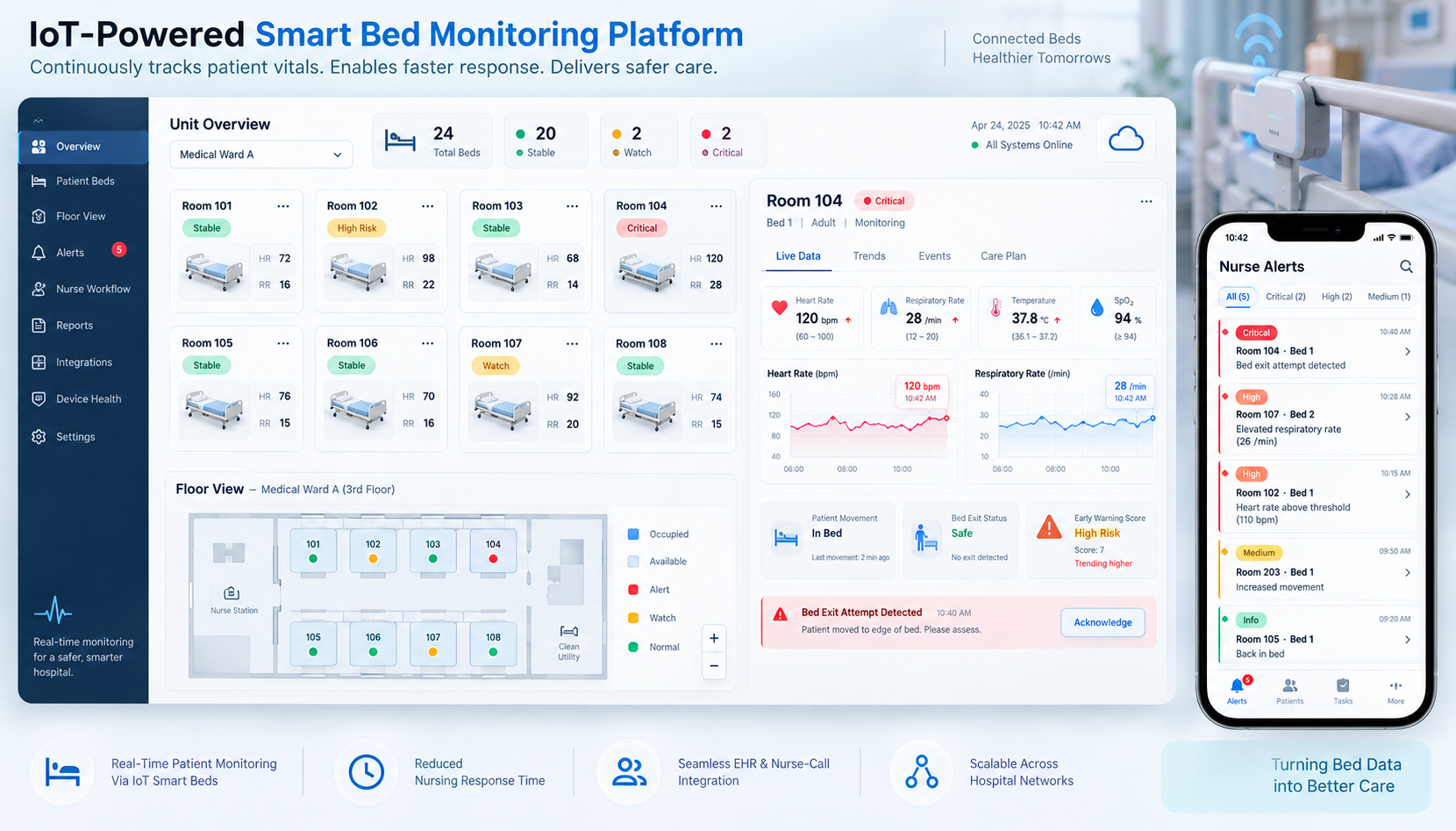
IoT in healthcare connects medical devices, sensors, and software to collect and share real-time health data for better patient care and operational efficiency.
IoT healthcare solutions support remote patient monitoring, smart medical devices, medication management, hospital asset tracking, and connected care.
The benefits of Healthcare IoT solutions include:
Popular applications of healthcare IoT software include:
The cost to develop a healthcare IoT solution is between $20,000 to $150,000+. It depends on project complexity, connected devices, integrations, security requirements, and compliance standards.
Healthcare IoT software development usually takes a few months to over a year based on features, testing, integrations, and regulatory requirements.
Medical IoT development uses:
Yes. Custom healthcare IoT software can be tailored for hospitals, clinics, telemedicine, diagnostics, home healthcare, and specialty care.
Yes. Secure healthcare IoT systems use encryption, authentication, access controls, regular updates, and compliance-based security practices.
Common challenges that arise during healthcare IoT implementation include:
Yes. IoT solutions integrate with EHR, EMR, laboratory systems, hospital management software, and cloud platforms through secure APIs.
They follow healthcare standards such as HIPAA, GDPR, FDA guidelines, secure data handling practices, and audit-ready documentation.
IoT improves patient care, streamlines operations, reduces manual tasks, and supports data-driven healthcare delivery.
Medical IoT benefits different sectors, which include:
IoT enables continuous monitoring, faster diagnoses, personalized treatment, fewer hospital visits, and better communication with healthcare providers.
The trends shaping the future of healthcare IoT are:
• SUFFESCOM SOLUTIONS
Build Smarter. Scale Faster. Grow More.
Have a Vision? Let’s Turn It Into a Digital Reality.
Get a quick response from our best experts in under 10 minutes.
Share Your Requirements. Our Experts Will Shape the Solution.
• SUFFESCOM SOLUTIONS
Build Smarter. Scale Faster. Grow More.
Have a Vision? Let’s Turn It Into a Digital Reality.
Get a quick response from our best experts in under 10 minutes.
Share Your Requirements. Our Experts Will Shape the Solution.
Fret Not! We have Something to Offer.