Software Product Engineering Services

As products scale, so do workloads, integrations, and architectural complexity. Suffescom, a premier software product engineering company, brings 13+ years of application engineering expertise to help businesses address evolving product and technology needs. We engineer software products that perform reliably today while remaining flexible enough to adapt as business goals, user demands, and technical requirements change.

Software Product Engineering Services
Caterpillar Chevron Patagonia Levi’s Subaru Yum! Brands Rivian Duke Energy Taco Bell Johnson & Johnson Harley-Davidson

Your Software Product Engineering Partner for Long-Term Growth

Software product engineering involves much more than just feature creation. It involves the need to align product, architecture, engineering, infrastructure, and operations such that the product performs well as users, data, transactions, and business needs increase.

Suffescom takes products from discovery and technical definition to architecture, engineering, cloud engineering, integration, security, quality, and continuous improvement. We engineer each layer around the product’s workload, release goals, integration landscape, and long-term growth.

Our teams work across frontend and backend engineering, mobile applications , APIs, data platforms, AI systems, cloud infrastructure, DevOps/DevSecOps, and quality engineering to create products that are easier to release, operate, scale, and evolve.

150+ startups built end-to-end
95+ countries served globally
250+ engineering technology experts
100+ emerging technology projects
Who We Build For

Who We Build For

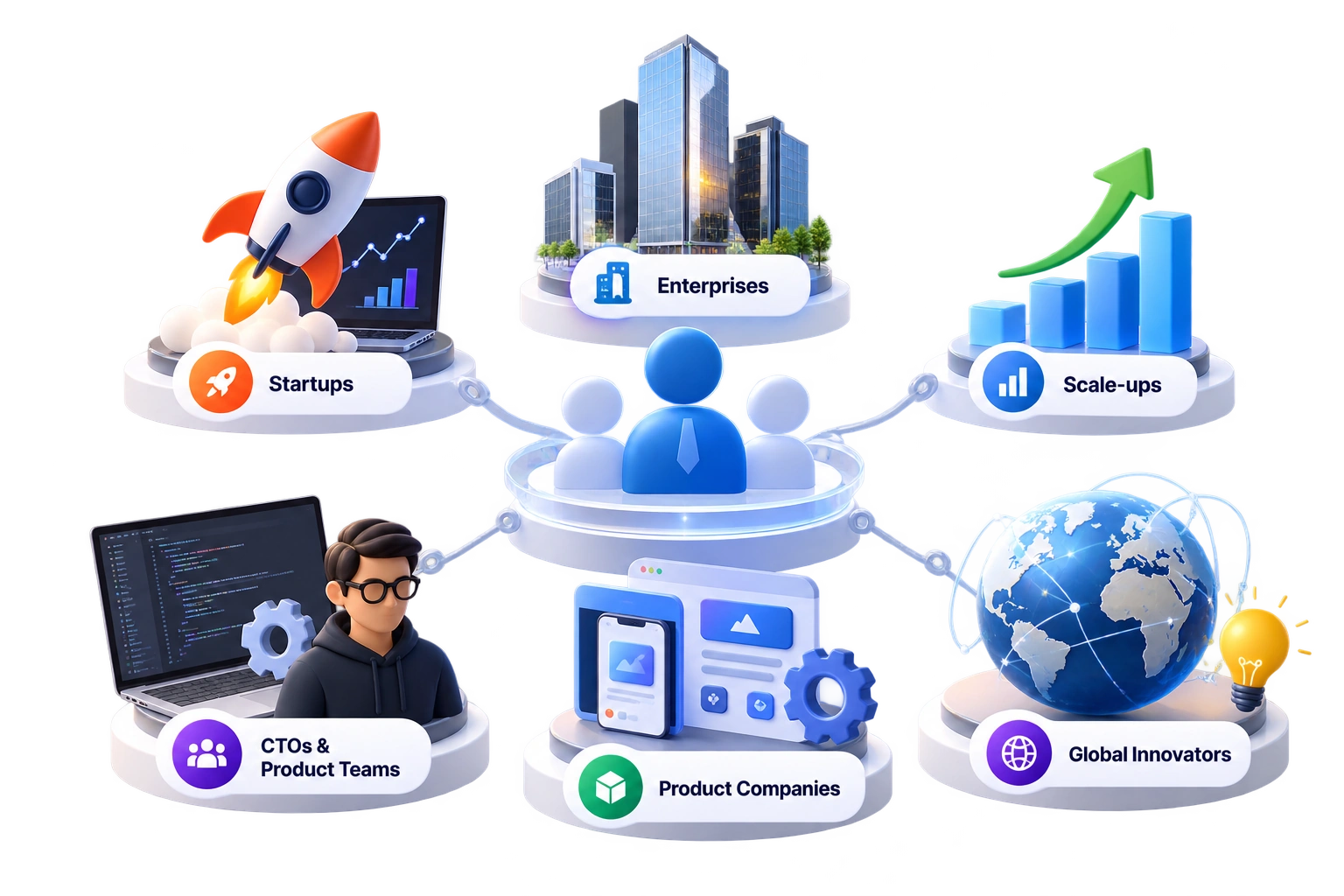
We help companies build, modernize, and scale software products without letting technology slow growth.

  • Startups
  • Scale-ups
  • Enterprises
  • CTOs & Product Teams
  • Product Companies
  • AI Businesses

Our End-to-End Software Product Engineering Services

Our software product engineering services encompass the entire technical lifecycle, from strategy and architecture to engineering and optimization. We integrate product thinking with architecture decisions based on workload, risk, user needs, integration complexity, and long-term economics to create scalable and competitive products.

01

Product Strategy & Engineering Consulting

Address technical and product uncertainties before committing substantial development efforts. Our approach is to analyze feasibility, establish MVP scope, set capability priorities, consider building vs buying decisions, assess technical risks, and transform business objectives into an actionable engineering roadmap.

02

Product Architecture and Design

Architect the product ground in accordance with how the system really works rather than according to any predefined technological stack. We architect boundaries of the system, domain models, APIs, data flows, UX architecture, and architecture considerations based on workload, scalability, security, maintainability, and cost factors.

03

Product Development & Engineering

Transform validated product requirements into production-quality software via progressive engineering. We engineer web, mobile, SaaS, and enterprise applications via modular architecture, testable services, strong APIs, automation, and delivery strategies that facilitate continuous product innovation.

04

Cloud and Platform Engineering

Design the technical architecture needed for reliable product operations in dev and production environments. We build the cloud architecture, deployment platforms, containerization, CI/CD, observability, autoscaling, and infrastructure automation based on availability, performance, security, and cost considerations.

05

Data, AI & Integration Engineering

Transform products into systems that can interact, learn, and act amidst fragmented data and system landscapes. We engineer APIs, event-driven systems, data pipelines, AI/ML capabilities, RAG capabilities, intelligent automation, and enterprise integration while dealing with data consistency, latency, security, and complexity.

06

Quality, Security & Performance Engineering

Integrate quality into engineering decisions rather than using testing as the last step in development. We evaluate application behavior for anticipated load conditions, automate functional and API testing, verify security controls, diagnose performance issues, and institute engineering quality gates to minimize production risks.

07

Modernization & Transformation

Revitalize outdated products without disrupting business processes that rely on them. We measure technical debt and legacy dependencies, determine which need to be replaced or kept, modernize the architecture iteratively, migrate applications, and implement modern engineering practices without risking a risky rewrite.

08

Product Sustenance & Continuous Engineering

Engage in engineering activities beyond the product launch due to changing usage, evolving business needs, and advancements in technology. We optimize current systems, decrease technical debt, upgrade platforms, increase reliability, add new features, and advance product architecture to its next evolution.

Software Products We Engineered for Real-World Businesses

Our software product engineering services help optimize complicated processes and develop scalable digital products in industries such as B2B SaaS, fintech, healthcare, and logistics by leveraging architecture, engineering, cloud, and data optimization to achieve business objectives.

Get Your Product Assessed Before You Decide What to Build Next

Identify architecture bottlenecks, technical debt, scalability risks, and engineering priorities before investing in the next phase of development.

When Your Software Needs Engineering Expertise

Is your software infrastructure limiting performance, scalability, or product growth?

  • Slow development and release cycles
  • Increasing infrastructure and operating costs
  • Performance issues during peak traffic
  • Complex system and third-party integrations
  • Accumulating technical debt
  • Delays in implementing AI capabilities

Strong software engineering helps address these challenges through robust architecture, optimized infrastructure, reliable integrations, and scalable development practices.

Key Benefits of Software Product Engineering for Your Business

Effective product engineering would yield tangible benefits beyond the initial launch, from quicker releases and decreased operational costs to increased reliability and agility in reacting to the evolving market needs.

G2 logo Design Rush 2025 Clutch 2025 Top App Development Companies
  • Scaling Without Disruptive Refactoring

    Design the product to scale it alongside increasing users, expanding operations, rising data volumes, and heightened load, all while maintaining its architectural integrity without disruption each time demand escalates.

  • Get to Revenue Faster

    Focus on the right features, minimize technical risk, and go through an incremental development process in order to get valuable product functionality into the hands of users sooner with quality.

  • Decrease the Cost of Complexity

    Make deliberate decisions about architecture and infrastructure that will decrease unneeded services, duplication of systems, technical debt, and avoidable cloud and operational costs as the product grows.

  • Deploy More Reliably

    Automation, testing, CI/CD, observability, and engineering quality control practices help our developers team spot problems earlier and ship changes with more confidence and lower production impact.

  • Build for Operational Resilience

    Engineer around real workload conditions, failure scenarios, dependencies, and recovery requirements so critical product functions remain available when systems or components behave unexpectedly.

  • Turn Product Data Into Decisions

    Build the robust data foundations that are essential for capturing, processing, and analyzing product activity, enabling better forecasting, personalization, automation, reporting, and data-driven product decisions.

  • Connect the Systems Behind the Products

    Integrate internal platforms, third-party services, APIs, and data sources through reliable integration patterns that help to reduce fragmented workflows and create a more connected product ecosystem..

  • Modernize Without Losing Momentum

    Replace outdated components incrementally, preserve valuable business logic, and introduce modern architecture and engineering practices without unnecessarily disrupting users or ongoing operations.

AI Capabilities Across the Product Engineering Lifecycle

We apply AI to software products where it could make a difference in decision-making, automation, personalization, or enablement while designing for accuracy, security, performance, and cost-effectiveness.

Our Product Engineering Work Across Industries

We adapt product architecture and engineering practices to the operating realities of each industry, from regulated data and transaction-heavy systems to real-time workflows and connected platforms.

Our Product Engineering Work Across Industries

SaaS & Enterprise Software

Engineer multi-tenant platforms, workflow systems, enterprise integrations, and scalable SaaS products built for growing users, data, and feature complexity.

FinTech & Banking

Build secure fintech systems , lending platforms, financial workflows, and data-intensive applications with strong controls, auditability, and integration requirements.

Healthcare & HealthTech

Engineers connected healthcare solutions, patient platforms, and data workflows with attention to privacy, interoperability, reliability, and sensitive information.

Retail & E-commerce

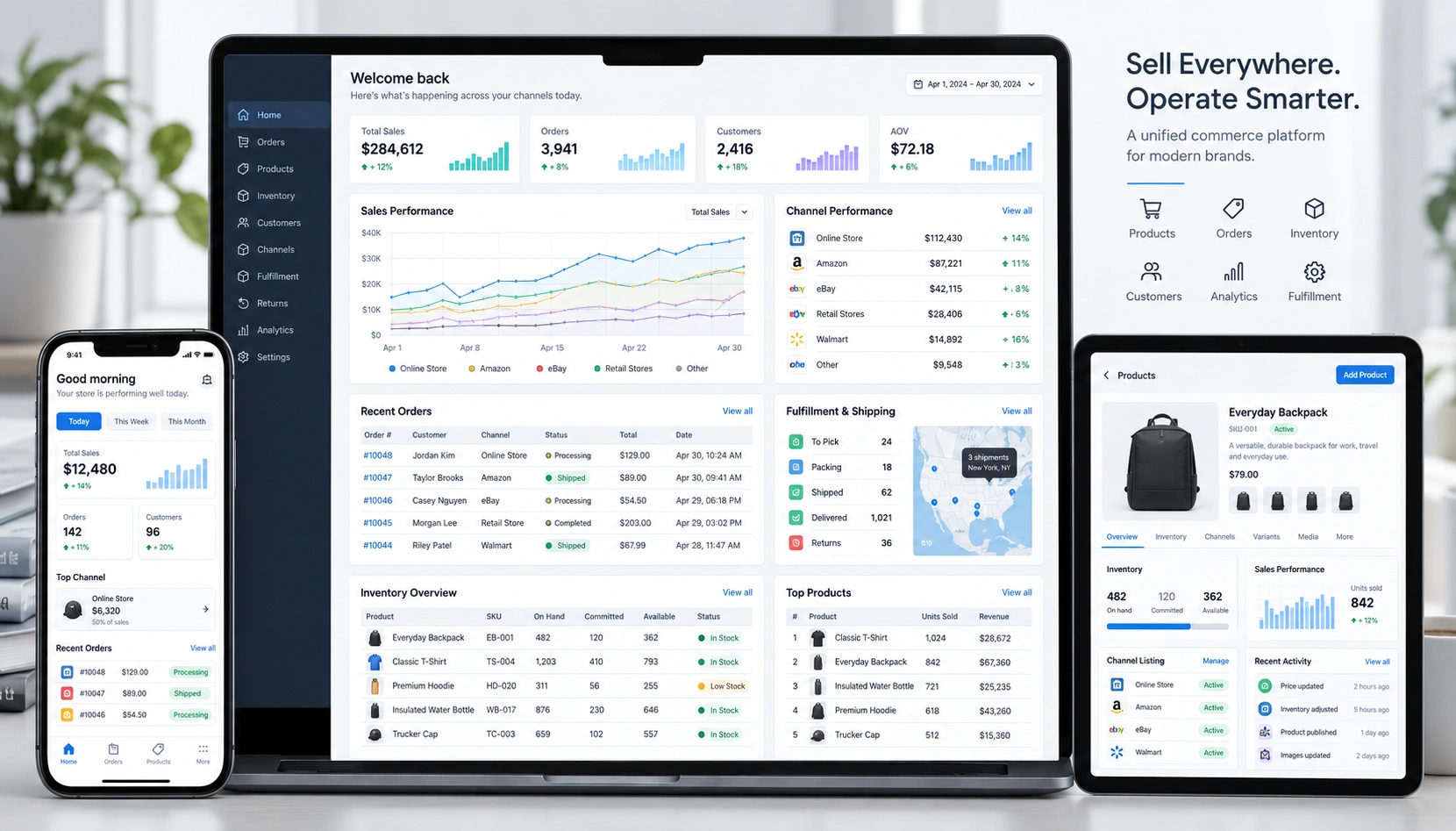
Build e-commerce or retail platforms that connect catalogs, inventory, payments, customer experiences, and multiple sales channels while handling fluctuating demand.

Logistics & Transportation

Design real-time logistics solutions for routing, tracking, dispatching, and workflow operations where frequent data and fast decision-making are important.

Manufacturing & Industrial

Design interconnected systems for operations involving machinery, enterprise applications, manufacturing systems , and workflows to improve visibility and efficiency.

Media & Entertainment

Engineer content platforms, streaming experiences, personalization systems, and high-volume digital services designed around traffic, content, and user engagement patterns.

Automotive

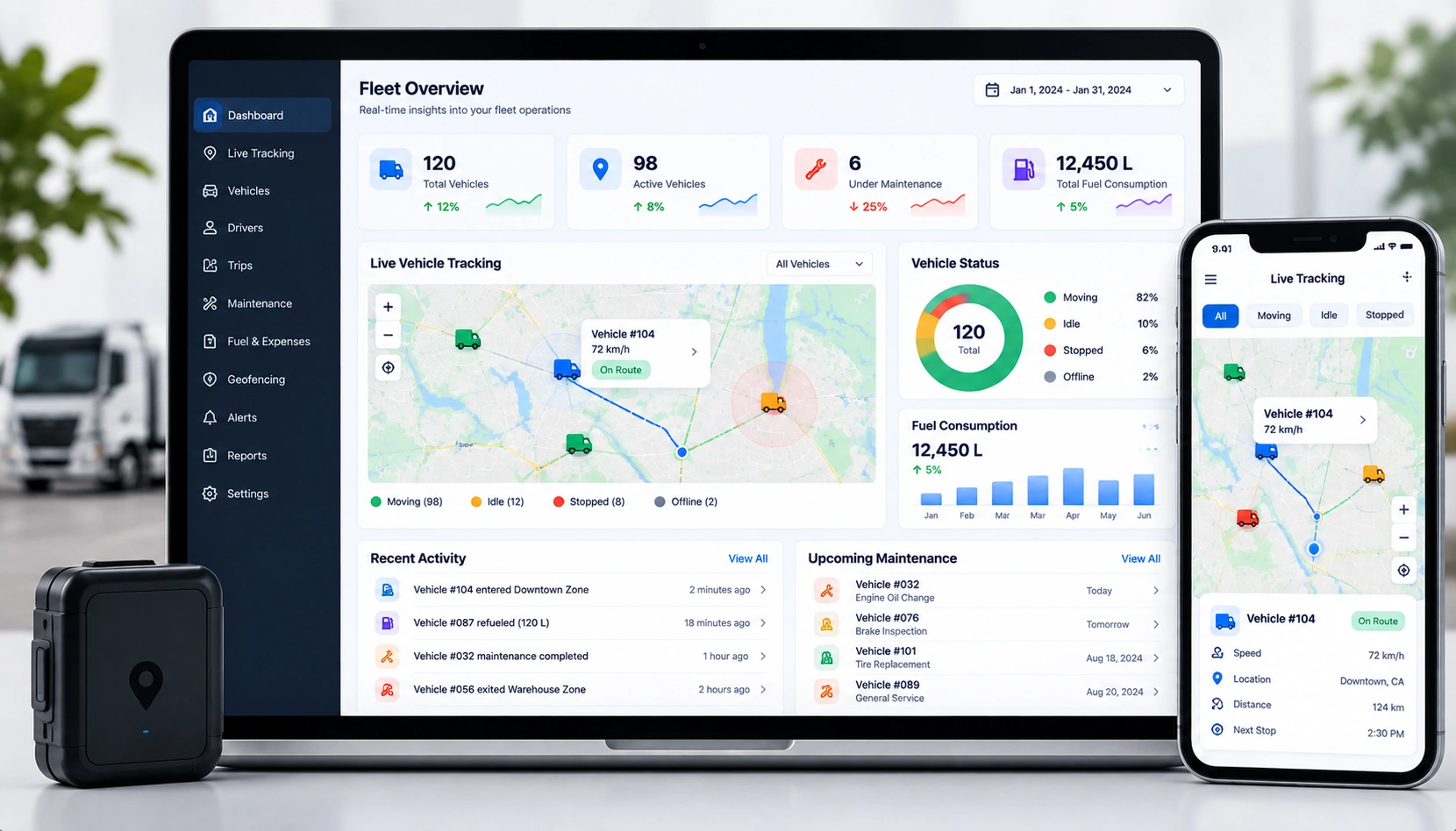
Build connected automotive platforms , fleet management systems, mobility apps, and solutions that support real-time operations, integrations, and evolving vehicle ecosystems.

Agriculture

Develop precision agriculture software solutions that transform operational and field data into workable workflows for supply chain management, farm management, and related applications.

AdTech

Build programmatic adTech platforms , DSPs, SSPs, ad servers, audience intelligence systems, and real-time bidding infrastructure designed for high-volume advertising workloads.

iGaming

iGaming platforms , player management systems, payment workflows, gaming backends, and apps are engineered with scalable architecture, secure transactions, and data handling.

Considering a Rebuild? Let’s Talk Software Product Engineering Trade-Offs

Understand what to rebuild, what to retain, and where modernization makes more sense before committing an engineering budget to the wrong approach.

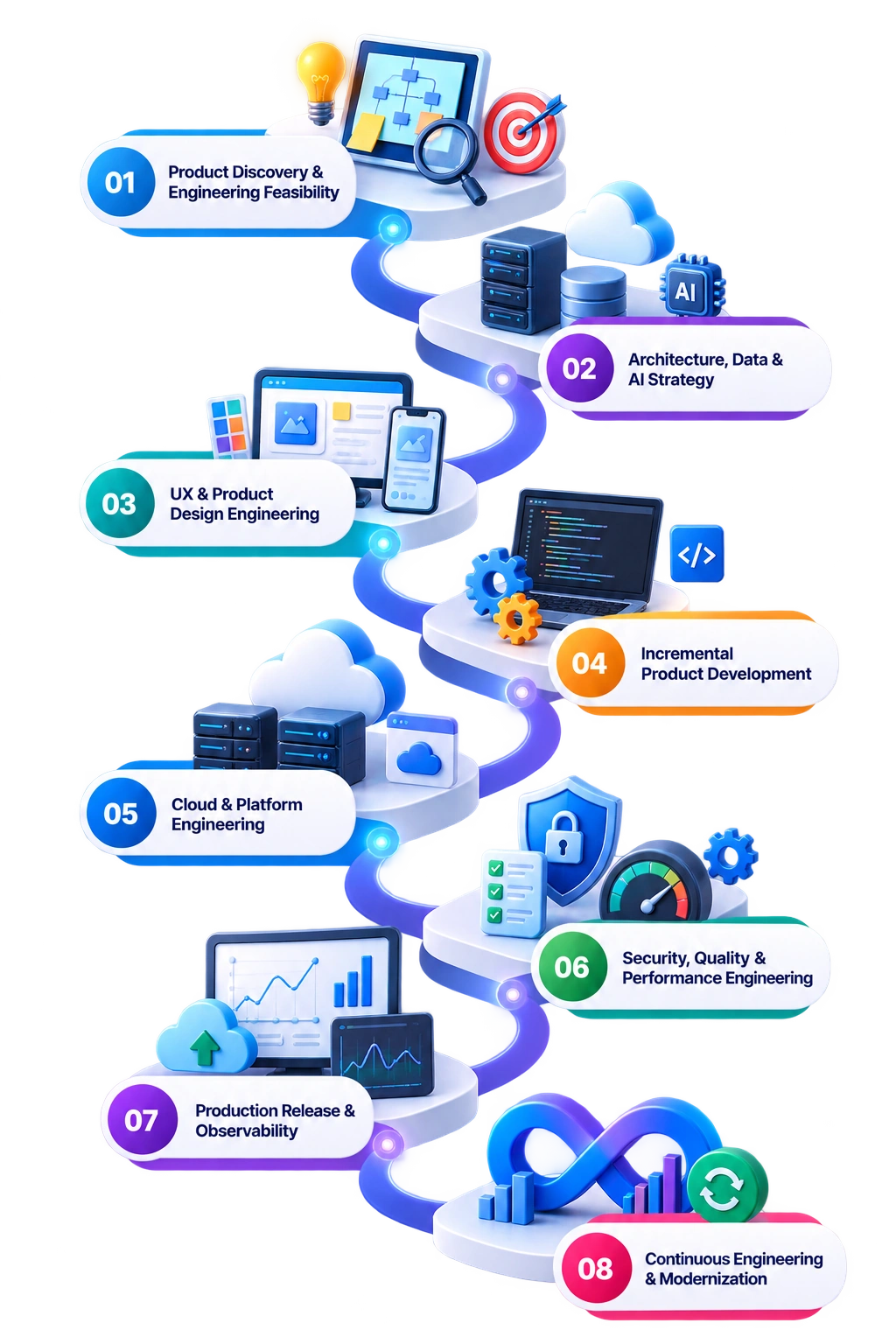
Product Engineering Process Built Around Decisions, Risk, and Scale

We move from product uncertainty to production with an iterative engineering approach. Each phase is used to validate the critical decisions of product scope, architecture, technical risk, performance, security, and operational preparedness prior to scaling up investments.

Step 01

Product Discovery & Engineering Feasibility

Specify the vision for the product, customer needs, MVP scope, technical feasibility, integrations, constraints, and criteria for success. We determine major risks and develop the engineering roadmap before development starts.

Step 02

Architecture, Data & AI Strategy

Convert product specifications into system architecture, data flows, integration strategy, and AI strategy if necessary. We consider the tradeoffs on scalability, security, performance, maintainability, and cost considerations.

Step 03

UX & Product Design Engineering

Turn validated product requirements into practical user experiences and technical specifications. Design decisions are aligned with workflows, platform capabilities, accessibility, and the underlying product architecture.

Step 04

Incremental Product Development

Build and release prioritized capabilities in manageable increments rather than waiting for a large final release. Engineering practices include automated testing, code quality controls, CI/CD, and continuous feedback.

Step 05

Cloud & Platform Engineering

Prepare the infrastructure and deployment environment around actual product workloads. We establish environments, deployment automation, observability, scaling mechanisms, and operational controls needed for production.

Step 06

Security, Quality & Performance Engineering

Validate the product against functional, security, performance, and reliability requirements before and throughout release cycles. Testing and engineering controls are integrated into delivery rather than left until the end.

Step 07

Production Release & Observability

Release through controlled deployment practices and monitor application health, performance, errors, infrastructure behavior, and user-impacting issues. Production data plays a crucial role in informing and shaping engineering decisions.

Step 08

Continuous Engineering & Modernization

Make adjustments to the product based on changes in usage, technology, and business. We consider new functionality, technical debt, performance, platform, and architectural changes depending on product needs.

Process Behind Developing Enterprise-Ready Telemedicine Platforms

What Does Software Product Engineering Cost?

The cost of software product engineering may vary from USD $30,000 to $300,000+ depending on the complexity of the product, architecture, integrations, data and AI, infrastructure, security, and scale.

MVP Product Engineering

USD $30,000 – $100,000

  • Product discovery and technical assessment
  • Core product workflows and user accounts
  • Web or mobile application
  • Backend and database architecture
  • Authentication and role-based access
  • Standard API integrations
  • Basic admin panel and reporting
  • QA, deployment, and launch support
Get a Quote

Growth-Stage Product Engineering

USD $100,000 – $200,000

  • Multi-module product architecture
  • Advanced business workflows
  • Third-party and enterprise integrations
  • Subscription, billing, or marketplace capabilities
  • Cloud infrastructure and CI/CD
  • Automated testing and quality engineering
  • Analytics and data processing
  • Performance and security engineering
  • Production monitoring and optimization
Get a Quote

Enterprise & High-Scale Product Engineering

USD $200,000 – $300,000+

  • Enterprise-grade and distributed architecture
  • Multi-tenant product infrastructure
  • Complex APIs, integrations, and event-driven workflows
  • Advanced data, AI, ML, RAG, or agentic capabilities
  • Cloud, Kubernetes, and Infrastructure as Code
  • High-load and real-time processing
  • Advanced security, compliance, and resilience
  • Performance, observability, and disaster recovery
  • Continuous engineering and modernization
Get a Quote

Security & Compliance We Follow

We align product engineering practices with applicable security, privacy, industry, and regulatory requirements across the product lifecycle.

Security

  • ISO 27001-aligned security controls
  • SOC 2-oriented controls
  • OWASP ASVS
  • NIST CSF
  • Secure SDLC / DevSecOps

Privacy

  • GDPR
  • CCPA/CPRA
  • ISO 27701

Industry / Transaction

  • HIPAA
  • PCI DSS

Resilience

  • ISO 22301
  • Disaster recovery
  • Business continuity

Hear From Our Clients

CLIENT STORY Suffescom logo Client Story
Yuriy Biriukov thumb

“We didn't need another team that just took tickets and wrote code. We needed people who could challenge the architecture, understand where the product was going, and help us make the right calls. Suffescom made a big difference.”

Moonie Lantion
Marcus Bennett CTO, B2B SaaS Companyr

“The first few weeks were honestly more about asking questions than building features. I thought we were moving slowly at first. Then development started, and we realized how much rework we'd avoided. That upfront engineering work really paid off.”

David Colorado
William Harper Founder, FinTech Platform

“Our old platform worked when we were smaller. It just wasn't built for where the business was going. The team didn't push us into a complete rewrite. Suffescom, as our software product engineering company showed us what needed to change first and modernized it piece by piece.”

Reginald Lee
Jonathan Reed VP Engineering, Healthcare Technology Company

“The real test came when traffic started climbing. We had a much bigger load than during development, and the platform held up. The monitoring and alerts were already there too, so we weren't finding problems from customer complaints.””

Reginald Lee
Lucas Wallace Head of Product, SaaS Platform

“What I liked was that Suffescom Solutions understood the business side. We would discuss a feature, and the conversation wasn't only about effort and timelines. They'd ask whether it would actually move adoption or revenue. That's the kind of engineering partner we wanted.”

Reginald Lee
Marry Richardson Co-Founder, Retail Technology Company

The Right Architecture Today Saves You Millions in Rework Tomorrow

Let us review your product architecture before you scale, rebuild, or add another layer of complexity.

Why Businesses Choose Suffescom for Software Product Engineering

As a software product engineering company with 13+ years of application engineering experience, Suffescom engineers software products around real-world workload, architecture, integration, and growth requirements, from initial product decisions through continuous engineering.

Workload-Driven Architecture

Our software product engineering services and solutions start with real-world performance expectations for your product. We prioritize usability, transactions, data, integration, availability, and scalability, avoiding a common architecture.

Product + Engineering Alignment

We synchronize our product vision with our engineering strategy to balance features, risks, timelines, maintainability, and long-term value, ensuring all aspects are integrated into our development process.

Engineering Beyond the First Release

Our product engineering teams support the full lifecycle, from initial development to production optimization, technical debt reduction, new capabilities, platform upgrades, and continuous product evolution.

Modernization Without Unnecessary Rewrites

We conduct a thorough evaluation to determine what elements should be retained, refactored, replaced, or migrated, helping modernize legacy products incrementally while protecting critical business operations.

AI Built for Production

Our software product engineering solutions integrate AI with the data, workflows, and architecture around it while addressing evaluation, security, latency, observability, scalability, and operating cost.

One Partner Across the Product Lifecycle

Unify product engineering consulting, architecture, development, cloud, data, AI, quality, security, and modernization together through one comprehensive engineering partnership as your product evolves.

Software Product Engineering Engagement Models

Hire Suffescom as your dedicated software product engineering services company, based on your product stage, engineering priorities, and level of technical ownership required. Choose focused expertise for a specific challenge or a dedicated team for continuous product engineering.

01

End-to-End Product Engineering

Entrust the product lifecycle to one engineering partner, from discovery and architecture through development, launch, and ongoing evolution. Ideal for businesses building a new product or taking ownership of an existing one.

02

Dedicated Product Engineering Team

Get a team around your product with the necessary expertise in engineering, QA, cloud, data, AI, and DevOps/DevSecOps needed for continuous delivery. Scale team capabilities as product priorities and workloads change.

03

Product Engineering Team Extension

Extend your existing engineering organization with specialized expertise or additional capacity. We integrate with your teams, tools, workflows, and delivery practices while you retain product and engineering ownership.

04

Architecture & Engineering Consulting

Bring senior engineering expertise to high-impact technical decisions and challenges. We support architecture evaluations, technology strategies, scalability, modernization, technical debt management, and engineering challenges.

Awards & Recognition

Our industry awards are a reflection of our commitment to providing software engineering services for new technologies and digital products in complex business environments.

Technology Stack Behind Our Product Engineering

We select technologies based on product requirements, workload, architecture, integration needs, security, and long-term maintainability, not a fixed technology stack.

  • React

    React.js

  • Next.js

    Next.js

  • Angular

    Angular

  • Vue.js

    Vue.js

  • TypeScript

    TypeScript

  • HTML

    HTML

  • CSS

    CSS

  • JavaScript

    JavaScript

  • Node.js

    Node.js

  • Python

    Python

  • Javat

    Java

  • .NET

    .NET

  • Go

    Go

  • PHP

    PHP

  • Spring Boot

    Spring Boot

  • Django

    Django

  • FastAPI

    FastAPI

  • Flutter

    Flutter

  • React Native

    React Native

  • Swift (iOS)

    Swift

  • Kotlin (Android)

    Kotlin

  • Android

    Android

  • iOS

    iOS

  • REST

    REST

  • GraphQL

    GraphQL

  • gRPC

    gRPC

  • WebSockets

    WebSockets

  • API Gateways

    API Gateways

  •  OAuth 2.0

    OAuth 2.0

  • OpenID Connect

    OpenID Connect

  • PostgreSQL

    PostgreSQL

  • MySQL

    MySQL

  • MongoDB

    MongoDB

  • Redis

    Redis

  • Elasticsearch

    Elasticsearch

  • Kafka

    Kafka

  • Data Warehouses

    Data Warehouses

  • ETL/ELT

    ETL/ELT

  • AWS

    AWS

  • Microsoft Azure

    Microsoft Azure

  • Google Cloud

    Google Cloud

  • Docker

    Docker

  • Kubernetes

    Kubernetes

  • Terraform

    Terraform

  • Jenkins

    Jenkins

  • GitHub Actions

    GitHub Actions

  • GitLab CI/CD

    GitLab CI/CD

  • LLMs

    LLMs

  • OpenAI APIs

    OpenAI APIs

  • RAG

    RAG

  • Vector Databases

    Vector Databases

  • Embedding Models

    Embedding Models

  • ML Models

    ML Models

  • AI Agents

    AI Agents

  • Model APIs

    Model APIs

  • MLOps

    MLOps

Get Your Architecture Reviewed by Our Engineering Team

Bring us your existing architecture, product roadmap, or scaling challenge. We’ll help you identify what needs to change and what doesn't.

Frequently Asked Questions

Software product engineering covers the complete technical lifecycle of a product, from discovery and architecture to development, launch, scaling, and continuous improvement. It connects product goals with engineering decisions so the software performs reliably as users, data, integrations, and business requirements grow.
Traditional development often focuses on delivering defined features. Product engineering considers the broader product lifecycle, including feasibility, architecture, scalability, technical risk, infrastructure, user needs, operational performance, and future evolution.
Product engineering is useful when building a new software product, scaling an existing platform, modernizing legacy systems, or addressing engineering challenges that are limiting growth. It is especially valuable when architecture, performance, integrations, or technical debt are becoming business constraints.
Yes. We can assess the existing codebase, architecture, infrastructure, integrations, technical debt, and operational setup before taking over engineering responsibilities. The engagement can then focus on stabilization, modernization, new development, or continuous product evolution.
Depending on the engagement, services can cover product discovery, software product engineering consulting​, architecture, application development, cloud and platform engineering, integrations, data and AI, quality, security, modernization, and ongoing product engineering.
Yes. We, as a reputed software product engineering services company, integrate capabilities such as generative AI , RAG, AI agents, predictive models, intelligent search, and recommendations into existing products. The approach depends on the use case, available data, accuracy requirements, security considerations, and operating costs.
Yes. We engineer APIs, event-driven workflows, data pipelines, third-party integrations, and enterprise system connections based on integration volume, latency, reliability, and data consistency requirements.
Technology choices are based on the product's workload, architecture, integrations, scalability, security, team capabilities, operating costs, and long-term maintainability. We avoid selecting technologies simply because they are currently popular.
Our process moves from product discovery and engineering assessment through architecture, design, incremental development, cloud engineering, quality and security validation, production release, and continuous evolution. The depth of each stage depends on the product and engagement model.
A typical engagement takes 3–12 months, depending on product scope, architecture complexity, integrations, AI or data requirements, security needs, and expected scale. Indicatively:
  • MVP: 3–5 months
  • Growth-stage product: 5–8 months
  • Enterprise/high-scale product: 8–12 months
These are planning ranges; the actual timeline is established after assessing the product requirements and technical complexity.
Yes. We can prioritize the highest-value capabilities, establish the required technical foundation, and release the product in manageable increments. This allows teams to validate functionality earlier while reducing unnecessary development and technical risk.
Scalability is considered from the architecture stage rather than after performance problems appear. We assess expected workloads, concurrency, data volume, integration behavior, infrastructure requirements, and failure scenarios, then validate the system through performance testing and production observability.
Software product engineering projects typically range from USD $30,000 to $300,000+, depending on scope, architecture, integrations, AI and data requirements, security, infrastructure, team composition, and expected scale.
We offer four primary models:
  • End-to-End Product Engineering
  • Dedicated Product Engineering Team
  • Product Engineering Team Extension
  • Architecture & Engineering Consulting
The right model depends on how much technical ownership, capacity, and strategic involvement your team requires.
Yes. Our teams can integrate with your existing developers, product managers, architects, QA teams, and DevOps engineers. We can provide additional capacity, specialized expertise, or take ownership of specific engineering areas while fitting into your established workflows.
Product engineering can continue beyond the initial release through production optimization, technical debt reduction, platform upgrades, new feature adoption, AI development , infrastructure improvements, and modernization. The goal is to keep the product reliable and technically ready for its next stage of growth.

Beware of Scams

Don't Get Lost in a Crowd by Clicking X

Your App is Just a Click Away!

Fret Not! We have Something to Offer.