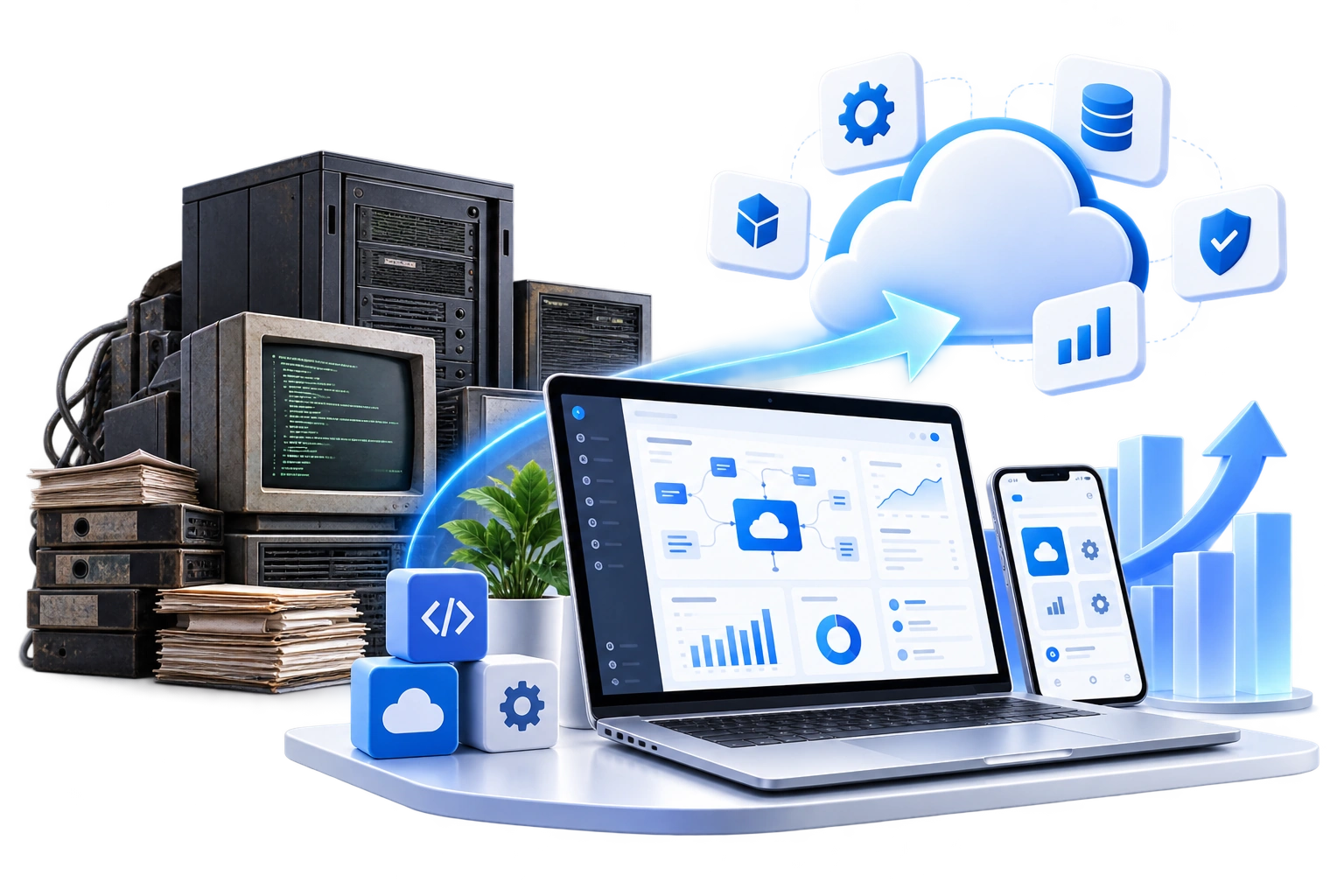
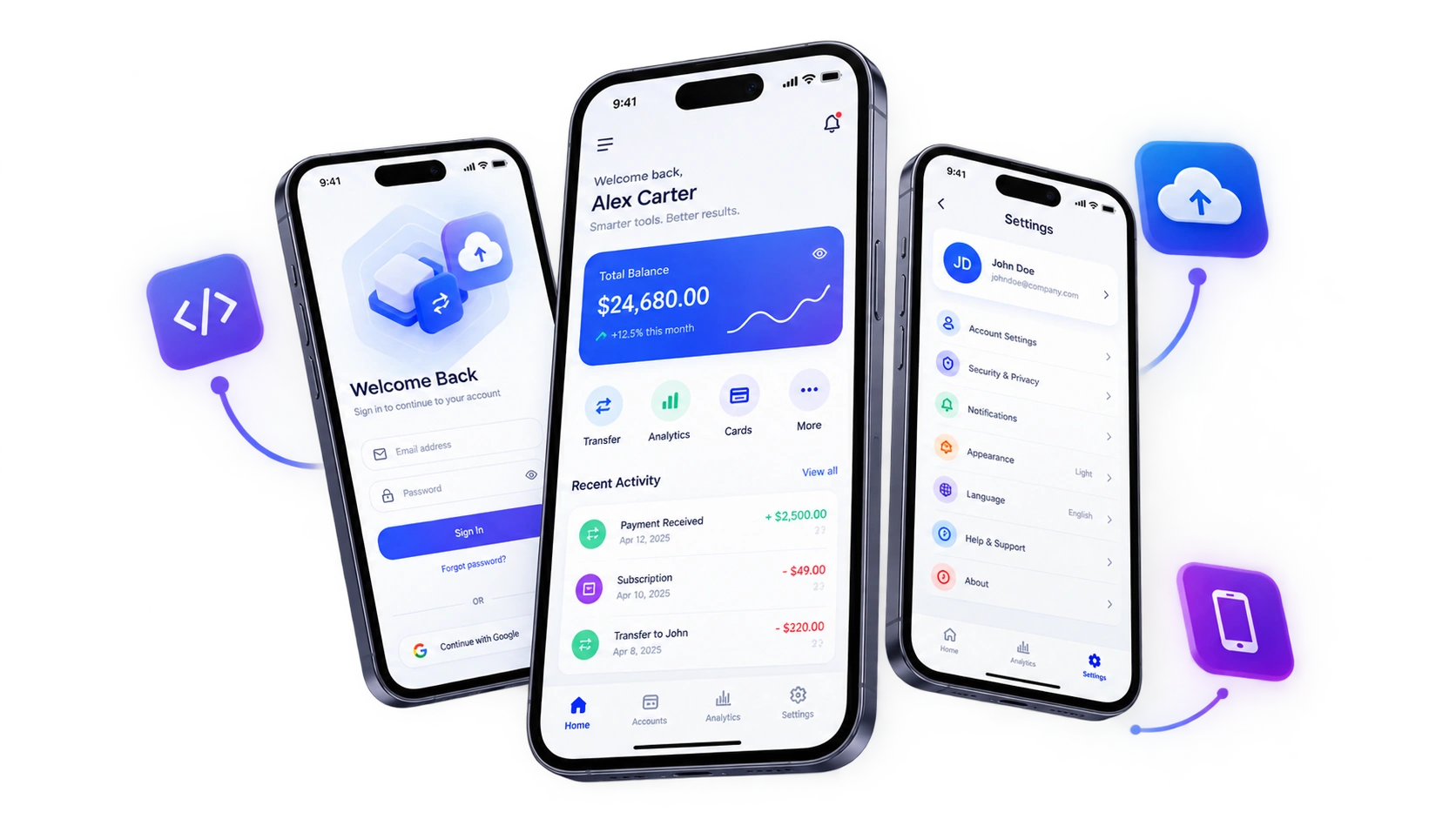
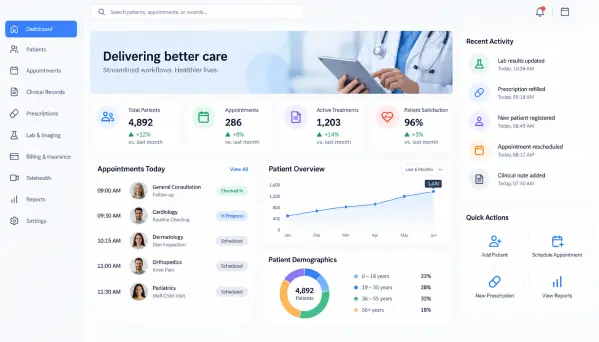
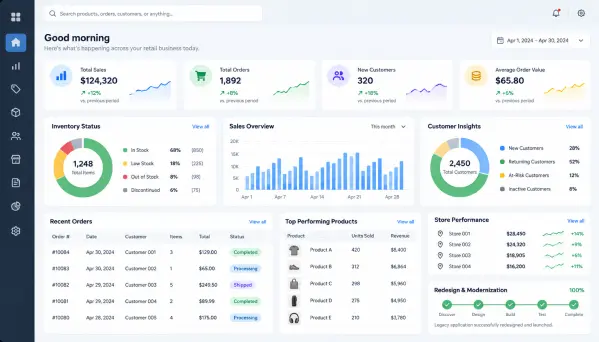
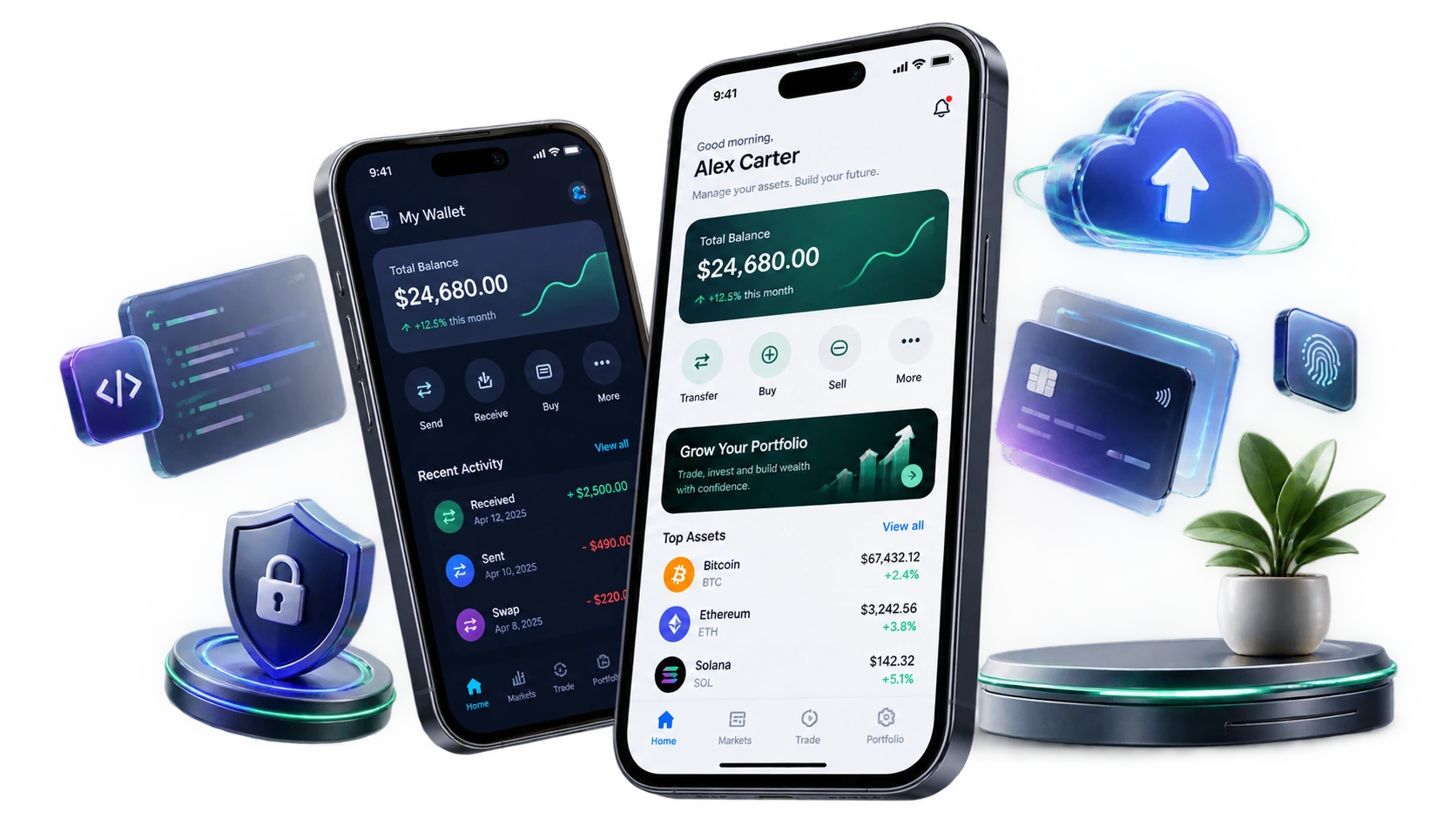
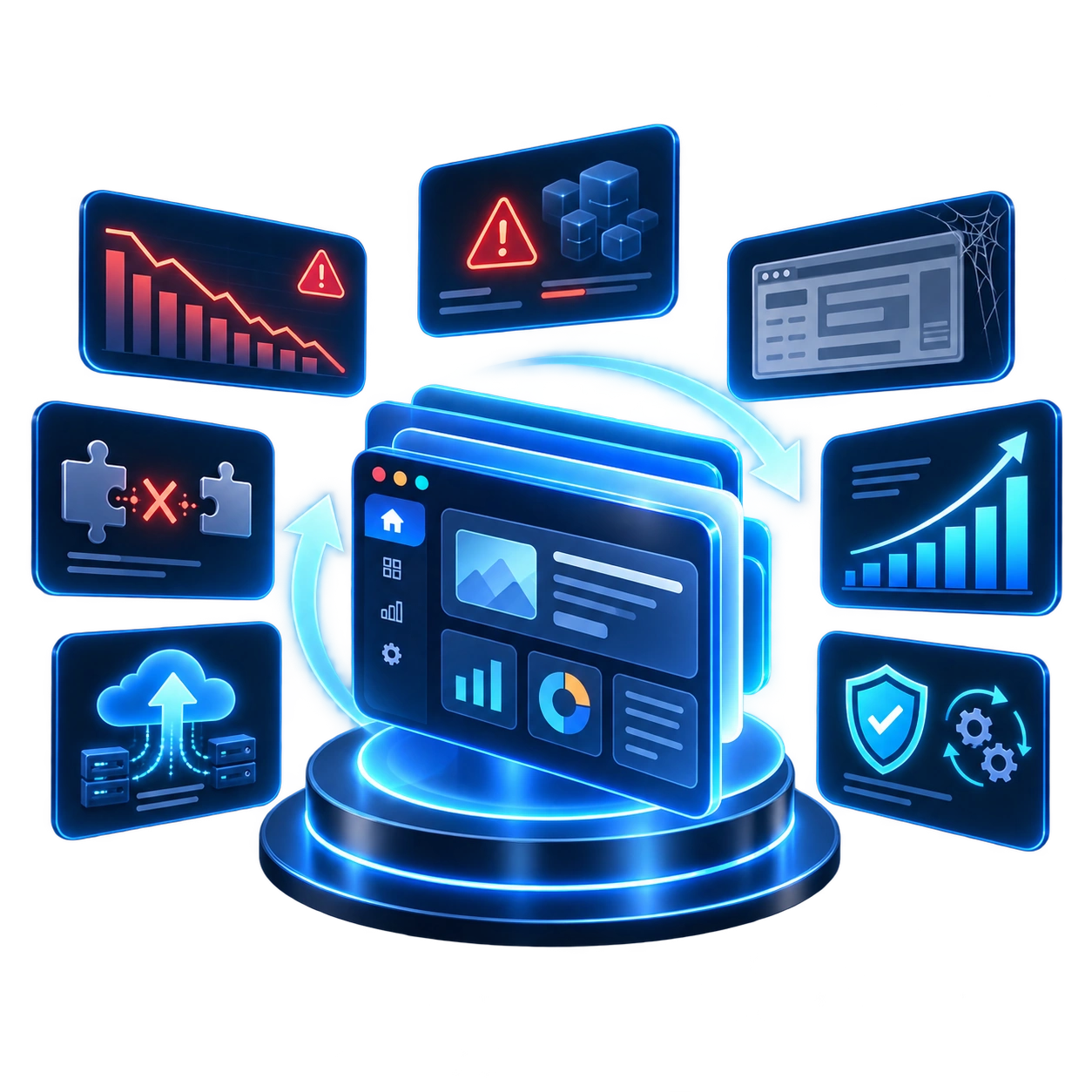
At Suffescom, we modernize existing applications to help businesses overcome legacy limitations and build a stronger foundation for future growth. Our application modernization services focus on upgrading outdated architectures, improving application performance, strengthening security, and making software easier to scale, integrate, and maintain.
Your Partner for End-to-End Application Modernization Services
With 13+ years of experience and 1,000+ projects delivered, Suffescom helps businesses modernize legacy applications and also preserve critical business logic and operational continuity. We combine application reengineering, modernization of APIs and performance optimization to help organizations decrease technical debt and prepare current systems for changing business needs.
Our App Modernization Capabilities
Reworking legacy application code to improve maintainability without changing any important workflows
Connecting outdated platforms with APIs to allow reliable data exchange and third party integrations
Restructuring monolithic systems into reliable architectures that are a lot easier to scale
Moving applications to modern cloud environments with infrastructure suited to current workloads
Rebuilding outdated data components for faster access, stronger reliability, and easier integration
Upgrading application security with modern authentication, authorization, and threat controls
Modernizing testing and monitoring practices to improve release confidence and system visibility
Tuning application performance by addressing code and infrastructure bottlenecks
Why Modernize Your Applications?
A lot of essential applications still use the old architecture and outdated code. These systems are becoming increasingly difficult to maintain, with cyber risks and scalability constraints. Application modernization services are a way to address these limitations by reengineering them to result in secure and high-performance solutions.
Eliminate Legacy Code Constraints
Replace outdated frameworks and unsupported code with maintainable application components.
Remove Performance Bottlenecks
Address inefficient code, database queries, and infrastructure issues that slow down critical workloads.
Close Legacy Security Gaps
Upgrade outdated authentication methods, access controls, encryption, and monitoring mechanisms.
Move Beyond On Premise Infrastructure
Transition legacy workloads to cloud environments through replatforming, refactoring, or hybrid migration.
Shorten Release Cycles
Adopt modern development frameworks and CI/CD pipelines to reduce the effort involved in application releases.
Replace Outdated User Interfaces
Rebuild legacy screens with responsive interfaces designed for current web and mobile usage.
Connect Disconnected Systems
Use APIs and integration layers to link legacy applications with modern platforms and third-party services.
Reduce Maintenance Overhead
Replace costly infrastructure and manual maintenance tasks with better technologies and automated workflows.
Increase Business Agility
Use modular architectures that allow teams to add new capabilities without changing current processes.
Our application modernization services help organizations upgrade outdated software without changing any critical operations. We assess current architectures and apply proven modernization practices.
Our consultants assess application portfolios, technical debt and business priorities to make a practical application modernization strategy with precise transformation phases.
Assess legacy application health
Prioritize modernization opportunities
Define phased transformation plans
Application Containerization
Containerization packages current workloads into portable environments that simplify deployment and support infrastructure in all development and production environments.
Containerize legacy workloads
Configure Kubernetes environments
Standardize deployment workflows
Application Reengineering
We rework application architecture and code to address any kind of structural limitations and also preserve all important functionality and prepare systems for scalability.
Redesign application components
Replace outdated technologies
Improve system maintainability
Mainframe Modernization
Our application modernization company upgrades mainframe dependent applications through selective reengineering or migration. We also protect business logic and decrease dependence on aging technology.
Assess mainframe dependencies
Modernize COBOL workloads
Connect mainframes through APIs
Infrastructure Modernization and Migration
Modern infrastructure improves availability of applications and resource utilization through redesigned environments that support changing workloads and evolving enterprise requirements.
Upgrade infrastructure components
Migrate on-premise workloads
Improve resource utilization
Application Migration
We provide app migration services to move legacy workloads to modern infrastructure through planned transitions that account for application dependencies, data integrity, and operational continuity.
Assess cloud readiness
Map system dependencies
Support AWS, Azure, and GCP
Application Refactoring
Our team restructures existing application code without changing its core behavior, simplifying complex codebases and making applications easier to test, maintain, and extend.
Remove obsolete libraries
Simplify complex modules
Improve code testability
Functionality Customization
Targeted improvements help current applications accommodate changing business requirements without forcing organizations into costly replacements or unnecessary redevelopment.
Add business capabilities
Extend existing workflows
Introduce new modules
Application UX/UI Redesign
We refresh outdated interfaces with responsive interaction patterns that improve usability while preserving familiar workflows across modern web and mobile experiences.
Refresh legacy screens
Improve navigation flows
Build responsive interfaces
Application Integration
Our integration capabilities connect modernized applications with enterprise platforms and external services to establish dependable data exchange across complex technology environments.
Build REST and GraphQL APIs
Connect ERP and CRM platforms
Enable real-time data exchange
Our Portfolio of Successful App Modernization Projects
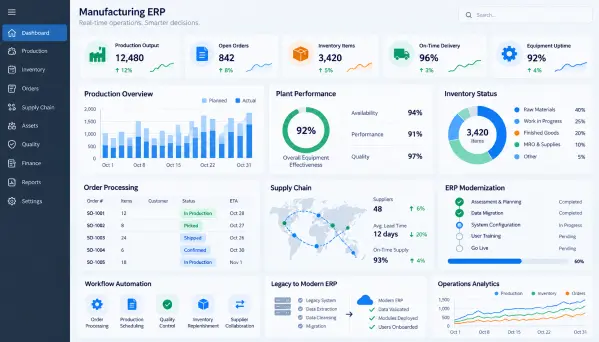
Legacy ERP Modernization for a Manufacturing Company
Business Requirement
A manufacturing company was using an old ERP system that had become very difficult to maintain and incorporate with newer applications. Slow processes and less scalability were impacting all operations. The company needed to modernize its ERP without disrupting important workflows.
Solution
We reengineered the application architecture and modernized main application components. Our team also replaced outdated dependencies and migrated selected workloads to an infrastructure designed for better scalability and maintainability.
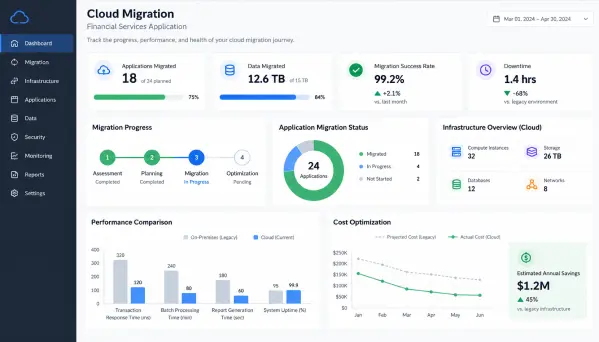
Cloud Migration for a Financial Services Application
Business Requirement
A financial services company relied on an on-premises application that needed infrastructure management and had very little capacity to manage changing workloads. The business wanted to move the application to the cloud and also wanted to maintain data integrity.
Solution
Our application modernization company assessed app dependencies and migrated them to AWS. We also restructured selected components to support elastic resource allocation and added cloud-based monitoring for improved visibility.
Application Reengineering for a Healthcare Provider
Business Requirement
A healthcare provider was using a legacy application with tightly coupled modules and outdated components. Adding new capabilities required development effort and integrations with modern healthcare systems were difficult. The provider wanted to improve the architecture without replacing the entire application.
Solution
Suffescom reengineered the application's main architecture by separating coupled components and modernizing important services. We added API-based integration capabilities and restructured application modules to make future improvements easier to build.
Legacy Application UX Redesign for a Retail Business
Business Requirement
A retail company had a very good working business application with an outdated interface and complicated navigation. Employees were used to the current workflows but required too many steps to complete tasks. The company wanted to improve usability without changing processes.
Solution
Our app modernization team redesigned the application's UX/UI and also retained all familiar workflows. We simplified navigation and added responsive interfaces to provide a consistent experience across desktop and mobile devices.
The 6R Framework: Selecting the Right Application Modernization Strategy
Legacy applications vary in many aspects. Our application modernization consulting approach uses the 6R framework to know if an application should be migrated, restructured, rebuilt, or replaced. This helps create a practical application modernization roadmap and also helps control technical risk.
Rehost (Lift and Shift)
−
We move the application to cloud infrastructure with minimal code changes. This fits workloads where cloud adoption is the main priority and current application behavior can remain unchanged.
Replatform
+
Move the application to a managed cloud platform with all targeted changes to the operating system or middleware. This decreases infrastructure management and also improves performance.
Refactor
+
Restructure the existing code to remove technical debt and improve maintainability of the app. Refactoring works best for legacy application modernization when the main architecture stays viable but the codebase needs enhancement.
Rearchitect
+
Our team redesigns the app around a new architecture using microservices, APIs, containers, or event-driven components. This approach is best for enterprise applications facing resilience or integration constraints.
Rebuild
+
Develop a new application using a modern technology stack and also retain all the important capabilities. This is appropriate when the current architecture cannot support future requirements.
Replace
+
Decommissioning the existing legacy application and moving over to a modern commercial off the shelf solution (COTS) or SaaS-based service. Used for applications where modernizing can no longer be practical or economical.
Industries Our Application Modernization Company Serves
Legacy applications can become very difficult to maintain as business processes and integration requirements change. We provide app modernization services around each industry's operational workflows and compliance requirements.
Advanced Technologies We Implement for Business Application Modernization
We provide legacy application modernization with advanced technologies that extend functionality and aid organizations in improving performance and automation without rebuilding systems from start.
Artificial Intelligence
We incorporate AI capabilities in legacy apps for better automation and predictive analytics. Machine learning models can help automate decisions and surface patterns hidden within operational data.
Computer Vision
Our computer vision development services bring image-based intelligence into legacy applications. Businesses can automate document analysis and visual inspection by decreasing manual handling of image heavy workflows.
Internet of Things
We modernize IoT-powered apps to bring device data into current business workflows. Our team integrates real-time telemetry to support asset monitoring and predictive maintenance.
Generative AI
Generative AI development adds intelligent interfaces to applications through AI assistants and enterprise search. We integrate document processing and knowledge retrieval, which makes them faster.
Augmented and Virtual Reality
Our application modernization solutions integrate AR and VR capabilities to extend applications into immersive use cases like workforce training and remote assistance. Product visualization can also be incorporated into existing workflows.
Blockchain
We modernize applications with blockchain functionality where trusted records and transaction visibility are very important. Smart contracts can also help to automate predefined business processes among all participating parties.
Robotic Process Automation
RPA integration allows legacy applications to handle recurring rule-based activities with very little manual intervention. We integrate RPA to automate tasks like data entry and reconciliation in all disconnected systems.
Cloud and Edge Computing
Cloud and edge technologies help move legacy applications toward distributed computing environments. AWS, Azure or Google Cloud services can support better workloads and edge processing decreases latency for location-sensitive operations.
See What Our Clients Are Saying About Us
CLIENT STORY
Our ERP had become difficult to maintain and even small integrations took too much effort. The modernization work improved performance considerably while allowing our teams to continue using the workflows they already knew.
Daniel BrooksOperations Director, Manufacturing Company
Moving away from our on premises setup was a big step for us. The application modernization team handled the migration very carefully and helped us build a scalable environment without compromising the stability of our application.
Laura BennettTechnology Manager, Financial Services Company
We didn’t want to remove the complete application just because its architecture was old. The reengineering work gave us a much better foundation and made it easier to add new integrations and functionality.
Christopher HayesDirector, Healthcare Provider
Our employees were comfortable with the current system but found the interface increasingly difficult to navigate. Suffescom redesigned the interface and kept the workflows familiar.
Rachel MorganDigital Operations Manager, Retail Company
Is Your Legacy Application Holding Back Growth?
Modernize outdated architecture, improve application performance, and extend the life of critical business software.
Our process follows a structured application modernization roadmap that helps organizations assess legacy environments, execute transformation, and maintain the modernized application.
We examine the existing application to know its technical condition and business importance and develop an application modernization strategy.
Review business and application requirements
Assess architecture, code, and dependencies
Identify technical debt and modernization priorities
02
Modernization Strategy and Roadmap
The assessment findings are translated into a practical modernization strategy based on business goals and technical constraints.
Select the appropriate modernization approach
Define technologies and transformation phases
Establish budget, timeline, and risk controls
03
Modernization Planning and Prototyping
Before large-scale changes begin, we validate the modern application architecture for the enterprise and modernization direction through detailed planning.
Define the target architecture
Prototype critical components
Establish migration and testing plans
04
Application Modernization
Selected modernization activities are executed in controlled phases to improve the application and also protect critical functionality of the workflows.
Reengineer or refactor application components
Migrate workloads and modernize integrations
Test functionality and conduct UAT
05
Deployment and Transition
The modernized application is prepared for production with controlled deployment procedures designed to minimize operational disruption.
Deploy modernized application components
Validate integrations and data integrity
Transition users and operational teams
06
Post-Modernization Support
Our application modernization services include ongoing support that keeps the application stable and aligned with changing business requirements.
Monitor application performance
Resolve emerging technical issues
Apply updates and security patches
Cost to Modernize a Legacy Application
The cost of application modernization depends largely on the transformation approach. Simple migration requires fewer changes and reengineering or rebuilding can involve more development work.
Application Modernization Challenges and How We Address Them
Modern application development usually involves a lot more than upgrading old technology. Our approach focuses on resolving application modernization challenges without unnecessary disruption.
01
Challenge
The unsupported framework and code that is tightly coupled could make any small change challenging and impossible to test.
02
Our Approach
We identify dependency bottlenecks and refactor critical components through a controlled legacy application modernization approach.
01
The Challenge
Modernization of applications may cause production downtime as well as disrupt the operation of connected systems.
02
Our Approach
Phased releases and use of a parallel environment ensure that operational continuity will be maintained during modernization.
01
Challenge
Legacy databases may contain years of business records with complex schemas and application dependencies.
02
Our Approach
We map data relationships and validate migration integrity before moving workloads into the modernized environment.
01
Challenge
Older applications usually do not have modern APIs and rely on proprietary interfaces or rigid data exchange methods.
02
Our Approach
API layers and integration services connect old systems with modern platforms without changing proven business processes.
01
Challenge
Aging applications may contain authentication mechanisms and unresolved vulnerabilities.
02
Our Approach
We modernize identity controls and security architecture and also strengthen encryption and application monitoring.
01
The Challenge
Moving from legacy technology to modern frameworks can create compatibility issues and unexpected technical debt.
02
Our Approach
We evaluate architecture dependencies before selecting replatforming, refactoring, rearchitecting, rebuilding, or replacement as part of the 6R framework.
Compliance Standards We Follow for Legacy Application Modernization
Our legacy application modernization services account for regulatory controls and security requirements throughout transformation. We help preserve auditability and data protection as applications move from legacy to modern technology environments.
SOX ITGCs
SOC 2 Type II
SOC 1 Type II
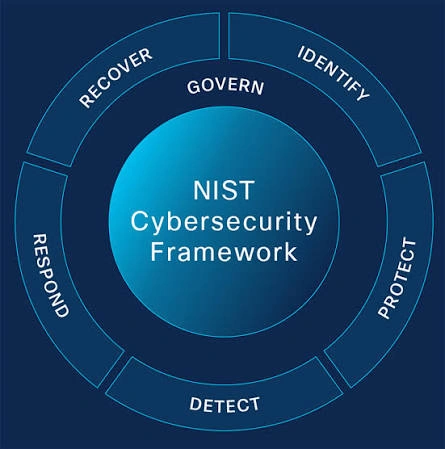
NIST
FedRAMP
ISO 27001
HIPAA
HITECH
PCI DSS
GDPR
CCPA
LGPD
WCAG
ADA
Awards And Industry Recognitions
Build a Stronger Foundation for Your Applications
Improve system scalability by up to 40% and reduce application maintenance effort by up to 30% with a focused modernization strategy.
Application modernization becomes important when legacy technology starts limiting business performance. These indicators can help you know whether your existing application is ready for modernization:
Maintenance is becoming difficult due to outdated code or complex dependencies
Frameworks or platforms are no longer supported by their vendors.
Security vulnerabilities are increasing across the application environment
Application performance is declining under current workloads
Infrastructure costs are rising without proportional business value.
Integrations are becoming difficult with modern APIs and platforms.
Release cycles are taking too long to deliver required changes
The application cannot scale with growing users or workloads
User experience is falling behind modern digital expectations
Why Choose Suffescom For Legacy Application Modernization Services
Application modernization needs a lot more than replacing outdated technology. Suffescom combines application engineering with cloud expertise to modernize existing systems while protecting main functionalities and also decreasing operational disruption.
01
Complex System Experience
Our teams work across legacy applications and enterprise platforms to handle modernization requirements across diverse technology environments.
02
Business-Led Approach
As the best application modernization services provider, we evaluate technical debt and system dependencies to find modernization priorities that support your objectives.
03
Phased Transformation
Our legacy application modernization services enable incremental refactoring and migration without forcing critical workloads through disruptive changes.
04
Full Stack Expertise
Our capabilities cover application code and databases through APIs and infrastructure to address dependencies across the technology stack.
05
Cloud Architecture Expertise
We apply containers and microservices where they provide a practical path toward scalable cloud environments.
06
Post-Modernization Support
Our teams provide monitoring and performance tuning after modernization to keep applications stable as workloads evolve.
07
Existing System Focus
We determine which components should be retained and which require transformation to maximize the value of existing technology investments..
08
Flexible Engagement Models
From targeted upgrades to enterprise transformation, our engagement models adapt to changing technical requirements and modernization priorities.
Book a Free 30-Minute App Modernization Consultation
Discuss your legacy application and technical challenges with our app modernization experts. Get practical guidance on the right modernization approach for your application architecture and business requirements.
App modernization means updating an existing application to improve its performance, security, scalability, maintainability, and integration capabilities. Businesses consider it when an application becomes difficult to maintain or unable to support new business requirements.
No. Rebuilding is only one possible modernization approach. Depending on the application's condition and business objectives, companies can:
Rehost
Replatform
Refactor
Rearchitect
Rebuild
Check if you are having these issues in your app:
Frequent performance issues
Rising maintenance costs
Outdated technology
Security vulnerabilities
Slow feature releases
Integration limitations
Yes. Legacy application modernization can be performed incrementally rather than changing the entire system at once. An application modernization company can modernize individual modules, introduce APIs, migrate workloads in phases, and use parallel testing to reduce operational disruption.
The choice depends on the application's architecture, technical debt, business value, scalability requirements, and modernization goals.
Rehosting moves the application with minimal changes.
Replatforming introduces selected infrastructure or platform improvements.
Refactoring improves the code while preserving core functionality.
Rebuilding creates a new application when the existing system cannot meet future needs.
A well-planned application modernization can deliver measurable improvements across technology and business operations:
Better scalability
Improved performance
Enhanced security
Faster releases
Lower maintenance costs
Easier integrations
Greater agility
There is no standard timeline. A small application may take 2 months, while complex enterprise application modernization can take 6-18 months.
The cost for application modernization ranges from $20K to $500K. It depends on the application's size and desired modernization scope.
It depends on the condition and business value of the existing application. Modernization can be more economical when the system contains valuable business logic that can be retained and improved incrementally. Replacement may be more suitable when the existing architecture is too restrictive or costly to evolve.
A phased approach can help control investment by prioritizing the applications or modules with the highest business impact. Defining the scope early, reusing valuable components, automating testing, and creating a clear application modernization roadmap can also reduce unnecessary development and migration work.
Cloud migration can increase the initial investment because applications may require architectural changes, data migration, security controls, and cloud infrastructure setup. However, the right cloud architecture can provide greater scalability, flexibility, deployment speed, and operational efficiency over time.
Legacy systems can be gradually connected to modern applications through APIs, modernized user interfaces, cloud infrastructure, and integration layers. Depending on the application's requirements, modernization may also involve:
Containers
Microservices
Cloud-native components
Database modernization
Security should be considered throughout the modernization lifecycle. This includes:
secure coding
Access controls
Encryption
API security
Vulnerability testing
Data protection
Backup strategies
Compliance checks
An enterprise application modernization roadmap should define the current technology landscape, business priorities, target architecture, modernization approach, dependencies, risks, and implementation phases.
Look for an application modernization company with:
Relevant experience
Review its modernization methodology
Technical expertise
Project communication
Relevant application modernization case studies
🍪We use cookies
Our website requires some cookies to function properly.
•SUFFESCOM SOLUTIONS
Build Smarter. Scale Faster. Grow More.
Have a Vision? Let’s Turn It Into a Digital Reality.
Get a quick response from our best experts in under 10 minutes.
“
Suffescom easily understood our main goal and delivered the best digital solution. Their team was very cooperative, and it was a very good experience working with them. I would highly recommend them.
James AndersonFounder & CEO, FinTech Company
“
Working with Suffescom was a really great experience. Their developers demonstrated technical knowledge and delivered our mobile app solution with all required functionalities on time.
Sarah MitchellProduct Manager, Healthcare Startup
“
Suffescom helped us build a logistics software solution that completely improved our fleet operations. Their professionalism and transparency are what make them a reliable technology partner.
Michael RobertsCEO, Logistics Company
Our Customer Say:EXCELLENT★★★★½✓ Goodfirms
Have a project idea or need expert guidance? Share your requirements at sales@suffescom.com and our team will get back to you shortly.
Share Your Requirements. Our Experts Will Shape the Solution.
Expert consultation within 10 minutes.Your project details are completely secure under NDA protection.
Get Outstanding Business Outcomes With Future Ready Solutions
Get Free Consultation From Top Industry Experts
Begin A Generous Partnership Now
•SUFFESCOM SOLUTIONS
Build Smarter. Scale Faster. Grow More.
Have a Vision? Let’s Turn It Into a Digital Reality.
Get a quick response from our best experts in under 10 minutes.
“
Suffescom easily understood our main goal and delivered the best digital solution. Their team was very cooperative, and it was a very good experience working with them. I would highly recommend them.
James AndersonFounder & CEO, FinTech Company
“
Working with Suffescom was a really great experience. Their developers demonstrated technical knowledge and delivered our mobile app solution with all required functionalities on time.
Sarah MitchellProduct Manager, Healthcare Startup
“
Suffescom helped us build a logistics software solution that completely improved our fleet operations. Their professionalism and transparency are what make them a reliable technology partner.
Michael RobertsCEO, Logistics Company
Our Customer Say:EXCELLENT★★★★½✓ Goodfirms
Have a project idea or need expert guidance? Share your requirements at sales@suffescom.com and our team will get back to you shortly.
Share Your Requirements. Our Experts Will Shape the Solution.
Expert consultation within 10 minutes.Your project details are completely secure under NDA protection.
Have a Vision? Let’s Turn It Into a Digital Reality.
Get a quick response from our best experts in under 10 minutes.
“
Suffescom easily understood our main goal and delivered the best digital solution. Their team was very cooperative, and it was a very good experience working with them. I would highly recommend them.
James AndersonFounder & CEO, FinTech Company
“
Working with Suffescom was a really great experience. Their developers demonstrated technical knowledge and delivered our mobile app solution with all required functionalities on time.
Sarah MitchellProduct Manager, Healthcare Startup
“
Suffescom helped us build a logistics software solution that completely improved our fleet operations. Their professionalism and transparency are what make them a reliable technology partner.
Michael RobertsCEO, Logistics Company
Our Customer Say:EXCELLENT★★★★½✓ Goodfirms
Have a project idea or need expert guidance? Share your requirements at sales@suffescom.com and our team will get back to you shortly.
Share Your Requirements. Our Experts Will Shape the Solution.
Expert consultation within 10 minutes.Your project details are completely secure under NDA protection.
 +971-8000321216