 +971-8000321216



Expertise Built on Years of Software Engineering
Suffescom is a software modernization company with over a decade of experience in software product engineering, assisting enterprises in advancing their legacy systems, older products, and challenging technological environments without disrupting their current operations.
Our legacy software modernization services revolve around the parts of your technology stack that cause friction: old code, inflexible architecture, aging databases, fragile integrations, and limited infrastructure. We choose where to modernize and lay strong groundwork for further development.
13+
Years of Industry Experience
4.9/5
Client Rating on Clutch
50+
Platforms Delivered Successfully
250+
Software Developers
Why Modernize Your Software Before Legacy Debt Slows You Down
Modernization helps you address these constraints without automatically replacing everything. With custom software modernization, you can prioritize high-risk components, preserve proven business logic, and improve the areas that directly affect performance and delivery.

Updated Architecture
−Replace rigid architectural patterns where they create measurable constraints. Use modularization, service decomposition, or any other changes if they help improve maintenance, scalability, and release management.
Reduce Technical Debt
+Identify and address problematic code, outdated library versions, instances of duplicate code, or areas lacking sufficient testing. Rather than handling all code issues in one go, target those code issues that affect your business directly.
Simplify Integration
+Refactor legacy interfaces, point-to-point connections, and rigid integration into APIs, event-driven integration, or integration layering, where applicable. Enable interoperability without updating connecting systems at the same time.
Performance Efficiency
+Resolve inefficient software, databases, infrastructure, or scaling challenges that may hinder performance. Modernize deployment and infrastructure selectively to support predictable performance under changing demand.
Strengthen Security
+Identify unsupported frameworks, vulnerable dependencies, outdated protocols, and weak access controls across the software environment. Apply upgrades and security controls while maintaining compatibility with business functions.
Enable Faster Change
+Upgrade the system that causes problems and impedes innovation. Modernizing the system, testing, using feature toggles, and implementing rolling upgrades will reduce the risk of change while the old system is still around.
Software Modernization Projects We’ve Delivered
Our portfolio reflects software modernization work across software and products with different technology stacks, integration requirements, and scalability demands.
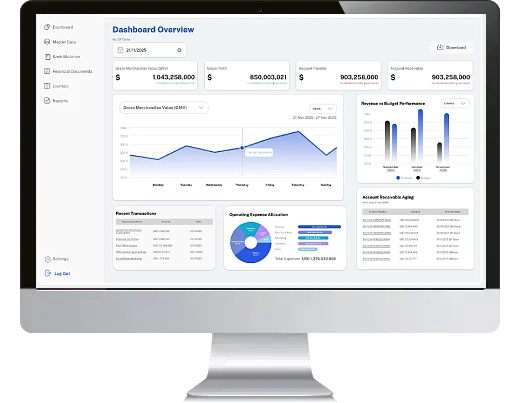
AI-Integrated Accounting Platform Modernization Services for a Reputed Flying Academy in Florida
Business Challenge: A Florida-based flying academy needed to modernize its accounting system without replacing the existing platform. Manual bookkeeping was slowing financial operations. Student billing and bank reconciliation also required too much manual work.
Engineering Approach: We modernized the accounting environment with OCR-based document capture and automated bank reconciliation. The platform also added invoice workflows with AI assistance and API integrations for banking and payment systems.
Business Outcomes:
5M+
Customers supported globally
15B+
API requests processed monthly
3,000+
App integrations supported
99.95%
Platform uptime

Magento Platform Modernization for a California Streetwear Marketplace
Business Challenge: A California-based streetwear marketplace needed better product discovery and affiliate tracking. Its Magento platform also required stronger marketing analytics and third-party integrations.
Engineering Approach: We upgraded the Magento platform with faster product search and affiliate tracking. Our team connected analytics and marketing tools to improve campaign tracking. Affirm was added for flexible payments and AWS and Redis helped the platform handle high traffic.
Business Outcomes:
99.95%
Platform uptime
6,200
API requests processed per minute
180ms
Search response time
120ms
Affiliate tracking response time
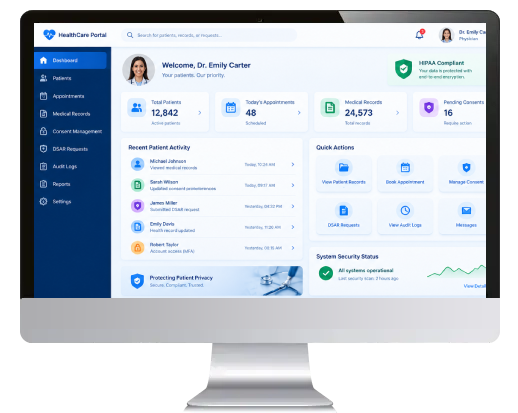
HIPAA-Compliant Patient Portal Modernization for a Medical Group
Business Challenge:A large medical group had an outdated patient portal with weak access controls and limited security monitoring. Staff could access more patient data than needed while several integrations used unencrypted connections.
Engineering Approach: We upgraded the portal with six role-based access levels and least privilege permissions. TLS 1.3 and AES-256 protected patient data. MFA secured staff accounts while audit logs recorded every access to patient records.
Business Outcomes:
0
Security incidents since implementation
100%
Data flows encrypted
200+
Providers with restricted data access
90%
Reduction in investigation time
Approaches to Modernize Software Based on Your System’s Needs
No one-size-fits-all methodology exists when it comes to software modernization. We choose the right methodology depending on architecture, technical debt, dependencies, business criticality, risk of migration, and ability to accommodate change.
Rehost: Move With Minimal Software Change
Migrate workloads to modern infrastructure with limited code changes. This approach suits systems where infrastructure constraints are the primary concern and rapid migration is more important than architectural change.
Replatform: Upgrade the Runtime Environment
Move software to a modern platform with targeted changes for improved performance, scalability, and operations. It offers a practical software modernization solution without requiring a complete architectural redesign.
Refactor: Improve the Existing Codebase
Modify your code to ease complexity, update dependencies, and improve testability. Refactoring works when you have a good basic architecture, but some aspects of the software require specialized software modernization.
Rearchitect: Eliminate Structural Limitations
When existing architecture hinders scalability, integration, or reliability, consider rearchitecting. Modernization involves techniques like modularization, APIs, asynchronous computing, or partial service decomposition, depending on the workload.
Rebuild: Rewrite the Software Framework
When your existing code base is too restrictive, poorly documented, or costly to modify further, think about rebuilding the software. A software modernization firm must first determine the key business logic of the software.
Replace: Adopt a Better-Fit Platform
Replace legacy software when another platform becomes a stronger fit. Our legacy software modernization services consider business goals, integrations, data migration, customization, and long-term ownership before replacement.
Retire: Eliminate Software That No Longer Adds Value
Stop using applications, modules, integrations, or workloads that are redundant, obsolete, or no longer needed. These systems have the potential to squander valuable resources and significantly diminish overall operational efficiency.
Incremental Modernization: Change in Controlled Stages
Modernize high-value components while the existing system continues operating. Software product modernization services can use API boundaries, strangler patterns, feature flags, and parallel runs to reduce migration risk.
Challenges That Can Complicate Software Modernization
Legacy environments often contain undocumented dependencies, embedded business rules, outdated components, and fragile integrations. Effective legacy software modernization services must account for these constraints before changes reach production.
Undocumented Business Logic
Critical rules may exist only inside legacy code, database procedures, or user workflows. Characterization testing and business-rule discovery help identify expected behavior before changing core components.
Complex System Dependencies
Software systems hardly ever work in isolation. The dependency map can reveal other systems, databases, batch processes, APIs, or infrastructure that might be impacted by modernization.
Data Migration Hazards
Data migration poses risks to data integrity, synchronization, and compatibility. It requires validation, reconciliation, backup measures, and sometimes the coexistence of legacy and modern data environments.
Technical and Skill Shortages
The older platforms may rely on frameworks, runtimes, and development expertise that are hard to sustain. Modernization should be done with consideration of available expertise, documentation, and long-term supportability.
Business Continuity Considerations
It is not always possible to perform a cutover and have long downtime of critical software systems. Use staged releases, dual operation, rollback capability, and controlled traffic routing to reduce operational disruption.
Technical Debt and Code Complexity
Years of patches can create duplicated logic, brittle components, obsolete dependencies, and weak test coverage. A practical modernization solution prioritizes the debt that creates the greatest delivery, reliability, or security risk.
Security and Compliance Requirements
Modernization can affect authentication, authorization, data handling, audit trails, and regulatory controls. Security requirements should be incorporated into the target architecture rather than treated as a final-stage validation step.
Key Benefits of Modernization Across Your Software Environment
A well-planned software modernization solution improves more than outdated technology. It creates a maintainable foundation for faster development, reliable operations, stronger integrations, and controlled scalability.

Improve Software Performance
Address inefficient code paths, database bottlenecks, infrastructure constraints, and resource-heavy workloads. Modernized components can deliver more predictable performance as usage grows.
Scale With Changing Demand
Remove architectural and infrastructure constraints that make scaling difficult. Modernization can provide flexible infrastructure, modular components, caching, and asynchronous processing as needed for the workload.
Accelerate Feature Delivery
Streamline code organization, testability, deployment workflows, and development environments to implement changes efficiently, reducing regression risks and engineering overhead in the release process.
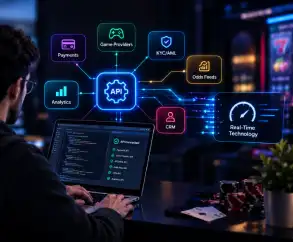
Strengthen Security
Replace unsupported dependencies, outdated frameworks, insecure protocols, and weak controls with maintainable technologies and security practices aligned with the software’s requirements.
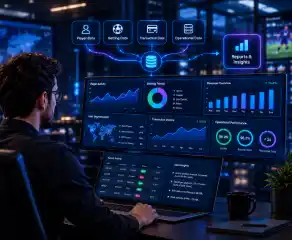
Reduce Maintenance Complexity
Simplify brittle code, eliminate unnecessary dependencies, and improve documentation and observability. Teams develop a clear and robust technology foundation that is easier to operate and maintain over time.
Modernize System Integration
Enable software to connect more reliably through APIs, messaging, and modern integration patterns. This reduces dependency on fragile point-to-point connections and makes future integrations easier.

Extend Software Lifespan
Preserve valuable business capabilities while improving the technology underneath them. Custom software modernization helps keep legacy software useful without forcing a full replacement when necessary.
Our End-to-End Software Modernization Workflow Process
Every effort at modernization is built on facts rather than assumptions. Our modernization process begins with analyzing the current environment, identifying the future state, and planning out changes to ensure functionality, data integrity, performance, and business continuity.
01. Analyze the Current Environment
Analyze architectural design, quality of code, dependencies, infrastructure, database, integrations, security concerns, and limitations. For legacy software modernization, we determine what should remain, be refactored, replaced, or retired.
02. Plan the Modernization Approach
Evaluate the current situation in relation to business objectives, technical debt, associated risks, and any limitations in delivery timelines. The proper strategy is chosen: refactoring, replatforming, re-architecture, rebuild, replace, or incremental modernization.
03. Design the Target Architecture
Define the future software, data, integration, and infrastructure architecture. For custom software modernization, we establish API boundaries, compatibility requirements, migration sequencing, observability, security controls, and rollback considerations.
04. Modernize in Controlled Stages
Implement prioritized changes without forcing a high-risk big-bang migration. Software product modernization can use incremental releases, strangler patterns, feature flags, parallel operation, and phased component migration where appropriate.
05. Validate Functionality and Performance
Use automated and characterization testing to confirm that critical business behavior remains intact. Thoroughly validate performance, integrations, security measures, data integrity, and potential failure scenarios before transitioning to the production environment.
06. Deploy and Transition
Transition modernized workloads through carefully managed environments and a systematic production cutover process. Traffic shifting, monitoring, rollback procedures, and data reconciliation help reduce disruption during the transition.
07. Optimize the Modernized Environment
Monitor production behavior and address performance, reliability, infrastructure, and maintainability issues after release. Our software product modernization services evolve the environment as operational data and business requirements change.
How Much Do Software Modernization Services Cost?
The cost of software modernization can differ greatly, based on the architecture, code base, data complexities, and extent of modernization. A basic software upgrade can cost nearly USD $30,000, while a full-scale product modernization can cost up to USD $500,000 or higher.
Rehost (Lift & Shift)
USD $30K – $100K+
- Cloud readiness assessment
- Infrastructure provisioning
- Software and database migration
- Security configuration
- Deployment and validation
- Timeline: 2–6 months
Replatform
USD $75K – $200K+
- Existing software environment upgrades
- Database and middleware modernization
- Cloud service integration
- Deployment automation
- Performance optimization
- Timeline: 3–9 months
Refactor / Re-architect
USD $150K – $350K+
- Legacy code refactoring
- Architecture restructuring
- API modernization
- Service decomposition
- Database restructuring
- Timeline: 6–12 months
Rewrite / Rebuild
USD $250K – $500K+
- New software architecture
- Modern technology stack
- Feature redevelopment
- Data migration
- Enterprise integrations
- Timeline: 9–18+ months
Factors That Influence Software Modernization Cost
The cost of software modernization services is shaped by more than software size. Architecture, code quality, data dependencies, integrations, migration strategy, and business continuity requirements can all influence the effort involved in modernizing an existing system.
Software Size & Complexity Current Architecture Modernization Approach Technology Stack Data & Database Complexity Integrations & Dependencies Security & Compliance Migration & Business Continuity Testing & Quality Assurance
Software Size & Complexity
A larger source code usually entails a greater amount of analysis, testing, and coordination. The complexity of the software is as important a factor as the lines of code for custom software modernization.
Current Architecture
It may be monolithic, distributed, tightly coupled, or poorly documented architectures that can require different levels of restructuring. The target architecture and required degree of change directly affect modernization effort.
Modernization Approach
Rehosting typically requires less software change than refactoring or rearchitecting. A phased software product modernization strategy may also spread implementation effort across multiple releases.
Technology Stack
Unsupported runtimes, outdated frameworks, proprietary components, and obsolete dependencies can increase remediation and migration work. The availability of modern technologies and expertise also matters.
Data & Database Complexity
Large datasets, complex schemas, stored procedures, data-quality issues, and strict integrity requirements can make database modernization more involved. Coexistence and synchronization may be needed during transition.
Integrations & Dependencies
APIs, third-party platforms, legacy interfaces, scheduled jobs, and shared services can expand the modernization scope. Legacy software modernization requires careful dependency mapping to avoid breaking connected systems.
Security & Compliance
Software handling sensitive data or operating under regulatory requirements may need additional security controls, testing, auditability, and migration safeguards. These requirements should be considered from the initial stage.
Migration & Business Continuity
Low-downtime requirements, parallel operation, phased cutovers, rollback plans, and production validation can increase project effort. For critical systems, these controls are often essential to a safe software modernization solution.
Testing & Quality Assurance
Complex modernization projects require extensive functional, performance, regression, and compatibility testing. The required testing depth can significantly influence the overall modernization effort.
Software Modernization Across Industries
Upgrade your legacy financial software through the latest architectural and integration techniques.

Manufacturing
Improve your current manufacturing software systems through better integration, visibility, and automation capabilities to boost overall efficiency.

Healthcare
Upgrade your healthcare platforms to enhance interoperability, data management, security, scalability, and adaptation to changing workflows.

eCommerce
Modernize your eCommerce platforms and backend systems for increased scalability and improved handling of large numbers of transactions.

Automotive
Scalable architectures and cleaner integrations help reduce aging technology dependencies across connected automotive platforms.

Insurance
Transform insurance software solutions while preserving complex policy, claims, underwriting, and business rules embedded within legacy systems.

Fintech
Modernize fintech software systems to improve scalability, security, integrations, and adaptability across evolving financial workflows.

AdTech
AdTech platforms enhance real-time processing, analytics, and integration for high-volume advertising through targeted software modernization.

Logistics
Transform transportation with logistics software to strengthen system connectivity, real-time data exchange, workflow efficiency, and operational scalability.

Real Estate
Modernize property management, leasing, and real estate platforms to connect fragmented systems, streamline property data, and streamline operations.

Agriculture
Strengthen agriculture platforms with connected field data, streamlined workflows, and technology built to evolve with operations.

Retail
Upgrade POS, inventory, order management, and e-commerce systems with modern retail systems and maintainable architectures.

iGaming
Strengthen casino, sportsbook, player management, and payment systems with high-performing iGaming software built for scale and real-time processing.
What Clients Say About Us
Our modernization engagements are built around measurable technical improvements, reliable delivery, and minimal disruption to business operations. Here’s what clients say about working with our engineering team.
CLIENT STORY 

“We were honestly nervous about touching such an old system. As a legacy software modernization company, Suffescom gave us a clear path forward. They understood what needed to change without disrupting the workflows our team depended on.”

“Our product had grown over the years, but the architecture hadn’t kept up. Working with a software modernization company that looked at the bigger picture helped us tackle the right problems instead of trying to rebuild everything.”

“The biggest issue for us was getting our systems to communicate properly. We needed a software modernization company that could work around our existing setup, and the team focused on the integrations first. That made the whole transition much easier.”

Why Choose Suffescom as Your Software Modernization Company?
As an experienced software modernization company, Suffescom combines software engineering, architecture, cloud, data, integration, and testing expertise to modernize complex systems while protecting the business capabilities, workflows, and data your organization already depends on.
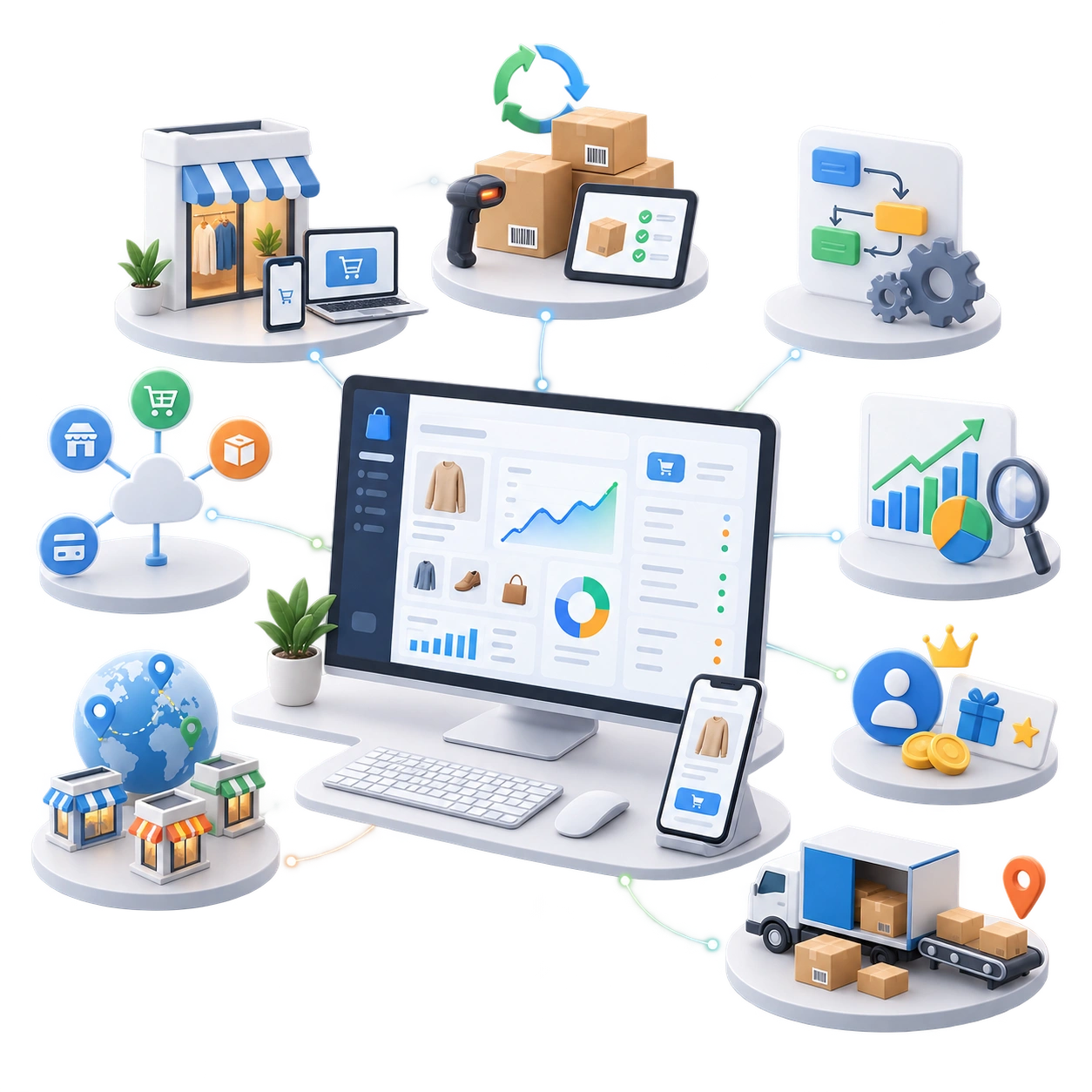
Years of Engineering Experience
We understand how software evolves, accumulates technical debt, and becomes harder to maintain over time. Our teams bring this experience to legacy software, software products, databases, integrations, and modernization programs.
Modernize Only What Needs to Change
Not every component of an existing system needs to be replaced. We evaluate technical condition, business value, dependencies, and future requirements to determine what should be retained, refactored, replatformed, replaced, or retired.
Architecture-Led Engineering
Our modernization decisions consider workload requirements, system dependencies, scalability, deployment models, and maintainability. Our architectural patterns are based on the problem instead of forcing a one-size-fits-all architecture.
Incremental Modernization
When a complete replacement creates unnecessary business risk, modernization can happen in controlled stages. We utilize modularization, APIs, phased releases, and feature flags to evolve the system while critical operations continue.
Full-Stack Modernization Expertise
Our software modernization services encompass software code, architecture, databases, APIs, integrations, cloud infrastructure, and testing. This approach ensures that modernization resolves interconnected technical constraints effectively.
Preserve Critical Business Logic
Business rules are often embedded in legacy code and workflows. As a leading software modernization company, we focus on understanding critical behaviors before making changes to preserve valuable functionality.
Security Built Into Modernization
We integrate security throughout the lifecycle, not just at the end. We focus on modernizing outdated dependencies, as well as enhancing authentication, authorization, API security, data protection, logging, and monitoring controls.
Built for Future Change
Modernization should establish a foundation for evolving requirements. We prioritize clear architecture, automated testing, observability, maintainable integrations, and reduced technical debt to avoid future legacy constraints.
Our Awards & Recognition
Our commitment to technology, product quality, and engineering excellence has earned recognition across leading industry platforms and technology organizations.







Technology Modernization: From Legacy Stack to Modern Architecture
We modernize existing technology stacks based on business requirements, system dependencies, and target architecture, not by forcing every application onto the same technologies.

Spring Boot / Modern Java

Modern .NET

REST / Event-Driven APIs

AWS / Azure / Google Cloud

Modern Relational / Cloud Databases

Modular Monolith / Services

CI/CD Automation

Containers / Kubernetes

Kafka / RabbitMQ

React / Angular / Vue.js
Spring Boot / Modern Java
Modern .NET
REST / Event-Driven APIs
AWS / Azure / Google Cloud
Modern Relational / Cloud Databases
Modular Monolith / Services
CI/CD Automation
Containers / Kubernetes
Kafka / RabbitMQ
React / Angular / Vue.js
Frequently Asked Questions
Software modernization is the process of improving an existing software's architecture, code, infrastructure, data layer, integrations, or user interface to meet current business and technical requirements.
Businesses should consider software modernization services when legacy technology limits scalability, security, performance, integration, maintainability, or the ability to deliver new features efficiently.
Legacy software modernization services help transform aging software, outdated technology stacks, complex databases, and tightly coupled integrations while preserving the business capabilities that remain valuable.
Yes. A software modernization solution can target specific components through refactoring, replatforming, rearchitecting, API modernization, database upgrades, or incremental migration while retaining valuable existing functionality.
Our legacy software modernization company begins by assessing architecture, codebase, dependencies, data, integrations, infrastructure, and business logic. We then select the appropriate modernization path and execute it in controlled stages.
Yes. Our software modernization company can modularize, refactor, containerize, or progressively decompose a monolith into independently deployable services based on its architecture and business requirements.
Yes. As part of our legacy software modernization services, database work can include schema restructuring, data transformation, migration, synchronization, validation, and controlled cutover processes.
Yes. Our custom software modernization approach evaluates obsolete frameworks, runtimes, libraries, and platforms to determine whether they should be upgraded, refactored, replatformed, or replaced.
Software modernization services typically cost USD $30,000–$500,000+, depending on the modernization approach, software complexity, data, integrations, and architecture. Rehosting may start around $30K, while refactoring, re-architecting, or rebuilding can reach $500K+ for complex systems.
Modernization timelines typically range from 2–18+ months, depending on the approach and software complexity. Rehosting may take 2–6 months, while replatforming can take 3–9 months, refactoring or re-architecting 6–12 months, and rebuilding 9–18+ months.
Software product modernization costs depend on the existing product architecture, codebase, technology stack, integrations, database complexity, UI/UX requirements, scalability goals, and the depth of transformation required.
Yes. Software product modernization can be delivered incrementally, allowing teams to prioritize high-value components, validate changes progressively, and reduce the operational risk of transforming a business-critical product.
Our software modernization solution incorporates access controls, encryption, secure data transfer, environment separation, validation, backup strategies, and controlled migration procedures based on the software's security requirements.
Yes. Software modernization can incorporate security and privacy controls aligned with applicable requirements such as ISO 27001, SOC 2, GDPR, HIPAA, PCI DSS, and other relevant frameworks.
Our legacy software modernization services assess outdated dependencies, vulnerabilities, authentication, authorization, data protection, infrastructure, and software security before addressing identified risks.
A specialized legacy software modernization company can evaluate security risks alongside architecture, code, infrastructure, and dependencies, helping address vulnerabilities without unnecessarily disrupting critical software functionality.
• SUFFESCOM SOLUTIONS
Build Smarter. Scale Faster. Grow More.
Have a Vision? Let’s Turn It Into a Digital Reality.
Get a quick response from our best experts in under 10 minutes.
“
Suffescom easily understood our main goal and delivered the best digital solution. Their team was very cooperative, and it was a very good experience working with them. I would highly recommend them.
“
Working with Suffescom was a really great experience. Their developers demonstrated technical knowledge and delivered our mobile app solution with all required functionalities on time.
“
Suffescom helped us build a logistics software solution that completely improved our fleet operations. Their professionalism and transparency are what make them a reliable technology partner.
Our Customer Say:EXCELLENT★★★★½✓ Goodfirms
Share Your Requirements. Our Experts Will Shape the Solution.
Expert consultation within 10 minutes.Your project details are completely secure under NDA protection.
Begin A Generous Partnership Now

• SUFFESCOM SOLUTIONS
Build Smarter. Scale Faster. Grow More.
Have a Vision? Let’s Turn It Into a Digital Reality.
Get a quick response from our best experts in under 10 minutes.
“
Suffescom easily understood our main goal and delivered the best digital solution. Their team was very cooperative, and it was a very good experience working with them. I would highly recommend them.
“
Working with Suffescom was a really great experience. Their developers demonstrated technical knowledge and delivered our mobile app solution with all required functionalities on time.
“
Suffescom helped us build a logistics software solution that completely improved our fleet operations. Their professionalism and transparency are what make them a reliable technology partner.
Our Customer Say:EXCELLENT★★★★½✓ Goodfirms
Share Your Requirements. Our Experts Will Shape the Solution.
Expert consultation within 10 minutes.Your project details are completely secure under NDA protection.
• SUFFESCOM SOLUTIONS
Build Smarter. Scale Faster. Grow More.
Have a Vision? Let’s Turn It Into a Digital Reality.
Get a quick response from our best experts in under 10 minutes.
“
Suffescom easily understood our main goal and delivered the best digital solution. Their team was very cooperative, and it was a very good experience working with them. I would highly recommend them.
“
Working with Suffescom was a really great experience. Their developers demonstrated technical knowledge and delivered our mobile app solution with all required functionalities on time.
“
Suffescom helped us build a logistics software solution that completely improved our fleet operations. Their professionalism and transparency are what make them a reliable technology partner.
Our Customer Say:EXCELLENT★★★★½✓ Goodfirms
Share Your Requirements. Our Experts Will Shape the Solution.
Expert consultation within 10 minutes.Your project details are completely secure under NDA protection.
Don't Get Lost in a Crowd by Clicking X
Your App is Just a Click Away!
Fret Not! We have Something to Offer.