Key takeaways:
- Fleet maintenance reduces vehicle downtime, repair costs, and operational disruptions.
- Preventive maintenance programs extend vehicle lifespan and improve asset utilization.
- Digital fleet maintenance software automates inspections, scheduling, and compliance tracking.
- AI, telematics, and predictive analytics help businesses detect issues before failures occur.
- Fleet managers can improve fuel efficiency, driver safety, and maintenance ROI through data-driven decisions.
- Custom fleet management software enables centralized control over vehicles, maintenance, and operational performance.
- EV fleet maintenance requires specialized monitoring, battery diagnostics, and charging infrastructure management.
Want similar results? → Get a Free Quote
What Is Fleet Maintenance and Why Is It Important?
Fleet maintenance is the systematic process of inspecting, servicing, repairing, and tracking commercial vehicles to ensure operational efficiency. Whether managing passenger cars, delivery vans, or heavy-duty trucks, businesses rely on preventive fleet maintenance to reduce downtime, extend vehicle lifespan, and improve driver safety.
Definition of Fleet Maintenance
Fleet maintenance encompasses all activities required to keep vehicles in optimal condition. From routine oil changes and tire rotations to advanced diagnostics and compliance inspections, a structured fleet maintenance management strategy helps organizations minimize unexpected breakdowns and maximize asset utilization.
Preventive vs. Reactive Maintenance
Preventive fleet maintenance is carried out to conduct checks on the fleet before anything happens while reactive maintenance is performed to address failures that have already taken place. Companies that introduce preventive maintenance tend to incur reduced repair expenses and higher efficiency.
Benefits for Businesses Operating Vehicles
An effective fleet maintenance program reduces operational expenses, improves fuel efficiency, enhances regulatory compliance, and increases driver safety. Businesses that leverage fleet maintenance software gain greater visibility into maintenance schedules, vehicle performance, and total ownership costs.
Key Components of an Effective Fleet Maintenance Program
A successful fleet maintenance strategy combines technology, processes, and accountability to ensure every vehicle remains roadworthy and productive throughout its service lifecycle.
Vehicle Inspections
Routine inspections help identify wear and tear before it develops into costly repairs. Digital inspection forms integrated with vehicle maintenance software streamline reporting and improve maintenance tracking across the entire fleet.
Preventive Maintenance Scheduling
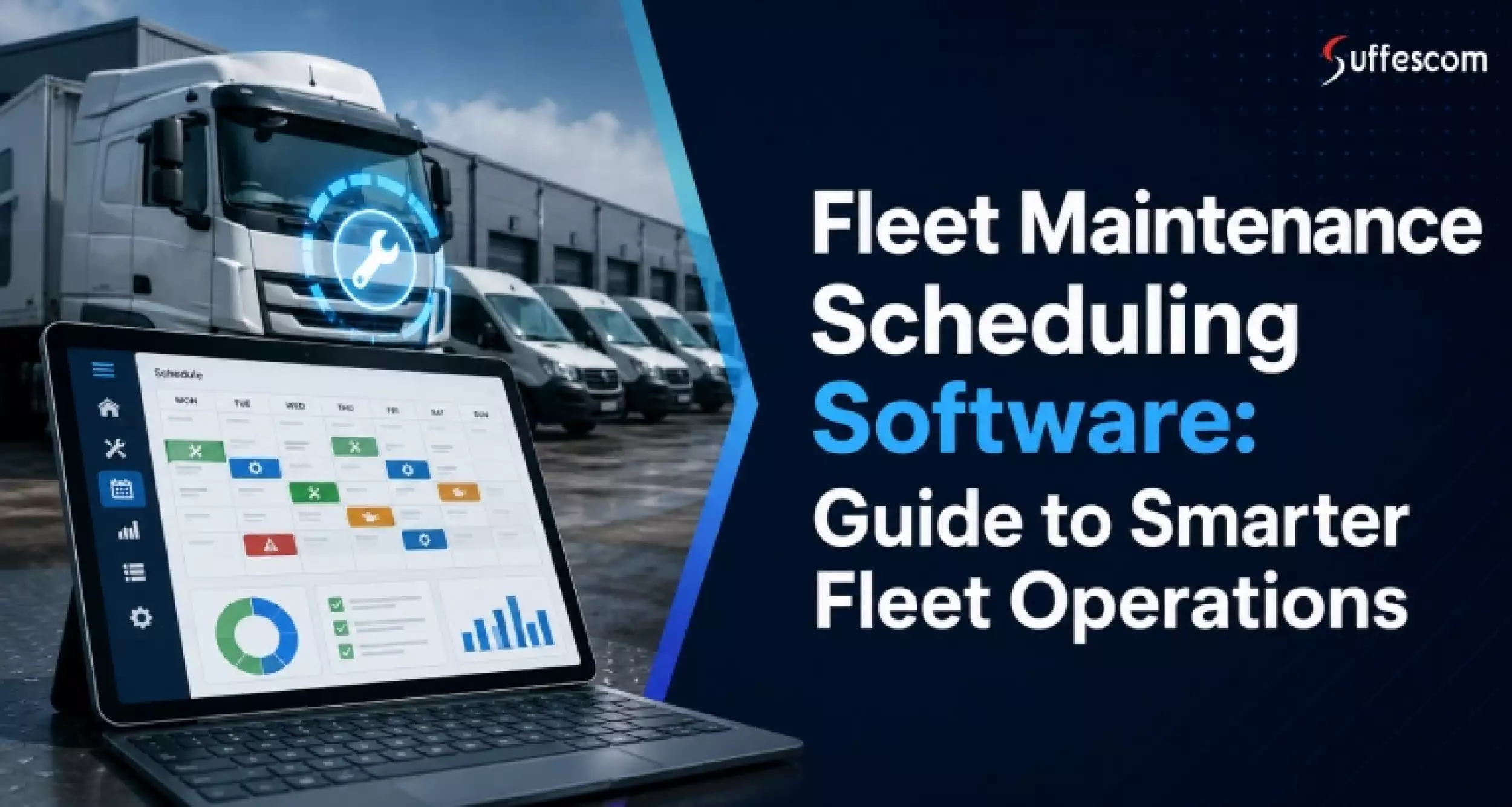
Maintenance scheduling software automates service reminders based on mileage, engine hours, or calendar intervals. This proactive approach reduces breakdown risks and ensures fleet vehicles consistently operate at peak performance.
Driver Reporting Procedures
Drivers serve as the first line of defense against mechanical failures. Standardized reporting procedures allow drivers to document issues quickly, enabling maintenance teams to respond before minor concerns escalate.
Compliance and Safety Requirements
Fleet operators must comply with safety regulations, emissions standards, and inspection requirements. A robust fleet compliance management process helps organizations avoid penalties while maintaining operational continuity.
The Ultimate Car Maintenance Checklist for Fleet Vehicles
Implementing a standardized car maintenance checklist helps fleet managers improve vehicle reliability and maintain consistent service quality across all fleet assets.
Daily Inspection Checklist
Drivers should inspect tires, lights, mirrors, fluid leaks, and dashboard warning indicators before every trip. Daily checks help detect issues early and reduce roadside incidents.
Weekly Maintenance Checklist
Weekly inspections should include tire pressure verification, fluid level checks, battery condition assessments, and windshield maintenance. These routine tasks contribute significantly to fleet vehicle maintenance efficiency.
Monthly Maintenance Checklist
Monthly maintenance activities typically involve brake inspections, engine diagnostics, filter assessments, and suspension checks. Consistent monitoring helps prevent expensive repairs and prolongs vehicle lifespan.
Seasonal Vehicle Maintenance Checklist
Seasonal maintenance prepares vehicles for changing environmental conditions. Businesses should inspect cooling systems, batteries, tires, and HVAC components to maintain performance throughout the year.
Best Practices for Truck Fleet Maintenance
Truck fleet maintenance requires specialized planning due to higher mileage, heavier loads, and demanding operating conditions.
Engine and Transmission Care
Regular engine diagnostics and transmission servicing are essential for commercial trucks. Monitoring performance indicators allows maintenance teams to identify developing issues before they affect productivity.
Tire Management
Proper tire maintenance improves fuel efficiency, enhances safety, and reduces operational costs. Fleet managers should monitor tire pressure, tread depth, alignment, and rotation schedules consistently.
Brake System Maintenance
Brake inspections are critical for heavy-duty vehicles. Proactive maintenance helps prevent safety incidents while ensuring trucks meet transportation and compliance requirements.
DOT Compliance Considerations
Maintaining accurate service records and inspection documentation supports regulatory compliance. Fleet maintenance software simplifies recordkeeping and audit preparation for transportation companies.
Reducing Downtime in Commercial Fleets
Predictive maintenance technologies help organizations anticipate component failures. By addressing problems before breakdowns occur, businesses can improve fleet availability and operational efficiency.
How Fleet Maintenance Software Improves Operational Efficiency
As fleets become increasingly connected, fleet maintenance software plays a central role in managing vehicle performance and maintenance operations.
Automated Maintenance Scheduling
Automated scheduling eliminates manual tracking and ensures vehicles receive service at the appropriate intervals. This reduces missed maintenance events and improves fleet reliability.
Real-Time Vehicle Tracking
Modern fleet management software combines GPS tracking with maintenance insights. Real-time visibility enables organizations to optimize vehicle usage and improve maintenance planning.
Digital Inspection Reports
Digital inspections eliminate paperwork while improving reporting accuracy. Maintenance teams can access real-time vehicle data and prioritize repairs based on operational impact.
Maintenance History Management
Centralized maintenance records provide complete visibility into vehicle health. Historical data helps managers identify recurring issues and make informed replacement decisions.
Cost Tracking and Analytics
Advanced fleet maintenance solutions offer analytics dashboards that monitor repair expenses, maintenance trends, and vehicle performance metrics. These insights support data-driven operational decisions.
Industry Trend: Businesses increasingly invest in custom fleet management software development to integrate telematics, AI diagnostics, predictive maintenance, and EV fleet monitoring into a single platform.
When to Invest in Fleet Maintenance Services and Development Solutions
As fleets grow, organizations often require specialized fleet maintenance services and technology consulting to improve operational efficiency and scalability.
In-House vs. Outsourced Fleet Maintenance Development
Smaller fleets may benefit from outsourced maintenance services, while larger enterprises often invest in custom fleet maintenance software development. The right approach depends on fleet size, operational complexity, and long-term growth objectives.
Benefits of Professional Fleet Maintenance Services
Professional providers offer technical expertise, preventive maintenance programs, compliance support, and advanced diagnostics. Partnering with experienced fleet maintenance consultants helps organizations reduce risks and optimize performance.
Choosing a Fleet Maintenance Software Development Company
Businesses seeking digital transformation should evaluate providers specializing in fleet management software development. Look for expertise in telematics integration, predictive maintenance, mobile applications, IoT connectivity, and cloud-based fleet solutions.
Fleet Technology Consultation for Growing Businesses
Fleet technology consulting helps organizations identify operational gaps and implement scalable solutions. Expert guidance ensures successful adoption of maintenance scheduling software, vehicle tracking systems, and fleet analytics platforms.
EV Fleet Maintenance and Future-Ready Development
As electric vehicle adoption accelerates, businesses require EV fleet maintenance solutions designed for battery monitoring, charging infrastructure management, and predictive diagnostics. Investing early helps organizations prepare for evolving transportation demands.
Choosing the Right Fleet Maintenance Solutions for Your Business
Selecting the right fleet maintenance solution requires balancing operational requirements, scalability, and long-term technology goals.
Essential Features to Consider
Look for maintenance scheduling, inspection management, telematics integration, analytics dashboards, compliance tracking, and mobile accessibility when evaluating fleet maintenance software.
Scalability for Growing Fleets
The chosen platform should accommodate future expansion without requiring significant system replacements. Scalable solutions support additional vehicles, users, and operational locations.
Integration with Fleet Management Systems
Seamless integration between maintenance software and fleet management platforms improves data consistency and operational visibility across the organization.
ROI and Cost Savings
The best fleet maintenance solutions deliver measurable value through reduced downtime, lower repair costs, improved fuel efficiency, and enhanced asset utilization.
Common Fleet Maintenance Challenges and How to Overcome Them
Organizations frequently encounter operational challenges that impact fleet performance and maintenance effectiveness.
Unexpected Breakdowns
Unexpected failures disrupt operations and increase repair expenses. Predictive maintenance technologies help organizations identify risks before they become critical issues.
Rising Maintenance Costs
Tracking repair trends and maintenance spending enables managers to identify inefficiencies and optimize resource allocation across the fleet.
Poor Maintenance Tracking
Manual processes often create visibility gaps. Fleet maintenance software centralizes data and improves maintenance tracking accuracy.
Compliance Risks
Automated compliance monitoring helps organizations maintain inspection schedules, service records, and regulatory documentation efficiently.
Fleet Maintenance KPIs Every Manager Should Track
Monitoring key performance indicators helps organizations evaluate maintenance effectiveness and improve fleet operations.
Vehicle Downtime
Downtime directly impacts productivity and profitability. Tracking this metric helps identify maintenance bottlenecks and service inefficiencies.
Maintenance Cost per Mile
This KPI measures maintenance efficiency and helps businesses understand vehicle operating expenses across the fleet.
Mean Time Between Failures (MTBF)
MTBF provides insight into vehicle reliability and the effectiveness of preventive maintenance programs.
Fleet Availability Rate
Availability rates indicate how often vehicles are operational and ready for deployment, making it a critical fleet performance metric.
Future Trends in Fleet Maintenance
The future of fleet maintenance is increasingly driven by automation, connectivity, and intelligent analytics.
Predictive Maintenance
AI-powered predictive maintenance identifies potential failures before they occur, helping businesses reduce downtime and repair costs.
AI-Powered Diagnostics
Machine learning algorithms analyze vehicle data to improve maintenance accuracy and accelerate issue detection.
IoT Sensors and Telematics
Connected sensors provide real-time vehicle health insights, enabling proactive maintenance decisions and operational optimization.
Connected Fleet Ecosystems
Future fleet maintenance solutions will integrate maintenance management, telematics, EV fleet operations, compliance monitoring, and analytics into unified digital ecosystems.
FAQs
How many vehicles does a company need before fleet maintenance software becomes worthwhile?
While there is no fixed number, businesses managing more than 10 vehicles often benefit from automated maintenance scheduling, centralized records, and performance tracking.
Can fleet maintenance software help predict vehicle replacement timelines?
Yes. Advanced platforms analyze repair history, maintenance costs, mileage, and vehicle performance to identify when replacing a vehicle is more cost-effective than continuing repairs.
What is the ROI of implementing fleet maintenance scheduling software?
ROI typically comes from reduced downtime, fewer emergency repairs, longer vehicle lifespan, improved fuel efficiency, and lower administrative overhead.
How do telematics and fleet maintenance software work together?
Telematics systems provide real-time vehicle data such as mileage, engine diagnostics, and fault codes, allowing maintenance software to trigger service schedules automatically.
Should fleet maintenance software be integrated with ERP or accounting systems?
Integration helps businesses automate work orders, track maintenance expenses, manage inventory, and gain a complete view of fleet operating costs.
What challenges arise when scaling fleet maintenance across multiple locations?
Common challenges include inconsistent maintenance practices, fragmented records, compliance management, and limited visibility. Centralized fleet maintenance platforms help overcome these issues.