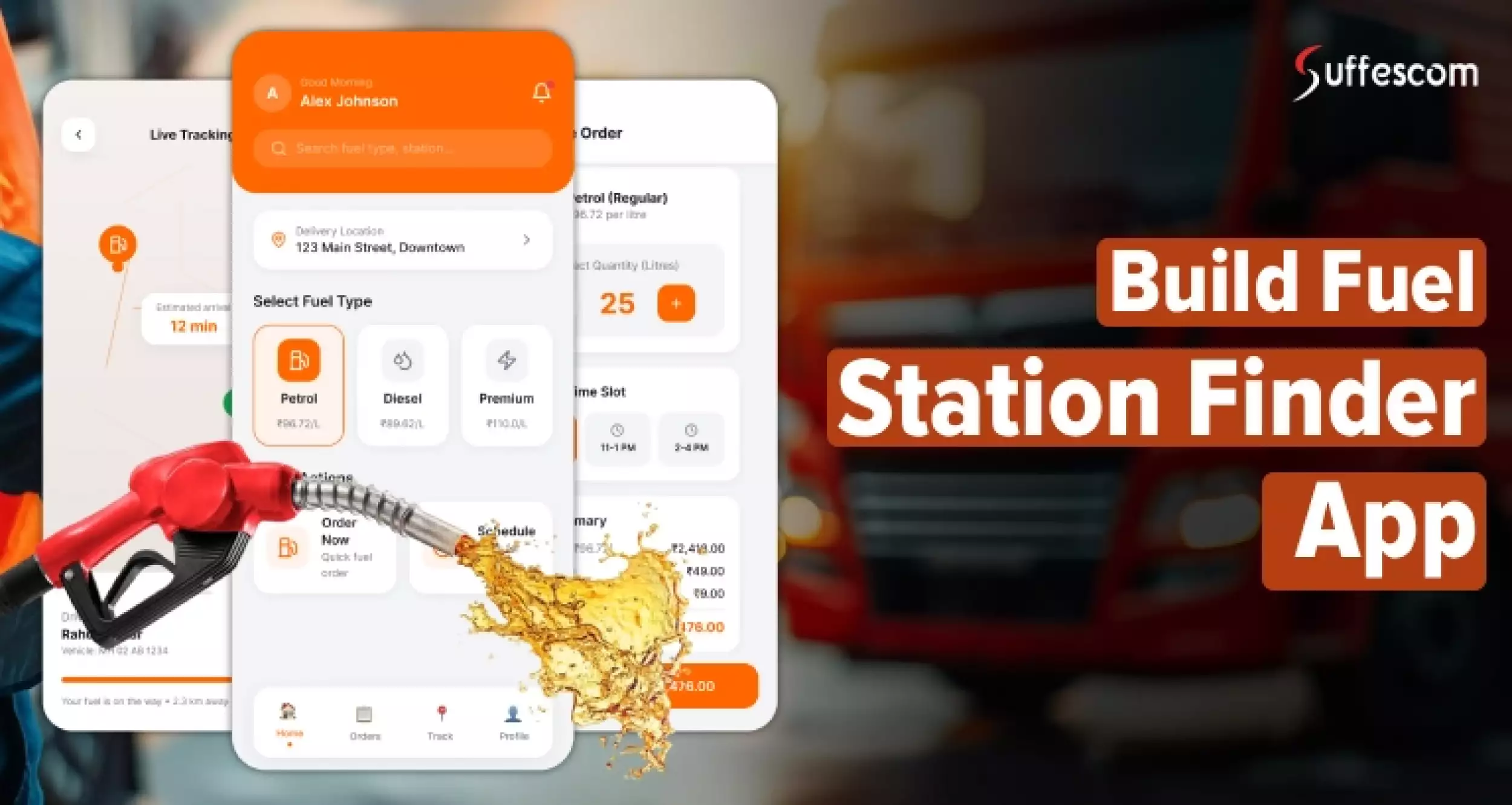
The on-demand mobility and navigation market is changing at a fast pace because of the rising numbers of cars owned by individuals and increased urbanization. Additionally, as the use of electric cars becomes prevalent, apps such as the EV Charging Station Locator App play an integral part in providing a solution to the ever-evolving market needs.
On another hand, rising fluctuations in fuel prices mean that people prefer using applications that can help them get real-time information on fuel prices and the locations of service stations. This means that apps such as the Gas Station Locator App and Nearby Fuel Station Finder App have become indispensable in modern-day navigation.
- Increasing demand for real-time fuel price comparison
- Growth in EV adoption and charging infrastructure
- Rising need for route-based fuel and charging suggestions
- Integration of AI and predictive analytics in navigation apps
- Expansion of multi-service platforms combining fuel and delivery
Businesses investing in a Smart Fuel Station Locator App can tap into a growing market that values convenience, accuracy, and efficiency.
What is a Fuel Station Finder App?
Fuel station locator applications are tools that allow people to find the nearest fuel stations and compare their prices and directions to them. Such applications take advantage of GPS navigation, current data, and map services to give their users the most precise information.
Today's applications offer not just basic services but also such advanced functions as optimizing routes, comparing fuel prices, and finding electric vehicle charging stations. For instance, the Gas Station Locator App enables its users to choose fuel stations according to their preferences.
Additionally, a Nearby Fuel Station Finder application can include reviews and services provided at such stations in addition to their fuel prices, which will help users make their choice easier. With the growth in popularity of electric vehicles, the use of such an application as EV Charging Station Locator App becomes more relevant.
Build Your Fuel Station Finder App Today
Significant Features of a Fuel Finder App
Real-Time Location Tracking
The app uses GPS technology to detect the user’s current location and display nearby fuel stations instantly. This ensures users always find the closest and most convenient option. It enhances user experience by minimizing search time and effort.
Fuel Price Comparison
Users can compare fuel prices across multiple stations in real time. This feature is especially useful in regions with fluctuating fuel costs. It helps users save money by choosing the most cost-effective option.
EV Charging Station Integration
Modern apps include EV charging station data, making them future-ready. This ensures that both traditional fuel users and EV owners can benefit from the same platform. It also increases app usability and reach.
Route Optimization
The app suggests the best routes with fuel stations or charging points along the way. This feature is crucial for long-distance travelers. It ensures efficient trip planning and reduces unnecessary detours.
User Reviews and Ratings
Users can rate and review fuel stations based on their experience. This builds trust and helps others make better decisions. It also encourages service providers to maintain quality standards.
Multiple Payment Integration
Some apps allow users to pay directly through the platform. This adds convenience and reduces dependency on cash or cards at the station. It also speeds up the fueling process.
Top 6 Fuel Station Finder Apps in the USA
Several apps have set benchmarks in the fuel locator space by offering advanced features and seamless user experiences.
GasBuddy
Known for its fuel price comparison feature, GasBuddy helps users find the cheapest gas stations nearby. It has a large user base contributing real-time data.
Waze
Primarily a navigation app, Waze integrates fuel station locations and prices. Its community-driven updates ensure accurate and timely information.
Google Maps
A widely used navigation platform that includes fuel station listings, reviews, and directions. It also supports EV charging station locations.
PlugShare
Focused on EV users, PlugShare provides detailed information about charging stations. It includes availability, pricing, and user reviews.
ChargePoint
A leading EV charging network app offering station locations and real-time availability. It also allows users to manage charging sessions.
Shell App
A brand-specific app that provides fuel station locations, rewards, and payment options. It enhances customer loyalty and engagement.
How a Fuel Station Finder App Works?
A fuel station finder app operates through a combination of GPS, APIs, and real-time data processing.
As soon as the user accesses the application, the location of the user will be determined using GPS systems. The application will then extract information about fuel stations from APIs and display them on a map view screen.
Filters may be used by the users to limit searches for specific fuels and locations among other aspects. The application will provide directions and the expected time required to reach the destination. A more advanced system would include route planner options like the one available in EV charging station locator applications
Technology Stack for Fuel Station Finder App
| Component | Technology |
| Frontend | React Native, Flutter |
| Backend | Node.js, Django |
| Database | MongoDB, PostgreSQL |
| APIs | Google Maps API, OpenChargeMap API |
| Cloud | AWS, Google Cloud |
| Payments | Stripe, PayPal |
| Analytics | Firebase, Mixpanel |
A strong tech stack ensures scalability, performance, and seamless user experience for a Smart Fuel Station Locator App.
Importance of EV Charging Station Finder Integration
1. Supporting the Growing EV Ecosystem
The rise in the adoption of electric vehicles has led to the need for efficient charging systems. The inclusion of electric vehicle charging stations will help the user find charging spots easily. This will make sure that your application remains current with the evolving automotive industry.
2. Expanding the User Base
Adding EV charging capabilities allows the app to serve both traditional fuel vehicle owners and EV drivers. This significantly broadens the potential user base. Businesses can attract a wider audience and increase engagement through a unified mobility platform.
3. Enhancing Travel Convenience
EV drivers often worry about locating charging stations during long trips. With integrated EV station mapping, users can plan routes and identify charging points along the way. This reduces range anxiety and improves the overall travel experience.
4. Future-Proofing the Application
As governments and organizations push for greener transportation, EV usage will continue to grow. Integrating EV charging station features ensures the app remains competitive in the evolving mobility market. It also prepares the platform for upcoming technological advancements.
5. Enabling Smart Route Planning
EV integration allows apps to provide intelligent route suggestions based on charging station availability. Users can optimize their travel routes with scheduled charging stops. This improves efficiency and ensures uninterrupted journeys.
6. Creating Business Partnership Opportunities
Fuel station locator applications that integrate EV chargers can work in tandem with charging networks. This collaboration may result in revenue-sharing models as well as sponsorships. Additionally, it assists companies in creating an ecosystem for themselves in the mobility space.
Benefits of Fuel Station Finder Apps for Users and Businesses
Convenience for Users
Users can quickly locate nearby fuel stations without manual searching. This saves time and effort, especially during emergencies. It enhances overall travel convenience.
Cost Savings
Fuel price comparison helps users choose affordable options. This feature is highly valuable in areas with price fluctuations. It ensures better financial planning for users.
Increased Visibility for Businesses
Fuel stations can attract more customers through app listings. This improves their reach and customer base. It also enhances brand visibility.
Data-Driven Insights
Businesses can analyze user behavior and preferences. This helps in making informed decisions and improving services. It also enables targeted marketing strategies.
Enhanced Customer Engagement
Features like reviews, ratings, and loyalty programs keep users engaged. This improves retention and satisfaction. It also builds long-term customer relationships.
Development Process of a Fuel Station Finder App
Market Research
Understanding user needs and market trends is crucial. This helps identify key features and target audience. It ensures your app meets user expectations.
UI/UX Design
Designing an intuitive interface enhances usability. A well-designed app ensures smooth navigation and engagement. It plays a key role in user retention.
Backend Development
A robust backend manages data, APIs, and user interactions. It ensures seamless functionality and scalability. This is the backbone of the application.
Frontend Development
Developing responsive apps for Android and iOS platforms ensures accessibility. It provides a consistent experience across devices. Performance optimization is also crucial.
Testing & QA
Testing ensures the app is free from bugs and performs well. It includes functional, security, and performance testing. This guarantees a reliable user experience.
Deployment
The app is launched on app stores after final testing. Continuous monitoring ensures smooth performance. Updates and maintenance keep the app relevant.
Challenges in Building a Fuel Station Finder App
Real-Time Data Accuracy
Maintaining accurate fuel prices and availability is challenging. It requires reliable data sources and frequent updates. Ensuring data accuracy is critical for user trust.
Integration with Multiple APIs
The app depends on various APIs for maps, payments, and data. Managing these integrations can be complex. It requires technical expertise for smooth functioning.
Scalability Issues
As the user base grows, the app must handle increased traffic. This requires scalable infrastructure and optimization. Poor scalability can affect performance.
User Retention
Keeping users engaged in a competitive market is difficult. Continuous feature updates and improvements are necessary. Personalization can help improve retention.
Security Concerns
Handling user data and payments requires strong security measures. Any breach can affect user trust. Implementing secure protocols is essential.
Cost to Build a Fuel Station Finder App
| App Type | Estimated Cost |
| Basic App | $10,000 – $20,000 |
| Mid-Level App | $20,000 – $30,000 |
| Advanced App | $30,000 – $50,000+ |
Note: Costs depend on features, integrations, and complexity.
Monetization Strategies for Fuel Station Finder App
A fuel station finder app can earn money from different sources. The primary method is advertising, where fuel stations will pay for their listings.
Another way is to use a commission-based model, earning a percentage from each transaction on the platform.
Subscription-based apps that offer premium services are another way to earn money regularly.
Fuel delivery services from the app can create other sources of income by providing doorstep delivery of fuel.
Fuel and EV charging locator apps USA are another way to earn, where the app can partner with electric vehicle networks and fuel providers.
Some platforms also function as an App to find cheapest gas stations in the USA, attracting a large user base and increasing ad revenue.
Get a Custom Fuel Station Finder App for Your Business
Future Trends in Fuel and EV Charging Finder Apps
The future for fuel and charging apps will be shaped by technologies and innovative services. AI and machine learning will help to analyze behavior and provide recommendations accordingly. The growth in the number of electric vehicles will stimulate developments related to charging points and new functionality of mobile apps.
Integration with smart cars and Internet of Things (IoT) devices is another way of improving user experience in applications. Voice search, support for autonomous vehicles, and analytics are key characteristics of future apps. Companies that invest in such technologies will win competition.
Conclusion
Constructing fuel station finder apps would definitely be worth the efforts in today’s rapidly changing mobility industry. Due to growing interest in convenient and multifunctional platforms that can provide real-time information, companies would be able to develop scalable and profitable solutions for both conventional customers and electric vehicles drivers. By relying on advanced functionalities, user-friendliness, and accurate data, businesses would have good opportunities to become successful players on the market.
Furthermore, adding new functionality like EV charge spots and introducing new monetization models may also contribute to the success.
FAQs
1. How does a fuel station finder app work in the USA?
It uses GPS and APIs to locate nearby stations and provide navigation. Users can also compare prices and services.
2. Can I include EV charging features in the USA-based app?
Yes, integrating EV charging is essential for modern apps. It helps cater to a growing EV user base.
3. What is the cost of building a fuel finder app in the USA?
The cost ranges from $10,000 to $50,000+ depending on features. Advanced apps with AI and EV integration cost more.
4. How long does it take to develop a fuel station finder app?
It usually takes 2–6 months depending on complexity. Custom features may extend the timeline.
5. Can the app provide real-time fuel prices in the USA?
Yes, by integrating APIs, apps can show real-time fuel prices. This helps users find affordable options.
6. Is it possible to add fuel delivery services in the USA?
Yes, apps can integrate delivery features for doorstep fuel service. This enhances convenience for users.
7. What technologies are used in fuel station finder apps?
Technologies include React Native, Node.js, and Google Maps API. Cloud platforms ensure scalability.
8. How can I monetize a fuel station finder app in the USA?
Revenue comes from ads, commissions, and subscriptions. Partnerships with fuel providers also generate income.