Key Takeaways
- Saudi Arabia's healthcare sector is rapidly digitizing, making custom Hospital Management Systems (HMS) a strategic investment for hospitals and healthcare providers.
- A custom hospital management app typically costs $40,000–$250,000+ (SAR 150,000–950,000+), depending on features, integrations, and project complexity.
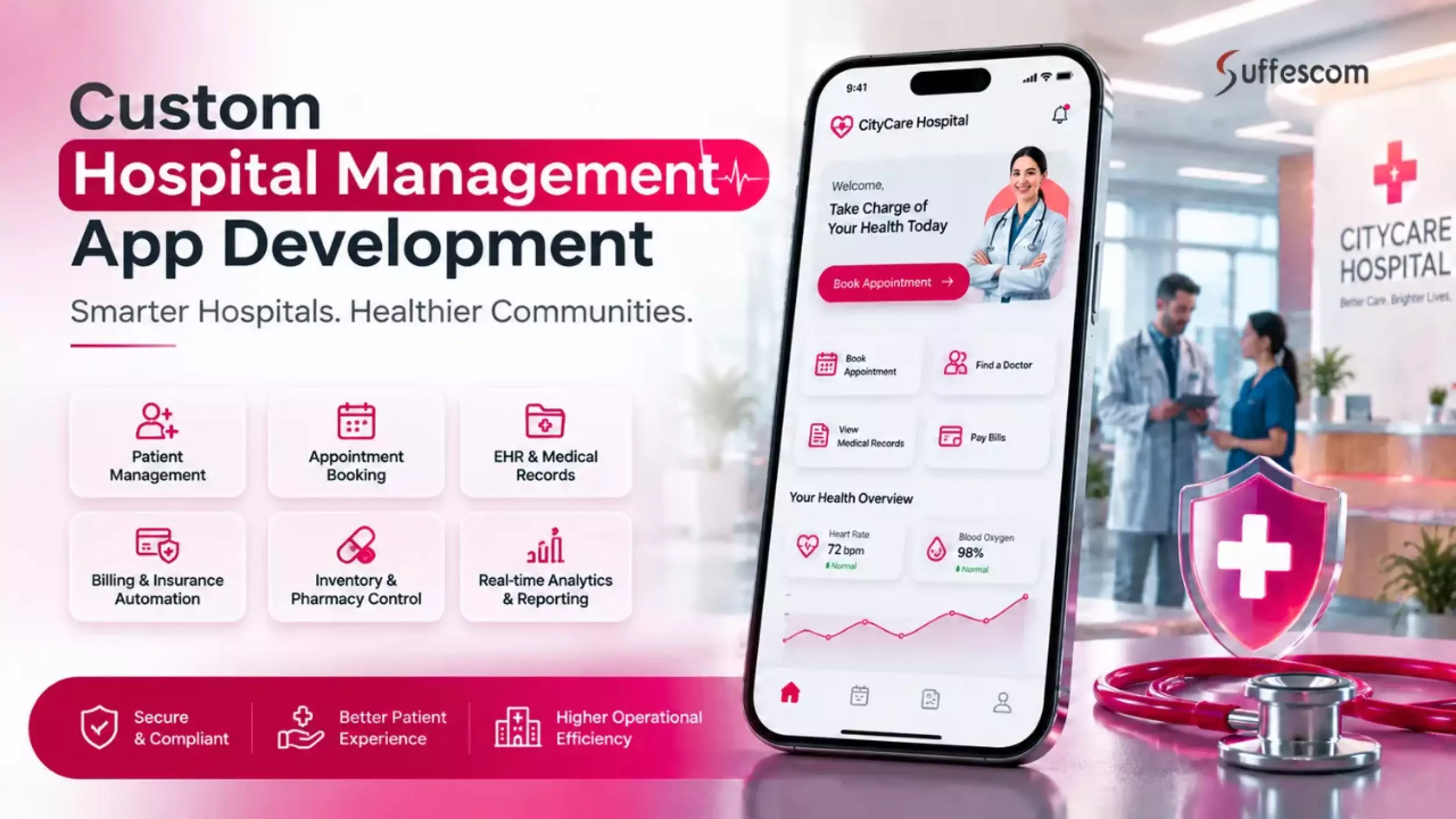
- Modern HMS platforms include patient management, EMR/EHR, appointments, billing, pharmacy, laboratory, insurance, AI, and telemedicine capabilities.
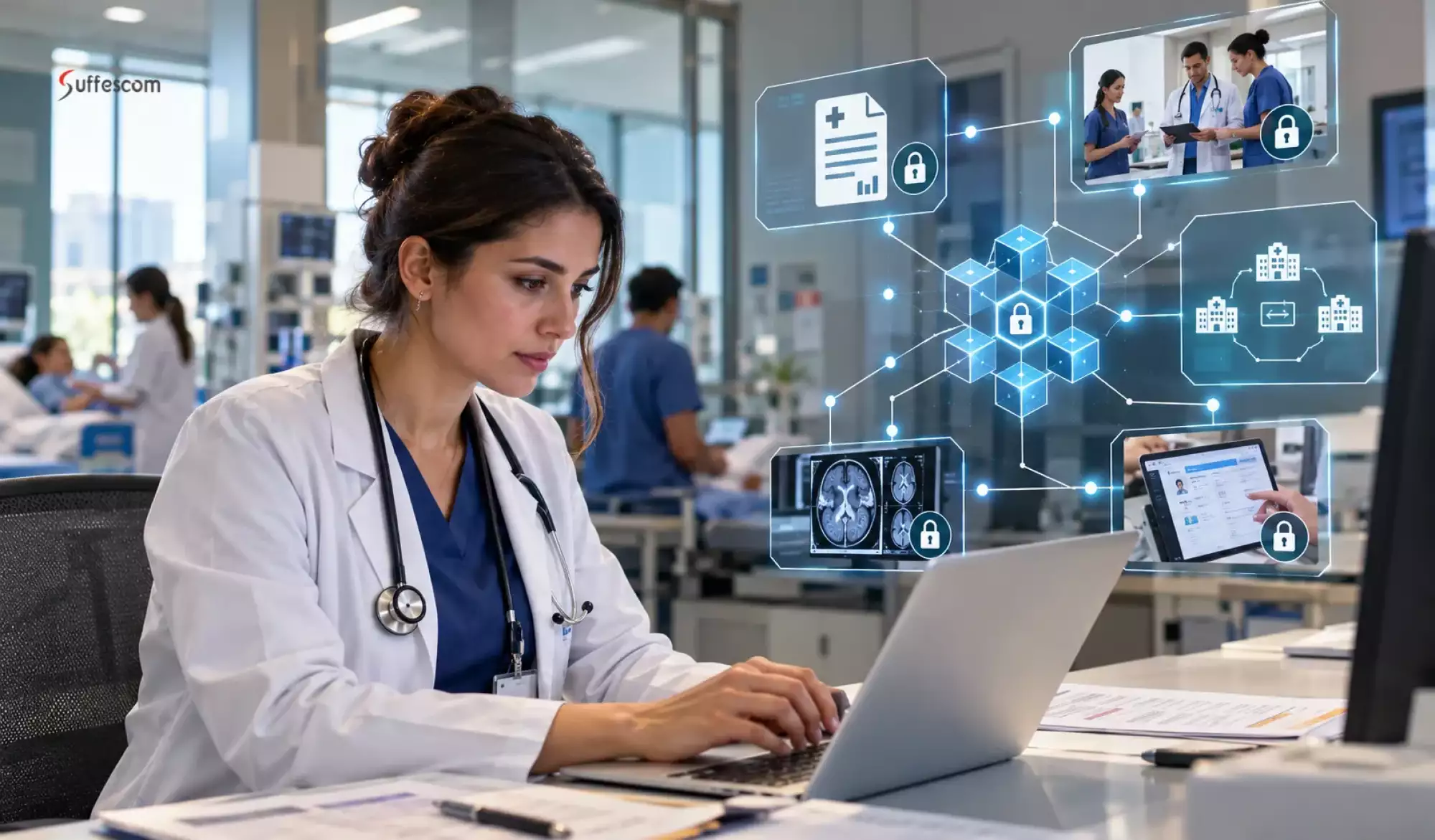
- Successful hospital management solutions integrate seamlessly with NPHIES, EMR/EHR, LIS, RIS/PACS, insurance platforms, and ERP systems for efficient healthcare operations.
- Healthcare applications must comply with Saudi PDPL, NCA cybersecurity guidelines, encryption standards, access controls, and audit requirements to protect sensitive patient data.
- Choosing an experienced hospital management app development company with healthcare domain expertise and strong technical capabilities is essential for long-term project success.
Saudi Arabia's healthcare industry is going through rapid digital transformation driven by Vision 2030, healthcare infrastructure growth, and changing patient preferences. The hospitals that have to cope with more patients and complicated processes are now replacing their outdated systems with custom hospital management applications.
A hospital management system designed for healthcare facilities in Saudi Arabia brings all essential operations into a centralized software platform. It streamlines processes such as patient registration, appointment scheduling, EMR/EHR management, billing, pharmacy, laboratory operations, telemedicine, and reporting. Unlike generic solutions, custom healthcare app development allows hospitals to build a platform tailored to their unique workflows, integrate seamlessly with existing healthcare systems, and support Saudi healthcare requirements, including PDPL compliance and NPHIES interoperability.
The cost of developing a custom hospital management application in Saudi Arabia may depend on several factors, including but not limited to application complexity, number of modules, AI features, integration options, security measures, deployment models, etc. It is crucial to understand these cost components in order to create a scalable and future-proof solution.
This guide will enable you to know more about use cases, features, cost, compliance considerations, development process, and best practices for creating a custom hospital management solution in Saudi Arabia.
Healthcare Digital Transformation in Saudi Arabia
The country is experiencing rapid transformation of the healthcare sector through digital means, with Vision 2030 leading the way in investment in smart hospitals, interoperability, AI, and telemedicine. The government's drive to improve access to healthcare, efficiency, and results has led to an increased uptake of custom hospital management systems in various healthcare organizations.
Vision 2030 and Digital Healthcare in Saudi Arabia
One of the main pillars of the Vision 2030 Health Sector Transformation program is the aspect of digital health. According to the 2025 Health Sector Transformation report (released in 2026), health insurance in Saudi Arabia in different population segments stands at 97.5%, with the average life expectancy of the nation at 79.7 years, which is close to the Vision 2030 benchmark of 80 years.
Smart Hospital Development
Saudi Arabia is experiencing a rise in the development of smart hospitals that use AI, cloud computing, Internet of Things (IoT), and automation technologies. The Seha Virtual Hospital of the Kingdom, one of the biggest virtual hospitals in the world, is now connecting 241 hospitals, serving more than 365,000 beneficiaries, and conducting more than 16 million virtual appointments and consultations in 2025. (2025 Health Sector Transformation Report)
Government Initiatives Accelerating Healthcare Technology
Government programs such as the Health Sector Transformation program, National Patient Health Information Exchange System (NPHIES), and the Ministry of Health's eHealth strategy for Saudi Arabia are making rapid advancements towards digital healthcare technology solutions. Such programs encourage interoperability in health information technology, development of electronic medical records, secure data transfer, and AI-based healthcare services that help doctors offer connected care.
Why Custom Healthcare Apps Are Becoming the Preferred Choice
Since many hospitals have been extending their services to different branches and providing new digital patient experiences, many hospitals are opting for custom healthcare apps instead of traditional software. This way, the hospitals can ensure custom workflow processes and seamless integration with EMR/EHR, billing, laboratory, pharmacy, and insurance systems, with the added feature of bilingual support and security requirements of Saudi Arabia.
What is a Custom Hospital Management App?
A custom hospital management app is a customized software that is used to automate the processes of clinical, administrative, and financial aspects of hospitals. Contrary to commercial software, it is built based on the unique workflow, expertise, compliance regulations, and integration requirements of each healthcare organization.
Definition
Custom HMS is a system for centralizing key hospital activities under one platform. With custom HMS, hospitals are able to control their patient records, schedule, billing, pharmacy services, laboratory activities, employees, supplies, and reports while ensuring secure access to medical data.
How It Works
The hospital management application that is created especially for the needs of a particular hospital provides the integration of all hospital functions in one application and enables the exchange of medical information between departments.
- Patient Registration: Collecting information about patients and creating/finding a digital health record of patients.
- Appointment Scheduling: Scheduling appointments, allocating doctors to patients, and sending out reminders automatically.
- Clinical Workflow: Access to EMR/EHR, updating the diagnoses of doctors, and writing prescriptions.
- Lab and Pharmacy Management: Instant exchange of information about tests requested, test reports, and prescriptions between departments.
- Billing & Insurance: Automation of billing, processing payments, and submitting claims to insurance companies.
- Reports: Generating live reports for operations, finance, and clinical purposes.
- Third-party integration: Integration with EMR/EHR systems, payment gateways, insurance companies, telemedicine, etc.
Difference Between HMS, HIS, ERP, EMR, and EHR
Hospital software is a set of various connected systems with various purposes. Knowing the difference between these systems is helpful for choosing the best one for the company's needs.
| Software | Purpose | Best For |
| Hospital Management System (HMS) | Manages day-to-day hospital operations such as appointments, billing, pharmacy, laboratory, and patient administration. | Clinics & Small Hospitals |
| Hospital Information System (HIS) | Integrates clinical, operational, financial, and administrative processes across the entire hospital. | Multi-specialty Hospitals |
| Hospital ERP Software | Manages enterprise functions including finance, HR, procurement, payroll, inventory, and resource planning. | Large Healthcare Groups |
| Electronic Medical Record (EMR) | Stores digital medical records created and maintained within a single healthcare organization. | Hospitals & Clinics |
| Electronic Health Record (EHR) | Maintains comprehensive patient health records that can be securely shared across multiple healthcare providers. | Healthcare Networks |
Why Saudi Hospitals Need a Custom Hospital Management App
With the development of the healthcare industry in Saudi Arabia, hospitals will have to work towards providing faster, safer, and customized services without compromising on efficiency and compliance with regulations. The increased patient flow, multiple departments, processes related to insurance, and digital health require something other than simple software solutions to become more effective. Custom Hospital Management App
Management of a Large Number of Patients
Every day, a hospital or clinic receives hundreds of thousands of patients who go through various procedures such as registration, appointments, diagnostics, treatment, and billing. In most cases, it is difficult to keep up with the workload and organize everything manually, using several different applications. A custom hospital management app automates the whole process.
Arabic & English Interface for Users
Medical facilities operate not only with patients but also with numerous specialists who use the platform. As a result, it is important to develop custom software that will have an Arabic and English user-friendly interface.
Multi-Branch Hospital Operations
Most healthcare companies have various hospitals, clinics, or specialty centers at several different locations. Having a central hospital management software helps to manage the patients' data, scheduling, inventory management, accounting, and performance monitoring of all branches from a single software.
Insurance & Claims Automation
Verification of insurance and claims processing is time-consuming if done manually. It is possible to develop custom hospital management software to automate the process of eligibility verification, claims submission, billing processes, and payments while providing integration capabilities with insurance providers and national healthcare platforms.
Regulatory Compliance Requirements
Healthcare providers have to follow the changing regulations regarding data protection and healthcare services in Saudi Arabia, including PDPL and NPHIES standards, and also cybersecurity requirements. The custom hospital management software can be built with the required features to facilitate the meeting of these requirements.
Improved Operational Efficiency
In a centralized system, there is no wastage of time, and dependence on multiple systems that are not interlinked is reduced. Integration of various departments, such as the pharmacy, laboratory, radiology, billing, inventory, and administrative departments, will aid hospitals in achieving collaboration, saving costs, reducing errors, and making informed decisions.
Improved Patient Experience
The patient population today demands easy access to healthcare through digital means. Digital capabilities that include appointment scheduling, digital health records, telehealth visits, drug prescriptions, alerts, payment methods, and patient portals increase the ease of use and engagement levels of patients. A custom hospital management app enables healthcare providers to deliver a more seamless and personalized patient experience while improving satisfaction and long-term retention.
Build a Custom Hospital Management App Designed for Saudi Healthcare Requirements
Top Use Cases of Custom Hospital Management Apps in Saudi Arabia
Hospital management software is basically a platform that ensures efficient clinical, administrative, and financial activities in healthcare organizations. No matter whether it is a small private clinic or a multi-specialty hospital or even an extensive healthcare network, all of these solutions help streamline processes and collaborate between different departments. Here are some of the most important applications of hospital management systems in Saudi Arabia.
Patient Registration and Digitalization of Records
The digital patient registration module helps eliminate paperwork and makes all the patient data available through one central repository that includes demographic data, medical history, prescriptions, lab results, and other records.
Module Overview
The module helps automate the process of patient onboarding and creates a unique profile of each patient, which can be easily accessed during the treatment period.
Key Functionalities
- Digital patient registration
- Electronic medical records (EMR)
- Patient history management
- Document upload and storage
- Digital consent forms
- Patient search and record retrieval
Business Benefits for Hospitals
- Reduces paperwork and manual data entry.
- Accelerates patient registration and admissions.
- Eliminates duplicate patient records.
- Improves collaboration across departments.
- Enables faster access to patient information.
- Supports better clinical decision-making.
Implementation Considerations
- Migrate legacy patient records securely.
- Implement role-based access controls.
- Support Arabic and English interfaces.
- Ensure compliance with PDPL and NPHIES requirements.
- Integrate with billing, laboratory, pharmacy, and appointment systems.
- Plan user training and phased deployment.
Development Cost Impact
Cost Impact: Medium to High
The cost of development will depend on the scale of patient records management to be supported, EMR/EHR functionality, data migration needs, security measures, and third-party integrations. Additional features like document management, auditing, cloud synchronization, and integration with the current system can contribute even more to the cost of development.
Recommended Integrations
- EMR/EHR systems
- Laboratory Information System (LIS)
- Radiology Information System (RIS)
- Pharmacy Management System
- Billing & Payment Gateway
- Insurance Provider APIs
- Patient Portal
Online Appointment Scheduling
The online appointment scheduling system enables the patient to book, reschedule, or cancel an appointment either through a web-based portal or even the mobile phone application. It provides the details of the availability of doctors at all times, sends out automated reminders, and reduces administrative hassle.
Smart Scheduling & Queue Management
Scheduling of doctors’ appointments, queue management, and reduction of waiting time by using real-time scheduling.
Patient Engagement & Efficient Operation
Cut down on no-shows by using reminder services while efficiently utilizing resources to provide an easy appointment process for the patients.
Doctor Management Dashboard
The Doctor Management Dashboard provides doctors with one place where they can have access to patients' information, appointments, prescriptions, laboratory test results, and treatment history.
Centralized Clinical Workspace
View all the details related to patient information, medical history, diagnosis reports, and consultation schedules in one place.
Clinical Decision-Making Faster
Facilitate doctors to look into live data about patients, modify their treatment strategies, and work together smoothly with other departments.
Nurse Workflow Automation
Streamlines routine clinical processes like drug dispensing, patient observation, documentation of treatment, and scheduling shifts. Streamlines communication among healthcare teams without involving manual documentation and errors.
Care Coordination Automated
Schedule nursing activities, enter vital signs, and monitor the medication schedule in a care process workflow.
Patient Safety Improvement
Ensure the safety of patients through the reduction of documentation errors and timely care through good communication between the physician and the nurses.
Laboratory Information Management
A Laboratory Information Management System (LIS) is responsible for the automation of all the laboratory activities, ranging from specimen collection and testing of the sample through to results verification and reporting.
Streamlined Sample Processing
Track samples throughout the testing lifecycle with automated workflows and status updates.
Faster Diagnostic Reporting
Send laboratory reports to physicians and add them to patient records for fast decision-making.
Radiology Information System (RIS)
Facilitates the process of conducting medical examinations, including the scheduling of imaging tests, generation of imaging reports, and storage of images. RIS works together with PACS and EMR systems.
Efficient Imaging Workflow
Schedule imaging procedures, manage radiology requests, and organize reports from a single platform.
Integrated Diagnostic Access
Ensure secure access to imaging data for healthcare professionals, thus promoting collaboration and care planning.
Pharmacy Management
Pharmacy management software allows the automation of prescriptions, dispensing, inventory tracking, and restocking of medicines. This feature helps hospitals in the efficient management of prescriptions and medications.
Smart Pharmacy Management
Prescriptions can be managed, drug inventory monitored, and expiry dates of medicines tracked through automated processes.
Efficiency in Inventory & Prescription Management
Stockouts, dispensing mistakes, and other inefficiencies in the management of prescriptions can be prevented.
Billing & Revenue Cycle Management
The module of billing and revenue cycle management enables patient billing, insurance claims, payment collections, and financial reporting. This is done by increasing efficiency and reducing errors associated with the process.
Automation in Billing Processes
Generating and managing billing processes becomes easier with this software.
Improved Financial Performance
Efficiently handle claims, streamline your finances, and monitor the hospital’s income in real-time.
Insurance Claim Processing
The process streamlines the insurance claim procedure by automating eligibility verification, claim submission, reimbursement tracking, and payment processing.
Faster Claims Processing
Verify the insurance and submit claims automatically to speed up the process.
Improved Claims Success
Ensure the accuracy of the documents and keep track of the claims to make more payments successful.
Telemedicine Consultations
Telemedicine is a solution that allows healthcare professionals to provide remote and secure consultations through video conferencing, phone, and online messaging. The tool improves access to care and prevents unnecessary visits to hospitals.
Remote Healthcare Service Delivery
Provide consultations, conduct follow-ups, and issue prescriptions remotely using the online platform.
Access Healthcare Remotely
Provide access to high-quality healthcare for the remote population and conduct follow-up treatments.
ICU & Critical Care Monitoring
ICU and critical care monitoring allow hospitals to monitor their patients’ vital signs in real time through integration with medical devices. It helps to address emergencies and improve the outcomes of critically ill patients.
Continuous Vital Parameters Monitoring
Keep track of the vitals and be informed about the critical changes instantly.
Faster Emergency Response
Give doctors valuable information to allow them to react quickly and make decisions about treatment.
Emergency Department Management
This module will help you manage patients in an efficient way and shorten the time they need to spend in the hospital.
Smart Triage & Patient Flow
Triage of critical cases, patient lines, and management of the process of work in emergency departments.
Resource Optimization
Help you coordinate the work of emergency departments, beds, and other medical resources.
Bed & Ward Management
This module will allow you to monitor all information concerning patients' bed occupancy, admission, transfer, and discharge.
Real-Time Bed Allocation
Track bed availability across departments and automate patient admissions and transfers.
Optimized Hospital Capacity
Reduce occupancy bottlenecks and improve resource utilization through centralized ward management.
Inventory & Medical Asset Management
The inventory and medical asset management assist hospitals in monitoring the status of the medical supplies, equipment, and consumables through a single platform. It will ensure that all necessary assets are available at any time and help in minimizing operational costs.
Inventory Tracking & Stock Management
Control the inventory levels, automate stock replenishment, and schedule maintenance for equipment.
Avoid Wastage & Optimize Asset Usage
Avoid stockouts, control asset usage, and optimize procurement through real-time insights.
Clinical Decision Support Using AI Technology
Analyze the patient’s data, history, laboratory findings, clinical patterns, and other information that helps clinicians make timely decisions.
AI-Assisted Clinical Decision Support
Use AI technology to analyze health risks, provide treatment options, and make clinical decisions.
Healthcare Predictive Analysis
Analysis of the patient trends helps in early intervention and outcome optimization.
Remote Patient Monitoring
Remote patient monitoring is the process of tracking the patient’s health out of the hospital with the help of medical devices and wearable technology.
Continuous Health Monitoring
Monitor vital signs remotely and receive real-time alerts for abnormal health conditions.
Better Chronic Care Management
Improve long-term care for patients with chronic conditions through proactive monitoring and timely interventions.
Table: Hospital Management App Use Cases at a Glance
| Use Case | Primary Users | Business Value |
| Patient Registration & Digital Records | Receptionists, Doctors | Faster patient onboarding and centralized medical records |
| Online Appointment Scheduling | Patients, Front Desk | Reduces no-shows and simplifies appointment management |
| Doctor Management Dashboard | Doctors | Provides instant access to patient records and schedules |
| Nurse Workflow Automation | Nurses | Improves care coordination and reduces manual documentation |
| Laboratory Information Management | Lab Technicians | Streamlines test processing and report management |
| Radiology Information System (RIS) | Radiologists | Optimizes imaging workflows and report sharing |
| Pharmacy Management | Pharmacists | Automates medication dispensing and inventory tracking |
| Billing & Revenue Cycle Management | Finance Teams | Improves billing accuracy and accelerates revenue collection |
| Insurance Claim Processing | Billing & Insurance Teams | Speeds up claim approvals and reduces rejections |
| Telemedicine Consultations | Doctors & Patients | Expands access to remote healthcare services |
| ICU & Critical Care Monitoring | ICU Staff | Enables real-time patient monitoring and faster intervention |
| Emergency Department Management | Emergency Teams | Improves triage, patient flow, and emergency response |
| Bed & Ward Management | Hospital Administrators | Optimizes bed allocation and occupancy management |
| Inventory & Medical Asset Management | Procurement & Operations | Tracks medical supplies and reduces inventory waste |
| AI-Based Clinical Decision Support | Doctors | Assists with diagnosis, treatment planning, and predictive analytics |
| Remote Patient Monitoring | Care Teams | Supports continuous monitoring and reduces hospital readmissions |
Essential Features of a Modern Hospital Management App
An advanced hospital management application not only automates the functioning of a hospital; it creates an entire ecosystem that ensures enhanced patient experience, increased efficiency in administrative workflows, and better-informed decisions. Here is a list of features every healthcare provider needs to take into consideration when creating a customized hospital management app in Saudi Arabia.
Patient Portal
This function enables patients to book an appointment, view their medical record and prescription, view test results, pay online, and contact the hospital staff safely. The tool enhances patient involvement and reduces workload on administrative staff.
Doctor Portal
It gives doctors the possibility to access patients' histories, EMR/EHR records, laboratory reports, prescriptions, and appointments. In addition, doctors can record consultation information and send out electronic prescriptions.
Admin Dashboard
The administration dashboard becomes a control center of the entire hospital where administrators can keep track of the workflow of both patients and staff and monitor financial metrics, appointments, inventory, and other aspects.
Staff Management
This module automates the staff scheduling process and management of leaves and shifts, in addition to providing role-based access control for the users of the software. This module increases productivity in the workforce as well as ensures that the right healthcare professionals are available at all times.
Appointment Scheduling
The appointment management system integration feature facilitates booking, rescheduling, or cancellation of appointments for patients in an easy and convenient manner. Automated reminder features, queue management, and calendar syncing are some of the features provided by this module.
EMR and EHR Management
EMR/EHR modules serve as a secure database that holds the medical record, diagnosis, prescriptions, lab reports, and treatment information of the patient. This module helps authorized healthcare professionals to access the clinical data immediately.
E-Prescription Module
The e-prescription module of the software helps doctors to prepare prescriptions in digital form. This reduces prescription errors, increases tracking of medication, and speeds up the process.
Laboratory Management
The laboratory management module facilitates the request for tests, testing, validation, and reporting. It integrates with patient record-keeping to ensure immediate availability of diagnostic information.
Pharmacy Management
This feature manages medication inventory, prescription processing, stock levels, expiry tracking, and procurement. It helps prevent stock shortages, reduces medication errors, and ensures efficient pharmacy operations.
Billing & Invoicing
An automated billing system simplifies invoice generation, payment collection, insurance billing, tax calculations, and financial reporting. It improves billing accuracy while reducing administrative effort.
Insurance Verification
Insurance verification enables hospitals to validate patient eligibility, process claims, and track reimbursements through integrated insurance platforms. Automated workflows reduce claim denials and speed up revenue collection.
Analytics & Reporting Dashboard
An analytics dashboard consolidates operational, clinical, and financial data into actionable reports. Hospitals can monitor key performance indicators, patient trends, resource utilization, and revenue metrics, enabling continuous process improvement and strategic planning.
Develop an AI-Powered Hospital Management System for Smarter Healthcare Delivery
Discuss Your Hospital App Requirements
Hospital Management App Development Cost in Saudi Arabia
The cost of custom hospital management app development in Saudi Arabia depends on the complexity of the application, the number of its modules, the method of deployment, and additional features like AI and IoT. Whereas the simple system can include the functionality of patient management and appointment scheduling, the enterprise systems have many more components like EMR/EHR, telemedicine, insurance, analytics, and management of multiple branches, which increases the development cost of the platform.
In addition to the development budget, there are other expenses to consider when developing custom hospital management software, such as cloud computing infrastructure, integration with third-party tools, security, compliance, testing, and maintenance. Knowing what goes into the price will help healthcare institutions choose a suitable solution.
Average Development Cost
On average, the price of developing a custom hospital management app in Saudi Arabia starts at around USD 40,000 and can go up to USD 250,000+ (SAR 150,000 to SAR 950,000+) depending on the project details. The final investment depends on the project's scope, required features, integrations, security requirements, and level of customization.
Cost Based on Application Complexity
| App Type | Estimated Cost (USD) | Estimated Cost (SAR) | Development Timeline |
| Basic MVP App | 40,000–70,000 | 150,000–260,000 | 4–6 Months |
| Standard HMS | 70,000–120,000 | 260,000–450,000 | 6–8 Months |
| Enterprise Hospital Platform | 120,000–180,000 | 450,000–675,000 | 8–10 Months |
| AI-Powered Hospital Ecosystem | 180,000–250,000+ | 675,000–950,000+ | 10–12+ Months |
Cost Breakdown by Development Module
| Module | Estimated Cost (USD) | Estimated Cost (SAR) | Cost Impact | Development Complexity |
| Patient Management | 5,000–10,000 | 18,750–37,500 | Medium | Medium |
| EMR/EHR | 15,000–35,000 | 56,250–131,250 | High | High |
| Billing & Payments | 6,000–12,000 | 22,500–45,000 | Medium | Medium |
| Pharmacy | 6,000–12,000 | 22,500–45,000 | Medium | Medium |
| Laboratory | 8,000–15,000 | 30,000–56,250 | Medium | Medium |
| Telemedicine | 12,000–25,000 | 45,000–93,750 | High | High |
| AI Analytics | 15,000–30,000 | 56,250–112,500 | High | High |
| IoT Monitoring | 10,000–25,000 | 37,500–93,750 | High | High |
Factors Affecting Development Cost
There are several aspects that determine the price of custom hospital management app development in Saudi Arabia. The higher the requirements, the higher the development complexity, implementation period, and overall development expenses.
- Number of Modules: Another important factor in setting the price is the scope of the project; more functionality means more work for development and testing.
- Roles of Users: Normally, a hospital may have several types of users, like patients, doctors, nurses, pharmacists, laboratory technicians, receptionists, finance staff, and administration, and all of them require their personalized dashboards and access rights.
- Mobile Applications: Development of mobile applications for users and employees, along with a web backend, entails additional efforts.
- Web Portal: There should be a centralized web dashboard for the administration that allows monitoring processes, generating reports, managing staff, and controlling finance. The advanced reporting, access control, and analytics will cost more.
- Cloud Infrastructure: Utilization of cloud computing resources like AWS, Microsoft Azure, and Google Cloud improves the application’s scalability and reliability during downtimes.
- AI Features: AI-driven features like decision support systems, prediction analytics, medical coding help, chatbots, and risk assessments need special design, processing, and integration and are among the most expensive features.
- IoT: Integration with wearable devices, ICU machines, patients’ monitoring tools, and other interconnected medical equipment is required to ensure secure and reliable real-time data transmission.
- Third-Party Integrations: Integration with EMR/EHR systems, NPHIES, insurance firms, payment gateways, labs, pharmacies, and notification service providers involves additional development efforts, testing, and support.
- Security Requirements: The application should be supplied with state-of-the-art security capabilities, which include end-to-end encryption, multi-factor authentication, role-based access, log auditing, API security, and threat detection capabilities.
- Regulatory Compliance Requirements: In order for the app to meet Saudi Arabia's regulatory requirements, it should be PDPL-compliant, meet the interoperability requirements of NPHIES, and adhere to the cybersecurity recommendations.
- Maintenance & Support: After launching the app, there will be additional expenses related to monitoring of servers, fixing bugs, security updates, new feature implementation, performance tuning, management of cloud infrastructure, etc.
Hospital Management App Cost by Hospital Type in Saudi Arabia
The budget for developing a hospital management application depends on many factors, including the size of the healthcare institution, user numbers, the level of complexity, and integration needs. While small medical facilities may do fine with simple modules for managing patients and appointments, bigger hospitals need full-featured platforms with advanced capabilities and the ability to integrate with the country's healthcare system.
Selecting the appropriate solution, depending on your type of hospital, will help save money on development while enabling you to scale the platform as your business grows.
Small Medical Facilities
A small clinic will need a simple HMS to have certain capabilities, such as patient registration, scheduling, billing, e-prescriptions, and reporting.
Specialized Clinics
Such clinics deal with a certain sphere of medicine and, accordingly, will need specialized features, which imply the need for extra modules. These may include EMR, laboratory management, imaging, and treatment management.
Private Hospitals
Private hospitals will need an all-around hospital management system. In addition to other functionalities like reporting, private hospitals usually have such needs as EMR/EHR management, pharmacy management, laboratory management, radiology, billing, insurance claims, inventory management, and patients' portals.
Government Hospitals
Government healthcare institutions need highly secure solutions that can handle a great number of patients and many departments. In addition to this, they have to meet certain compliance, interoperability, and security standards and, usually, have integrations with the national healthcare platform, such as NPHIES.
Hospital Chains
Hospital networks that manage several branches have a need for enterprise software that facilitates unified patient information, reporting, workflow, and branch-level management. Enterprise-level software often involves AI analysis capabilities, cloud computing capabilities, and third-party integration.
Multi-Speciality Medical Centres
There is a need for flexible solutions that facilitate multiple departments, specialist workflows, diagnostics, pharmaceuticals management, billing, and telemedicine for multispecialty medical centers. Future scalability of the solution to accommodate new services is also essential.
| Hospital Type | Recommended Solution | Estimated Budget (SAR) | Recommended Modules |
| Small Clinic | Basic HMS | 150,000–225,000 | Patient Management, Appointments, Billing, E-Prescriptions |
| Specialty Clinic | Standard HMS | 225,000–340,000 | EMR, Scheduling, Billing, Pharmacy, Specialty Workflows |
| Private Hospital | Enterprise HMS | 340,000–675,000 | EMR/EHR, Laboratory, Pharmacy, Billing, Insurance, Inventory |
| Government Hospital | Enterprise + Integrations | 565,000–950,000+ | NPHIES Integration, Multi-Department Management, Analytics, Compliance |
| Hospital Group | Multi-Tenant Platform | 675,000–950,000+ | Multi-Branch Management, AI Analytics, Telemedicine, ERP, Centralized Reporting |
| Multi-Specialty Medical Center | Enterprise HMS | 450,000–825,000 | EMR/EHR, Laboratory, RIS, Pharmacy, Telemedicine, Insurance, Analytics |
Hidden Costs of Custom Hospital Management App Development in Saudi Arabia
When developing a hospital management application, most healthcare organizations consider only the cost of development. There is a whole range of other costs that may occur prior to, throughout, and after the deployment of an application. Taking into consideration these costs allows hospitals to avoid any unforeseen expenses and ensures proper implementation of the app.
Costs Associated with UI/UX Design
Having an excellent user interface increases efficiency for doctors, nurses, administrative workers, and clients. To design a high-quality, user-friendly dashboard, as well as an Arabic and English interface of the application, it is necessary to conduct research in this sphere and test the prototype.
Costs of Third-Party API Integrations
The majority of applications for hospital management require integration with EMR/EHR, insurance companies, payment solutions, laboratory systems, pharmacies, SMS and WhatsApp services, and the government healthcare platform like NPHIES. All these integrations require the development, testing, and maintenance of APIs.
Cloud Hosting & Infrastructure Costs
It doesn't matter whether the application will be hosted on AWS, Microsoft Azure, or Google Cloud; all these factors require hospitals to allocate funds for cloud hosting, databases, backup, etc.
Data Migration from Legacy Systems
Migration of existing patient files, financial data, medical history, and operational details from old software into the new software system can be among the most difficult stages of implementation.
Cybersecurity & Penetration Testing Costs
Since healthcare applications hold very sensitive information about patients, cybersecurity is essential for their protection. Penetration testing, vulnerability assessments, and security monitoring help discover any vulnerabilities and risks that could threaten operations in the hospital.
PDPL Compliance & Security Audit Costs
Meeting Saudi Arabia's Personal Data Protection Law (PDPL) and applicable healthcare cybersecurity requirements may require compliance assessments, documentation, security audits, policy updates, and periodic reviews. These activities involve both one-time implementation costs and recurring compliance expenses.
Staff Training & Change Management Costs
A new healthcare management system needs adequate employee training to facilitate ease of adaptation. Hospitals need to dedicate time and effort to provide training sessions, documentation, seminars, and technical support to assist the staff in adapting from old methods to the new system.
Yearly Maintenance & Support Costs
The software needs regular maintenance after its implementation to maintain optimum efficiency. Regular costs may be related to bug fixing, monitoring of servers, software updating, security patches, cloud infrastructure, and technical support.
Future Enhancements & Upgrades
As healthcare technology changes, hospitals need to think about future upgrades that will make the software more useful. Hospitals need to prepare budgets to facilitate future additions such as AI features and other functionalities.
| Cost Component | One-Time / Recurring | Budget Impact |
| UI/UX Design | One-Time | Medium |
| API Integrations | One-Time | Medium–High |
| Cloud Infrastructure | Recurring | Medium |
| Data Migration | One-Time | Medium–High |
| Security Testing | One-Time + Recurring | High |
| Compliance Audits | Recurring | Medium |
| Staff Training | One-Time | Medium |
| Maintenance & Support | Recurring | High |
| Feature Enhancements | Recurring | Variable |
Get an Estimate for Your Custom Hospital Management App Development Cost
Hospital Management App Development Process
To develop an application for hospital management, it is necessary to have a certain approach, which should take into account not only the workflow in the medical organization but also regulatory compliance and technological aspects. Adhering to a particular development process will allow hospitals to avoid potential difficulties and implement an application faster.
Requirement Discovery & Business Analysis
A process of developing an application starts with an analysis of the hospital's requirements, business objectives, and its current workflow. This stage includes the definition of stakeholders, roles of users, priorities of features, legacy analysis, and creation of a roadmap. Requirement discovery allows for minimizing changes in scope and ensuring that the solution fits the organization.
Compliance Planning
Any healthcare application needs to be created with compliance in mind at the beginning of development. At this stage, developers should define necessary regulations, such as PDPL, NPHIES, cybersecurity, etc., as well as create data governance, data access, audit logging, and data encryption strategies.
UI/UX Design
This involves developing user-friendly journey experiences and interfaces for users that include patients, physicians, nurses, administration, and others in the healthcare field. The creation of wireframes, interactive prototypes, and usability testing helps in achieving user-friendly navigability, multilingual support for the application, and increased productivity.
Architecture Design
It entails the development of the technical architecture of the application in terms of how it should be structured and scaled to achieve high performance and availability. It involves making decisions about technology stack, database architecture, deployment architecture, API architecture, security architecture, and integration architecture.
Backend Development
Backend development focuses on building the application's core functionality, including patient management, appointment scheduling, EMR/EHR, billing, pharmacy, laboratory, inventory, user authentication, and business logic. Developers also implement secure APIs and database management to support reliable data exchange across the platform.
Mobile App Development
Mobile applications help patients and healthcare professionals access appointments, medical records, notifications, telemedicine, and other essential services conveniently. A well-planned mobile app development ensures secure, scalable, and user-friendly applications across Android and iOS platforms using frameworks such as Flutter or React Native.
API Development
APIs enable seamless communication between the hospital management app and third-party systems such as EMR/EHR platforms, laboratory systems, insurance providers, payment gateways, pharmacy software, and government healthcare platforms. Well-designed APIs improve interoperability while ensuring secure and reliable data exchange.
Quality Assurance & Testing
Before deployment, the application undergoes comprehensive testing to verify functionality, usability, security, performance, and compatibility. Testing includes unit testing, integration testing, user acceptance testing (UAT), vulnerability assessments, and performance testing to ensure the platform operates reliably under real-world conditions.
Deployment
Once testing is complete, the application is deployed to the production environment. This phase includes server configuration, cloud setup, database migration, security validation, user onboarding, and final system verification to ensure a smooth transition with minimal disruption to hospital operations.
Ongoing Maintenance & Optimization
Post-launch support is essential for maintaining system performance, security, and compliance. Regular updates, bug fixes, feature enhancements, infrastructure monitoring, performance optimization, and security patches help ensure the hospital management app continues to meet evolving business and regulatory requirements while supporting future growth.
Technology Stack for Hospital Management App
Choosing the right technology stack is essential for building a secure, scalable, and high-performing hospital management app. The ideal stack should support seamless integrations, real-time data processing, cloud deployment, robust security, and future enhancements such as AI and IoT. Below are the commonly used technologies for developing modern hospital management software in Saudi Arabia.
| Layer | Recommended Technologies |
| Frontend | React.js, Angular |
| Mobile | Flutter, React Native |
| Backend | NET, Java, Node.js |
| Database | PostgreSQL, MySQL |
| Cloud | AWS, Microsoft Azure, Google Cloud |
| AI/ML | TensorFlow, OpenAI APIs |
| DevOps | Docker, Kubernetes |
| Security | OAuth 2.0, JWT, Multi-Factor Authentication (MFA) |
Hospital Management App Integrations Every Saudi Healthcare Provider Should Consider
A hospital management app delivers maximum value when it seamlessly integrates with existing healthcare systems and third-party platforms. These integrations eliminate data silos, automate workflows, reduce manual intervention, and ensure real-time information sharing across departments. For healthcare providers in Saudi Arabia, interoperability is also essential for supporting regulatory compliance and delivering a connected patient experience.
Electronic Medical Record (EMR)
Integrating with an EMR system enables healthcare professionals to access patient histories, diagnoses, prescriptions, treatment plans, and clinical notes from a centralized platform. This improves care coordination, reduces duplicate data entry, and supports informed clinical decision-making.
Electronic Health Record (EHR)
EHR integration allows authorized healthcare providers to securely exchange patient health information across multiple facilities and healthcare networks. It promotes continuity of care while ensuring patient records remain accurate and accessible throughout the treatment journey.
Laboratory Information System (LIS)
A Laboratory Information System (LIS) integration automates test requests, sample tracking, report generation, and result sharing. It reduces turnaround times, minimizes manual errors, and enables physicians to access laboratory reports directly from the hospital management platform.
Radiology Information System (RIS)
RIS integration streamlines imaging workflows by managing scan requests, scheduling, report generation, and radiologist collaboration. It improves operational efficiency while ensuring diagnostic information is readily available to healthcare professionals.
PACS Integration
Picture Archiving and Communication System (PACS) integration enables hospitals to securely store, retrieve, and share medical images such as X-rays, CT scans, MRIs, and ultrasounds. This allows clinicians to access imaging data instantly without relying on physical records.
Insurance Provider APIs
Integrating with insurance providers automates patient eligibility verification, claim submission, reimbursement tracking, and claim status updates. This reduces administrative workload, minimizes claim rejections, and accelerates revenue collection.
Payment Gateway Integration
Secure payment gateway integration allows patients to pay consultation fees, hospital bills, and other medical expenses online. It supports multiple payment methods while simplifying billing operations and improving the patient payment experience.
Pharmacy Management Systems
Connecting with pharmacy systems automates prescription processing, medication dispensing, inventory synchronization, and stock management. It helps reduce medication errors and ensures accurate inventory tracking across healthcare facilities.
ERP & Accounting Software
ERP integration connects hospital operations with finance, procurement, inventory, payroll, and accounting systems. This enables healthcare organizations to streamline administrative processes, improve financial reporting, and optimize resource planning.
HR & Payroll Systems
Integrating HR and payroll software simplifies employee onboarding, attendance tracking, shift scheduling, payroll processing, and workforce management. It reduces manual administrative tasks while improving operational efficiency.
SMS, Email & WhatsApp Notifications
Notification services enable hospitals to send automated appointment reminders, prescription alerts, billing updates, laboratory reports, and follow-up notifications through patients' preferred communication channels, improving engagement and reducing missed appointments.
AI Chatbots
An AI-powered chatbot assistant answers common patient queries, assists with appointment booking, provides medication reminders, and offers basic healthcare guidance. It enhances customer support while reducing the workload on front-desk staff.
Business Intelligence Dashboards
Business intelligence (BI) tools consolidate operational, financial, and clinical data into interactive dashboards. Hospital executives can monitor KPIs, patient trends, resource utilization, and revenue performance, enabling faster and more informed strategic decisions.
| Integration | Business Value | Priority |
| EMR/EHR | Centralized Patient Records | High |
| LIS | Faster Diagnostics | High |
| RIS/PACS | Imaging Workflow | High |
| Insurance APIs | Automated Claims | High |
| ERP | Unified Operations | Medium |
| Payment Gateway | Billing Automation | Medium |
| AI Chatbot | Patient Engagement | Medium |
| BI Dashboard | Executive Reporting | Medium |
Compliance and Security Requirements in Saudi Arabia
Healthcare applications handle sensitive patient information, making compliance and security a critical part of hospital management app development in Saudi Arabia. Hospitals must ensure their digital platforms protect health data, support secure information exchange, and align with Saudi regulations and healthcare standards.
A modern hospital management app should be built with privacy, cybersecurity, and interoperability requirements from the initial development stage.
Personal Data Protection Law (PDPL)
Saudi Arabia's Personal Data Protection Law (PDPL), overseen by the Saudi Data & AI Authority (SDAIA), regulates how organizations collect, process, store, and share personal data. Since hospitals manage sensitive health information, HMS solutions must include strong privacy controls.
Key requirements include:
- Patient consent and transparent data processing.
- Secure storage of medical records.
- Role-based access to sensitive information.
- Data retention and deletion policies.
- Procedures for managing data breaches.
Encryption, audit logs, and secure authentication help hospitals align their systems with PDPL requirements.
National Health Information Exchange (NPHIES)
The National Health Information Exchange (NPHIES) enables secure digital communication between healthcare providers and insurance organizations in Saudi Arabia. It supports electronic claims, eligibility verification, and healthcare data exchange.
Hospital management apps should support:
- Automated insurance eligibility checks.
- Digital claims processing.
- Secure healthcare data exchange.
- Integration with EMR/EHR systems.
Healthcare interoperability standards such as HL7 and FHIR help ensure seamless communication between different healthcare platforms.
Cybersecurity Requirements
Healthcare organizations must protect patient data and critical healthcare systems from cyber threats. Saudi Arabia's cybersecurity practices are guided by the National Cybersecurity Authority (NCA), including the Essential Cybersecurity Controls (ECC) framework.
A secure hospital management app should include:
- Secure software development practices.
- Vulnerability assessments and penetration testing.
- Security monitoring and incident response.
- Third-party risk management.
Hospitals may also follow international frameworks such as ISO 27001 to strengthen information security management.
Data Encryption
Encryption protects medical records, financial data, and communication between healthcare systems. Hospital management software should secure information during storage and transmission through:
- Database encryption for sensitive records.
- Secure API communication.
- Encrypted data transfer protocols.
- Protected encryption keys.
These measures help prevent unauthorized access and strengthen healthcare data protection.
Identity & Access Management
Hospitals have multiple users, including doctors, nurses, administrators, and patients, requiring different levels of system access. Proper identity management ensures sensitive information is available only to authorized users.
Important controls include:
- Role-based access control (RBAC).
- Multi-factor authentication (MFA).
- Least-privilege access.
- Secure login and session management.
Audit Logs & Monitoring
Audit trails help hospitals track system activities, investigate incidents, and demonstrate compliance during reviews. A hospital management app should record:
- Patient record access.
- User login activities.
- Data changes.
- Administrative actions.
- Security events.
Continuous monitoring improves threat detection and operational transparency.
Disaster Recovery & Backup
Healthcare providers need reliable systems that remain available during failures, cyber incidents, or unexpected disruptions. A hospital management app should include:
- Automated data backups.
- Secure backup storage.
- Disaster recovery planning.
- Recovery testing.
- High-availability infrastructure.
Following healthcare quality frameworks such as CBAHI standards alongside security requirements helps hospitals maintain safe, reliable, and patient-focused digital healthcare operations.
Challenges Hospitals Face During Development
Developing a custom hospital management app involves more than software development. Healthcare organizations must address operational, technical, regulatory, and adoption challenges to ensure successful implementation. Understanding these challenges helps hospitals prepare better strategies and reduce risks during the development process.
Legacy System Migration
Many hospitals still rely on older software systems, paper-based records, or disconnected applications. Migrating existing patient data, financial records, and operational information into a new hospital management platform requires careful planning to avoid data loss, duplication, or disruption of daily operations.
Integration with Existing Systems
Hospitals typically use multiple systems, including EMR/EHR platforms, laboratory systems, radiology solutions, pharmacy software, insurance platforms, and accounting tools. Ensuring seamless integration between these systems can be complex due to differences in data formats, APIs, and technology environments.
Staff Adoption & Training
Healthcare professionals may face challenges adapting to new digital workflows. Doctors, nurses, and administrative teams need proper training and support to understand the new system, improve adoption, and ensure that the technology enhances rather than interrupts daily operations.
Budget Planning
Custom hospital management software requires significant investment in development, integrations, infrastructure, security, and ongoing maintenance. Hospitals must carefully define priorities, select essential features, and plan budgets to achieve long-term value without unnecessary expenses.
Data Security Risks
Healthcare applications store sensitive patient information, making them attractive targets for cyber threats. Hospitals must address risks related to unauthorized access, data breaches, ransomware, and compliance failures by implementing strong security controls throughout the development lifecycle.
Scaling Across Multiple Locations
Healthcare groups operating multiple hospitals or clinics need solutions that can support increasing numbers of users, departments, locations, and data volumes. Building a scalable architecture with cloud infrastructure, centralized management, and flexible integrations is essential for future expansion.
Choosing the Right Hospital Management App Development Company
Choosing the right development partner is essential for building a secure, scalable, and compliant hospital management app. Healthcare providers should evaluate a company's healthcare expertise, technical capabilities, compliance knowledge, and long-term support before starting development.
Healthcare Industry Experience
Healthcare software requires a deep understanding of clinical workflows, patient data management, hospital operations, and healthcare integrations. A development partner with relevant industry experience can create solutions that meet the needs of doctors, administrators, and patients while improving operational efficiency.
Saudi Compliance Expertise
The development company should understand Saudi healthcare requirements, including PDPL, NPHIES, cybersecurity practices, and healthcare interoperability standards. At Suffescom, we focus on building healthcare platforms with security, compliance, and scalability considered from the initial development stage.
AI & Cloud Capabilities
Modern hospital management solutions increasingly rely on AI, cloud infrastructure, automation, and analytics. We help healthcare organizations develop intelligent, cloud-ready platforms that support features such as predictive insights, automation, telemedicine, and data-driven decision-making.
Technology Stack
A reliable development company should have expertise across modern frontend, backend, mobile, database, cloud, and security technologies. The selected technology stack should support high performance, seamless integrations, and future expansion.
Portfolio & Case Studies
Reviewing previous healthcare projects helps evaluate a company's practical capabilities. Our experience in developing custom healthcare solutions, enterprise applications, and digital platforms demonstrates the ability to handle complex healthcare technology requirements.
Development Methodology
A structured development approach ensures transparency, quality, and efficient project execution. Companies following agile methodologies, regular communication, testing cycles, and continuous feedback can better adapt solutions to changing healthcare requirements.
Post-Launch Support
Hospital management apps require ongoing maintenance, security updates, performance optimization, and feature enhancements after deployment. Suffescom, as a reliable technology partner, provides continuous support to ensure the platform remains secure, updated, and aligned with future healthcare needs.
Pricing Transparency
Clear pricing, defined project scope, and transparent communication help hospitals plan their technology investments effectively. A professional development partner should provide detailed estimates, explain cost factors, and outline deliverables before development begins.
Connect Your Hospital Systems With Seamless Healthcare Integrations
Conclusion
Saudi Arabia's healthcare sector is rapidly adopting digital solutions, making custom hospital management app development a strategic investment for hospitals, clinics, and healthcare networks. A tailored HMS helps providers improve operational efficiency, enhance patient experiences, automate workflows, and support compliance with requirements such as PDPL, NPHIES, and cybersecurity standards.
The overall development cost depends on factors such as required modules, integrations, AI capabilities, security needs, and scalability requirements. Before starting development, healthcare organizations should define their goals, prioritize essential features, and choose a technology partner with healthcare expertise.
Suffescom Solutions helps healthcare organizations build secure, scalable, and customized digital solutions aligned with modern healthcare needs. With expertise in healthcare app development, AI solutions, cloud technologies, and enterprise software, we support hospitals in transforming their ideas into reliable healthcare platforms.
Frequently Asked Questions (FAQs)
What is a custom hospital management app?
A custom hospital management app is a healthcare software solution designed specifically for a hospital's operational needs. It helps manage patient records, appointments, billing, pharmacy, laboratory operations, staff workflows, insurance processing, and other healthcare activities through a centralized digital platform.
How much does custom hospital management app development cost in Saudi Arabia?
The cost of developing a custom hospital management app in Saudi Arabia typically ranges from USD 40,000 to USD 250,000+ (approximately SAR 150,000 to SAR 950,000+). The final cost depends on factors such as the number of modules, integrations, AI capabilities, compliance requirements, cloud infrastructure, and customization level.
How long does it take to build a hospital management system?
Development timelines depend on the complexity and scope of the solution. A basic HMS may take a few months, while an enterprise hospital platform with EMR/EHR, integrations, AI features, and multi-location support may require longer implementation timelines.
Which modules should every hospital management system include?
A modern HMS should include essential modules such as patient management, appointment scheduling, EMR/EHR, billing, pharmacy management, laboratory management, insurance processing, reporting dashboards, and staff management. Advanced systems may also include telemedicine, AI analytics, and remote patient monitoring.
What factors influence hospital management app development costs?
Key cost factors include the number of features and modules, mobile app requirements, user roles, third-party integrations, AI implementation, cloud deployment, security requirements, compliance needs, data migration complexity, and ongoing maintenance requirements.
What are the hidden costs of hospital software development?
Hidden costs may include UI/UX design, third-party API integrations, cloud infrastructure, legacy data migration, cybersecurity testing, compliance audits, staff training, maintenance, and future feature upgrades.
Can hospital management apps integrate with existing ERP and EMR systems?
Yes. Custom hospital management apps can integrate with existing EMR/EHR systems, ERP platforms, laboratory systems, pharmacy software, insurance platforms, payment gateways, and other healthcare technologies through secure APIs.
Does a hospital app support Arabic and English?
Yes. Hospital management apps developed for Saudi Arabia should support bilingual experiences, including Arabic and English interfaces, to improve usability for healthcare staff and patients.
What security standards should hospital management apps follow in Saudi Arabia?
Healthcare applications should align with Saudi requirements such as PDPL, NPHIES interoperability requirements, and cybersecurity practices guided by the National Cybersecurity Authority (NCA). Security measures should include encryption, access controls, authentication, monitoring, and regular security testing.
Can AI be integrated into hospital management apps?
Yes. Hospitals can leverage AI development services to integrate intelligent capabilities into management apps, including clinical decision support, predictive analytics, AI chatbots, automated documentation, patient risk analysis, and operational insights.
How does telemedicine integration increase hospital efficiency?
Telemedicine allows hospitals to provide remote consultations, improve patient accessibility, reduce unnecessary visits, and support continuous care. Integration with HMS platforms enables appointment management, digital consultations, patient records, and follow-up workflows.
What ongoing maintenance costs should hospitals expect?
Ongoing costs depend on system complexity and may include cloud hosting, security updates, technical support, bug fixes, performance optimization, compliance updates, and feature enhancements.
How can hospitals ensure PDPL compliance?
Hospitals can support PDPL compliance by implementing secure data handling practices, obtaining required consent, controlling access to patient information, maintaining audit logs, encrypting sensitive data, and establishing data governance policies.
Which technology stack is best for hospital management software development?
The ideal technology stack depends on project requirements. Common choices include React.js or Angular for frontend, Flutter or React Native for mobile apps, .NET/Java/Node.js for backend, PostgreSQL/MySQL databases, cloud platforms such as AWS or Azure, and modern security frameworks.
How do I choose the right hospital management app development company in Saudi Arabia?
Hospitals should evaluate a company's healthcare experience, Saudi compliance knowledge, technology expertise, previous projects, development approach, security practices, and post-launch support capabilities before selecting a development partner.