+971-8000321216



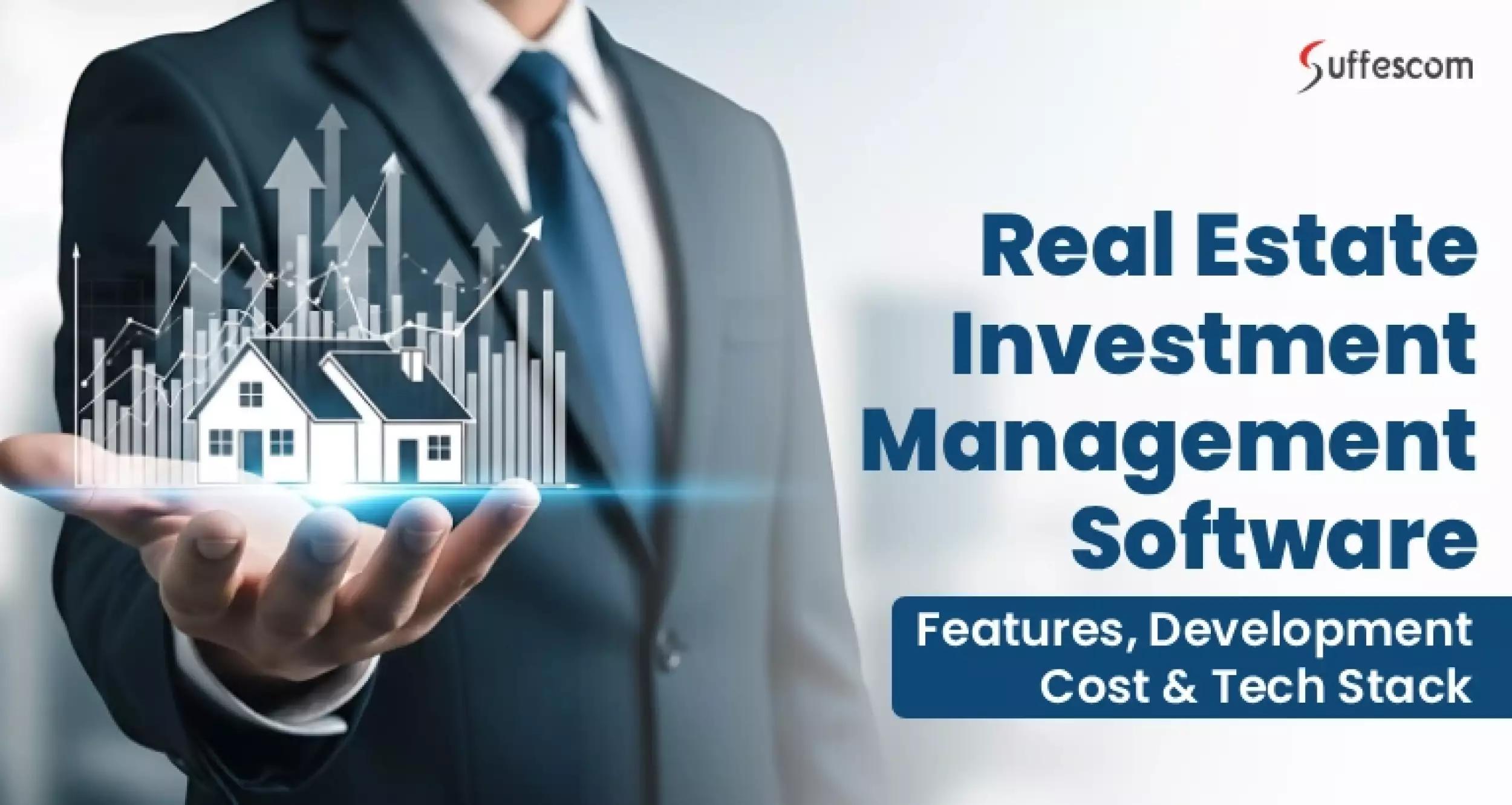
Managing real estate investments becomes increasingly complex as portfolios grow. Many real estate firms, investment companies, and property managers still rely on spreadsheets, manual reporting & disconnected systems to manage properties, investors, finances, as well as operations.
Over time, these outdated processes lead to reporting errors, poor visibility, delayed decisions, compliance risks, as well as inefficient investor management. In today's competitive market, investors want to invest in a system that provides:
- Real-time insights
- Transparent reporting
- Automated workflows
- Seamless digital experiences
This is where real estate investment management software development solutions come in.
By leveraging these advanced softwares, businesses can streamline their portfolio management, automate financial operations, improve investor communication, plus make smarter investment decisions through data-driven insights.
This guide sheds light on the development of real estate investment management software, including its features, development process, tech stack, benefits & costs.
So, stay tuned!
Simplify Complex Real Estate Portfolio Management with Custom Software Solutions!
Real Estate Investment Management Software: Streamline All Real Estate Operations Under One Roof
Real estate investment management software refers to a digital platform that helps investors, real estate firms, property managers, syndicators & fund managers to manage their real estate assets & financial operations efficiently.
The software helps to centralize:
- Property management
- Investment tracking
- Fund management
- Investor communication
- Accounting
- Reporting
- Analytics
- Compliance
- Capital raising
- Tenant management
- Cash flow tracking
Instead of using multiple disconnected tools, businesses can manage everything through a single unified system. Also, these systems are integrated with AI-powered analytics, automated workflows, investor portals, document management, payment automation, real-time dashboards, along with predictive forecasting.
Types of Real Estate Investment Management Software
The following are the major types of investment management software development solutions:
Residential Investment Management Platforms: These systems are primarily designed for rental property owners, residential investors, as well as apartment managers. The main workflow is aligned with:
- Rent collection
- Tenant management
- Maintenance tracking
Commercial Real Estate Platforms: Focus on lease abstraction, complex reporting, CAM reconciliation & asset valuation. These are mainly built for:
- Office buildings
- Retail centers
- Industrial properties
REIT Management Platforms: Built for real estate investment trusts that consist of:
- Shareholder management
- Regulatory reporting
- Dividend tracking
- Fund accounting
Real Estate Syndication Platforms: Used by syndicators & private equity firms for:
- Investor onboarding
- Capital raising
- Fund distributions
- Investor reporting
Top Reasons: Businesses Require Real Estate Investment Accounting Software Development Solutions
These days, every properly management business is excited to create investment management software for real estate to streamline investment operations. Explore why people are eagerly investing in these solutions:
Eliminate Spreadsheet Dependency
Earlier, businesses struggled to manage real estate data in spreadsheets for tracking investments, as well as financial performance, which creates:
- Data duplication
- Human errors
- Poor collaboration
- Delayed reporting
- Lack of scalability
The system eliminates all such issues through AI automation, along with centralized databases.
Improve Investment Decision-Making
Traditional systems often slow, misinform & complicate investment decision-making due to scattered data, manual reporting, plus limited real-time insights. By building investment management systems, businesses get:
- Real-time analytics
- Portfolio performance tracking
- Risk analysis
- Market forecasting
- Cash flow monitoring
As a result, businesses make more informed decisions.
Centralize Portfolio Management
Under the traditional system, businesses need to hire separate teams to manage properties across different locations. But a real estate investment software makes it easier with unified dashboards. It allows software users to monitor:
- Occupancy rates
- Rental income
- Asset valuation
- Maintenance costs
- ROI (Return on Investment)
- Investor returns
As a result, no need to hire teams or waste time & money, as you can see everything with a few clicks on the screen.
Enhance Investor Experience
Real estate investment portfolio management software enables faster communication & greater transparency. It comes with significant features:
- Investor portals
- Automated updates
- Digital onboarding
- Secure document access
- Real-time performance reports
This helps to improve the investor experience through self-service dashboards and automated onboarding.
Automate Financial Operations
AI automation helps to overcome manual work in:
- Accounting
- Tax reporting
- Fund distribution
- Payment processing
- Invoice generation
- Rent collection
This not only saves time but also smooths operational costs.
How to Create Investment Management Software for Real Estate: Step-by-Step Process
Look at how engineers turn your idea into a fully customized real estate investment management solution:
Market Research & Requirement Analysis
Experts perform market research to know the latest trends, including:
- Target audience
- Business goals
- User roles
- Platform type
- Required integrations
- Compliance requirements
- Competitor analysis is also essential.
Define Core Features
Evaluate the features to first launch MVP with basic functionalities:
- Dashboard
- Property management
- Investor portal
- Payment system
- Reporting
- Document management
UI/UX Design
Mainly focus on creating a powerful yet user-friendly investment management system to manage complex financial data. It consists of:
- Easy to navigate
- Mobile responsive
- Data-friendly
- Clean and professional
- Good UI improves user adoption.
Frontend Development
Frontend development focuses on:
- Dashboards
- Investor portals
- Analytics visualization
- Reporting interfaces
Backend Development
Developers build backend architecture that handles:
- Database operations
- APIs
- Security
- Business logic
- User authentication
Third-Party Integrations
Now, engineers make the software capable of easily integrating with any third-party APIs or systems:
| Third-party Systems | AI & Analytics Integration |
|
|
Security Implementation
Real estate software handles sensitive financial data, along with security measures such as:
- End-to-end encryption
- MFA (Multi-Factor Authentication)
- Secure APIs
- Regular security audits
- Compliance testing
Testing & Quality Assurance
Testing is performed to make sure:
- Platform stability
- Data accuracy
- Security
- Scalability
- Cross-device compatibility
Deployment & Maintenance
After launch, continuous updates are necessary for:
- Security patches
- Feature improvements
- Performance optimization
- Compliance updates
Tech Stack Behind the Real Estate Investment Management Software Development
The following are top-rated technologies used to develop an enterprise-grade real estate investment management platform:
| Technology Layer | Technologies Used | Purpose |
| Frontend Development |
|
|
| Backend Development |
|
|
| Mobile App Development |
|
|
| Database Management |
|
|
| Cloud Infrastructure |
|
|
| AI & Machine Learning |
|
|
| Business Intelligence & Analytics |
|
|
| Payment Gateway Integration |
|
|
| CRM Integration |
|
|
| Document Management |
|
|
| Security Technologies |
|
|
| Blockchain Technology |
|
|
| IoT Integration |
|
|
| API Development |
|
|
| DevOps & Deployment |
|
|
| Search & Data Indexing |
|
|
| Real-Time Communication |
|
|
| Geolocation & Maps |
|
|
| Accounting Integration |
|
|
| Data Visualization |
|
|
| AI Chatbots & Virtual Assistants |
|
|
| OCR & Document AI |
|
|
| Compliance & Audit Tools |
|
|
| Notification Services |
|
|
Core Features of Real Estate Investment Management Software
Explore the core capabilities required to build investment management systems for real estate:
Property Portfolio Management
- Manage residential, commercial & mixed-use properties
- Track property performance and occupancy
- Monitor asset valuation, along with ROI
Investor Management
- Investor onboarding & profile management
- Investment tracking
- Capital calls & distribution management
- Investor communication portal
Financial & Accounting Management
- Cash flow tracking
- Expense and revenue management
- Automated accounting
- Tax reporting
- Budget forecasting
Dashboard & Reporting
- Real-time analytics dashboard
- Portfolio performance reports
- Occupancy and rental reports
- Investment return tracking
Document Management
- Store contracts, leases & agreements
- Secure file sharing
- E-signature support
- Cloud-based document access
Tenant & Lease Management
- Lease tracking
- Rent collection
- Tenant communication
- Maintenance request management
Payment Integration
- Online rent payments
- Investor payouts
- ACH/bank transfer integration
- Invoice generation
CRM Integration
- Lead management
- Investor relationship management
- Broker communication
- Automated follow-ups
Security & Compliance
- Role-based access control
- Multi-factor authentication
- Data encryption
- Audit logs
- GDPR/financial compliance support
Advanced Features of Real Estate Investment Management Software
To keep the system robust & scalable, engineers integrate the following cutting-edge features while creating an investment management software for real estate:
| Feature Category | Key Capabilities |
| AI-Powered Investment Analytics |
|
| Business Intelligence & Advanced Analytics |
|
| Blockchain & Smart Contracts |
|
| IoT & Smart Building Integration |
|
| Automated Workflow Management |
|
| Investor Self-Service Portal |
|
| AI Chatbots & Virtual Assistants |
|
| Advanced Data Visualization |
|
| Third-Party Integrations |
|
| Multi-Property & Multi-Currency Management |
|
| Predictive Maintenance System |
|
| Advanced Access Management |
|
| Mobile App Support |
|
Powerful Innovations That Make Real Estate Investment Management Software Stand Out
Look at what makes the real estate investment management system capable of outperforming in the competition:
1. AI-Based Tenant Screening: AI helps to overcome the tenant-related risks by evaluating tenant profiles using:
- Credit behavior
- Rental history
- Background verification
- Fraud detection models
2. Smart Document Processing: AI-powered platforms automate document handling by:
- Extracting data from contracts
- Lease abstraction
- Invoice processing
- Compliance verification
- OCR-based document digitization
3. Automated Compliance Monitoring: An AI-based investment management system helps businesses stay compliant by automatically tracking:
- Regulatory updates
- Tax requirements
- Financial compliance
- Lease compliance
- Audit records
4. AI-Based Fraud Detection: Helps to overcome fraud by identifying:
- Suspicious financial activities
- Unusual transactions
- Security threats in real time
5. Personalized Investor Dashboards: Offers dashboard customization based on:
- Investor preferences
- Portfolio behavior
- Investment goals
6. Natural Language Reporting: Artificial intelligence-based real estate investment platforms help to:
- Analyze raw portfolio data
- Generate financial & investment reports
7. AI-Powered Deal Recommendation Engine: AI suggests high-potential investment opportunities based on:
- Investor behavior
- Budget
- Risk appetite
- Market performance
- Asset trends
8. Sentiment Analysis for Market Trends: To predict market sentiment, along with investment opportunities, AI analyzes:
- News
- Social media
- Market reports
- Economic signals
9. Voice-Enabled Property Management: AI voice assistants help users:
- Access reports
- Track investments
- Schedule maintenance
- Retrieve property information through voice commands
Industry-Specific Use Cases of Real Estate Investment Management System
Real Estate Investment Management Software is utilized across numerous sectors of the real estate industry to simplify operations, automate workflows, plus to enhance decision-making. Below are the major industry-specific use cases:
Residential Real Estate Firms
Use the platform to manage large portfolios of apartments, rental homes, condominiums, along with housing communities. The main tasks consist of:
- Rental income tracking
- Tenant management
- Lease management
- Maintenance scheduling
- Occupancy monitoring
- Automated rent collection
- Property performance analytics
As a result, it eliminates manual property management tasks by streamlining financial reporting & improving the tenant experience.
Real Estate Syndication Firms
A real estate management software development solution allows to manges pools of investments from multiple investors:
- Investor contribution tracking
- Distribution management
- Digital investor portals
- Investment performance reporting
- Compliance documentation
As a result, allowing businesses to simplify fundraising, better engage investors, and manage capital more quickly.
Real Estate Private Equity Firms
Use the platform to manage complex real estate investments, fundraising activities, as well as investor communications. Key use cases consist of:
- Capital raising management
- Investor onboarding
- Fund performance analysis
- Deal pipeline management
- Risk assessment
- Cash flow forecasting
As a result, helps with faster investment analysis, enhanced portfolio optimization, better deal management, along with improved investor relations.
Real Estate Investment Trusts (REITs)
Helps in handling large-scale real estate portfolios, shareholders & compliance operations. Below are the main tasks the system performs:
- Dividend distribution management
- Shareholder reporting
- Portfolio performance tracking
- Compliance monitoring
- Fund accounting
- Risk analysis
As an outcome, by investing in investment management systems for real estate, businesses maintain transparency, better financial management, along with automated reporting processes.
Property Management Companies
Automate daily operational activities across multiple properties, including:
- Rent collection
- Maintenance tracking
- Vendor management
- Tenant communication
- Property inspections
- Utility management
Overall, by investing in investment management portfolios, businesses reduce operational costs, maintenance response & tenant satisfaction through centralized property operations.
Commercial Real Estate Firms
Manage office buildings, retail centers, malls & business properties using centralized investment management platforms. The top use cases consist of:
- Commercial lease tracking
- Asset valuation management
- Investor reporting
- Financial forecasting
- Multi-property portfolio management
- Revenue tracking
As a result, property management businesses gain better portfolio visibility, improved asset utilization, greater operational efficiency, plus faster financial decision-making.
How Much Does It Cost to Build a Real Estate Investment Management Software?
To get real estate investment management software development cost insights, explore the following table:
| Development Component | Basic Real Estate Investment Platform ($15Kto$30K) | Mid-Level Real Estate Investment Platform ($25Kto$40K) | Advanced Real Estate Investment Platform ($40Kto$60K+) |
| Planning & Market Research | $1,000 to $2,000 | $2,000 to $3,500 | $4,000 to $6,000+ |
| UI/UX Design | $2,000 to $3,500 | $3,500 to $5,000 | $5,000 to $8,000+ |
| Frontend Development | $3,000 to $5,000 | $5,000 to $7,000 | $7,000 to $10,000+ |
| Backend Development | $3,500 to $6,000 | $6,000 to $8,000 | $8,000 to $12,000+ |
| User Authentication & Security | $1,000 to $2,000 | $2,000 to $3,500 | $3,500 to $6,000+ |
| Payment Gateway Integration | $800 to $1,500 | $1,500 to $2,500 | $2,500 to $4,000+ |
| Property & Portfolio Management Features | $2,000 to $4,000 | $4,000 to $6,000 | $6,000 to $10,000+ |
| Investor Management Portal | $1,500 to $3,000 | $3,000 to $5,000 | $5,000 to $8,000+ |
| Financial & Accounting Features | $1,500 to $3,000 | $3,000 to $5,000 | $5,000 to $8,000+ |
| Third-Party API Integrations | $1,000 to $2,000 | $2,000 to $4,000 | $4,000 to $7,000+ |
| AI & Analytics Features | Optional / $500 to $1,500 | $2,000 to $4,000 | $5,000 to $10,000+ |
| Compliance & Advanced Security Features | $1,000 to $2,000 | $2,000 to $4,000 | $4,000 to $8,000+ |
| Dashboard & Reporting Module | $1,500 to $2,500 | $2,500 to $4,000 | $4,000 to $7,000+ |
| Cloud Infrastructure & DevOps | $1,000 to $2,000 | $2,000 to $3,500 | $3,500 to $6,000+ |
| QA Testing & Deployment | $1,500 to $2,500 | $2,500 to $4,000 | $4,000 to $6,000+ |
| Maintenance & Support | $1,500 to $3,000/year | $3,000 to $6,000/year | $6,000 to $12,000+/year |
Emerging Trends in Real Estate Investment Software
The real estate investment industry is rapidly evolving with the adoption of advanced technologies. These emerging trends are helping businesses automate processes & gain deeper insights into property market performance:
1. AI-Powered Investment Analysis: AI is transforming:
- Property valuation
- Market forecasting
- Risk analysis
- Automated underwriting
2. Blockchain in Real Estate: Blockchain allows:
- Smart contracts
- Tokenized real estate
- Secure transactions
- Transparent ownership records
3. IoT Integration: Smart buildings generate valuable operational data. IoT integration helps track:
- Energy usage
- Occupancy
- Maintenance needs
4. Predictive Analytics: Predictive systems help businesses forecast:
- Rental demand
- Property appreciation
- Vacancy risks
- Market shifts
Why Suffescom is the Right Choice for Real Estate Investment Management Software Development?
As a reliable investment software development company, our team of experts delivers secure, scalable & future-ready real estate investment management solutions tailored to modern business needs. Look at what makes us stand out:
- Investment-Focused Software Expertise: We have delivered 100+ successful projects in the same niche, thus have keen experience in building real estate investment operations, portfolio management, investor reporting & financial tracking.
- Scalable & Future-Ready Solutions: Built to handle growing property portfolios, investor data, and expanding business operations smoothly.
- AI-Powered Real Estate Intelligence: Our experts integrate AI features such as predictive analytics, smart forecasting, automated reporting, along with investment insights for smarter decision-making.
- Advanced Investor Experience: Create secure investor portals with real-time dashboards, transparent reporting & seamless communication tools to smooth business operations.
- Enterprise-Level Security: Keep the system fraud-free, with integrated strong data protection, role-based access, encrypted transactions, and compliance-focused architecture.
- End-to-End Development Support: From strategy & development to deployment & maintenance, we provide complete support throughout your software journey.
Develop Intelligent Real Estate Investment Software Tailored to Your Business!
Frequently Asked Questions
What are the core features of Real Estate Investment Management Software?
Explore the following core features that every real estate investment platform needs:
- Property portfolio management
- Investor management
- Financial reporting
- Lease tracking
- Dashboard analytics
- Payment processing
- Document management
- Security & compliance
How much does it cost to develop Real Estate Investment Management Software?
The cost to develop a real estate investment management system lies between:
| Different Development Levels | Real Estate Investment Management Cost |
| Basic Level | $15,000 to $30,000 |
| Middle Level | $25,000 to $40,000 |
| Advanced Level | $40,000 to $60,000+ |
However, the above table provides a general cost estimate, as these ranges may fluctuate depending on your requirements.
How long does it take to build a Real Estate Investment Management platform?
The timeline may fluctuate as per the project requirements and scope. A general development process may take:
- A basic MVP system: 3 to 5 months
- A Middle-level platform: 6 to 8+ months
- An enterprise-grade or advanced platform: 9 to 18+ months
Can AI be integrated into Real Estate Investment Management Software?
Of course! AI can be integrated into real estate investment management software for:
- Predictive analytics
- Investment forecasting
- Smart reporting
- Risk assessment
- Automated recommendations
- Fraud detection
What are the benefits of AI in Real Estate Investment Software?
AI helps businesses to improve:
- Investment decisions
- Portfolio forecasting
- Risk analysis
- Operational automation
- Market intelligence
- Financial insights
What is the difference between Property Management Software & Investment Management Software?
| Property management software | Investment management software |
Focuses on:
| Focuses on:
|
How does Real Estate Investment Software improve investor experience?
The software provides:
- Real-time dashboards
- Automated reporting
- Secure investor portals
- Faster communication
- Transparent investment tracking
What are the biggest challenges in developing Real Estate Investment Software?
Building a real estate investment management software is a complex task; thus, engineers confront the following challenges during the development process:
- Managing complex financial data
- Security implementation
- Regulatory compliance
- Scalability
- Third-party integrations
- Real-time analytics
Can blockchain be integrated into Real Estate Investment platforms?
Absolutely!
Yes, blockchain integration with real estate investment platforms supports:
- Smart contracts
- Secure transactions
- Tokenized real estate investments
- Transparent ownership records
How do I choose Suffescom for Real Estate Investment Software development?
We have 13+ years of experience in delivering robust & feature-rich investment management platforms. Our team of expert developers specializes in developing custom solutions tailored to the unique needs of real estate investors, property management firms, REITs, brokers, as well as enterprises. This makes us the top choice for real estate investment software development.